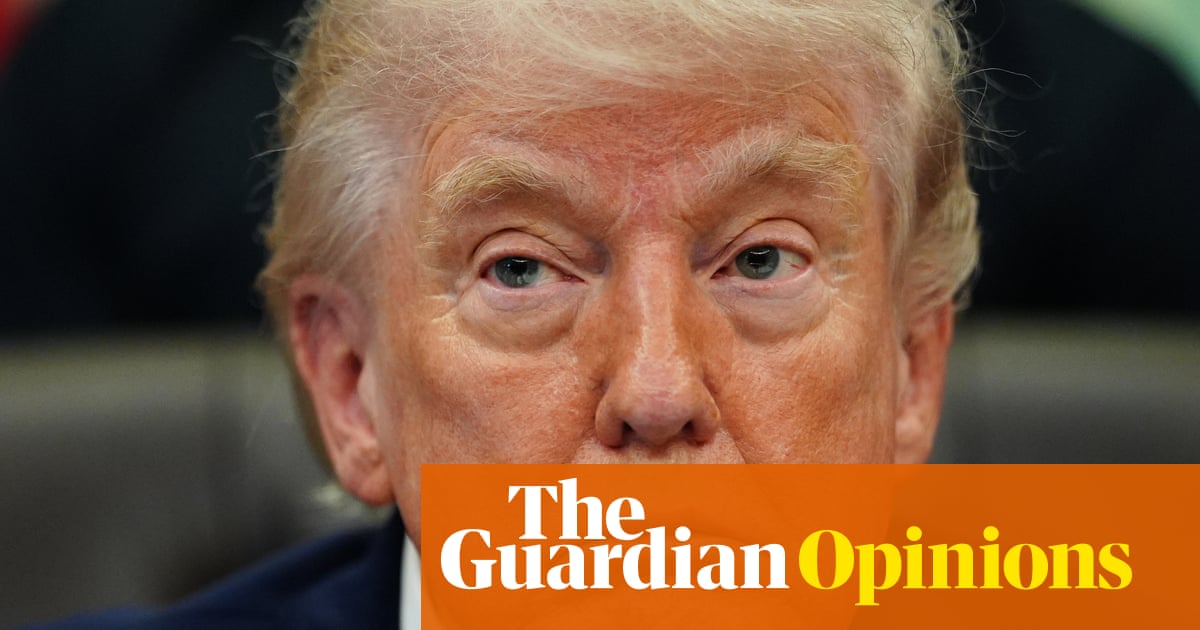
Trump’s approval rating has fallen to 37%, down from 42% in December, according to an NBC News poll, while roughly two-thirds of Americans say the country is on the wrong path. The article argues his policies are weighing on growth, jobs and inflation, and notes recent Democratic special-election overperformance, Maga infighting over Iran, and weakening Trump influence abroad. The piece is political commentary rather than market-moving news, so broader market impact is limited.
The market implication is not the poll itself; it is the increased probability of a more erratic, punitive policy mix as political legitimacy erodes. When a populist executive feels boxed in, the next move is usually not moderation but escalation: heavier tariff threats, more pressure on the Fed, and more visible foreign-policy brinkmanship to reassert dominance. That shifts the distribution of outcomes toward higher volatility in rates, FX, and equity factor leadership, even if headline equity indices remain resilient for a while.
The near-term winner is political-volatility hedging: long-duration Treasuries on growth fear, gold as a tail hedge, and defensive quality over cyclicals. The more subtle loser is small- and mid-cap domestic cyclicals, which are most exposed to tariff pass-through, labor uncertainty, and consumer confidence deterioration. If the administration leans harder into trade confrontation to offset domestic weakness, the second-order effect is margin compression for import-heavy retailers, industrial distributors, and autos, with delayed but persistent pressure over the next 1-3 quarters.
The bigger contrarian point is that bad approval can be market-positive in the very short run if it constrains policy ambition. But that comfort is fragile: a leader who is losing narrative control often overcorrects with shock policies that reprice risk quickly. The tradeable regime is not “Trump weak equals risk-on”; it is “Trump weak equals more tail risk,” especially around tariff headlines, sanctions escalation, and Fed independence rhetoric.
Consensus may be underpricing how fast sentiment can move from complacency to policy shock. The cleanest setup is to fade economically sensitive beta on rallies while keeping upside optionality in volatility and havens. Timing matters: the highest edge is in the days around new policy messaging, not on the polling data itself.
AI-powered research, real-time alerts, and portfolio analytics for institutional investors.
Request TrialOverall Sentiment
mildly negative
Sentiment Score
-0.35
