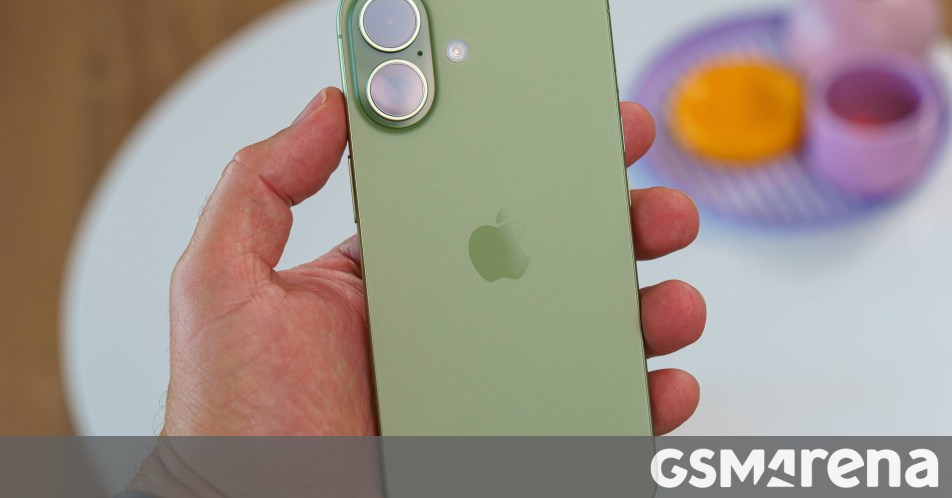
Apple’s upcoming iPhone 18 is rumored to ship with 12GB of RAM, up from 8GB on the iPhone 17, to support new on-device Siri AI features and improved dictation. The company may absorb higher RAM costs, potentially allowing the iPhone 18 to launch at the same $799 US price as the prior model. The news is supportive for Apple’s AI positioning, but it is still rumor-based and likely to have limited immediate market impact.
This is less about one phone cycle and more about Apple extending the moat around on-device AI. If 12GB becomes the floor for the premium experience, Apple is effectively turning memory into a feature gate, which widens the gap between older installed base devices and the newest hardware upgrade path. That should support a longer replacement cycle for existing iPhone users who want the AI upgrades, while also giving Apple leverage to defend average selling prices without obvious sticker shock.
The second-order winner is the memory supply chain, not just Apple. Higher DRAM content per device raises Apple’s strategic dependence on a tight component market, which can lift pricing power for DRAM leaders even if unit handset growth is flat. If Apple absorbs the cost increase, the market may initially underwrite margin compression risk, but the more important dynamic is that competitors without Apple’s ecosystem lock-in may struggle to match the same AI feature set at comparable price points.
The near-term risk is that this is a rumor with a long lead time, so the trade is likely to work on narrative and supply-chain read-throughs before it works on fundamentals. If iOS feature parity is delayed, or if Apple chooses to segment AI features more aggressively across the lineup, the market could re-rate this as incremental rather than structural. The more durable catalyst is the spring 2027 refresh cycle, which creates a multi-quarter window for investors to position around memory pricing, handset mix, and upgrade-driven demand.
The contrarian view is that the market may be overestimating the incremental uplift to Apple itself and underestimating who captures the economics. Apple can preserve customer satisfaction and ecosystem stickiness, but the gross profit pool on the RAM upgrade is likely to accrue upstream to suppliers rather than materially expanding Apple’s earnings. The cleaner expression is therefore a relative-value trade on components and Android OEM pressure, not a blind long AAPL at any price.
AI-powered research, real-time alerts, and portfolio analytics for institutional investors.
Request DemoOverall Sentiment
mildly positive
Sentiment Score
0.25
Ticker Sentiment
