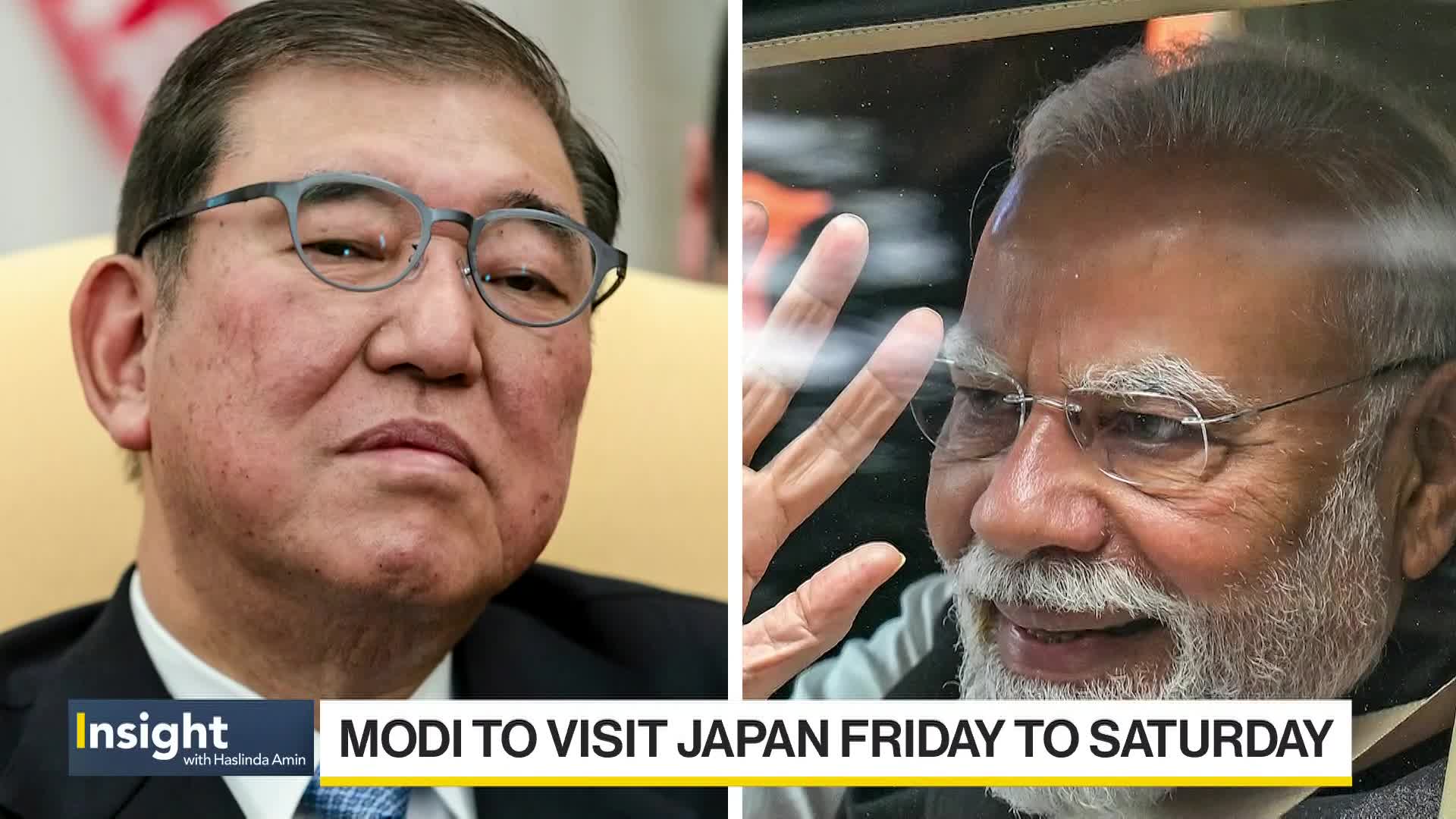
A Bloomberg report indicates Chinese President Xi Jinping initiated quiet outreach to India in March, a strategic move that has reportedly revived bilateral ties. This engagement occurred amidst escalating US trade tensions under President Trump, suggesting a potential geopolitical realignment and economic recalibration in Asia.
According to a Bloomberg report citing a single source, Chinese President Xi Jinping initiated a quiet diplomatic outreach to India in March, a period marked by escalating trade tensions between the U.S. and China under the Trump administration. This strategic engagement has reportedly led to a revival in bilateral ties between the two Asian economic powers. The timing suggests a potential geopolitical recalibration, where China is actively seeking to strengthen regional alliances to counteract pressure from the U.S. While the reported market impact is low, this development signals a potential long-term shift in Asian trade and supply chain dynamics, as a closer China-India relationship could alter regional economic dependencies and create a more unified Asian economic bloc.
AI-powered research, real-time alerts, and portfolio analytics for institutional investors.
Request DemoOverall Sentiment
moderately positive
Sentiment Score
0.40
