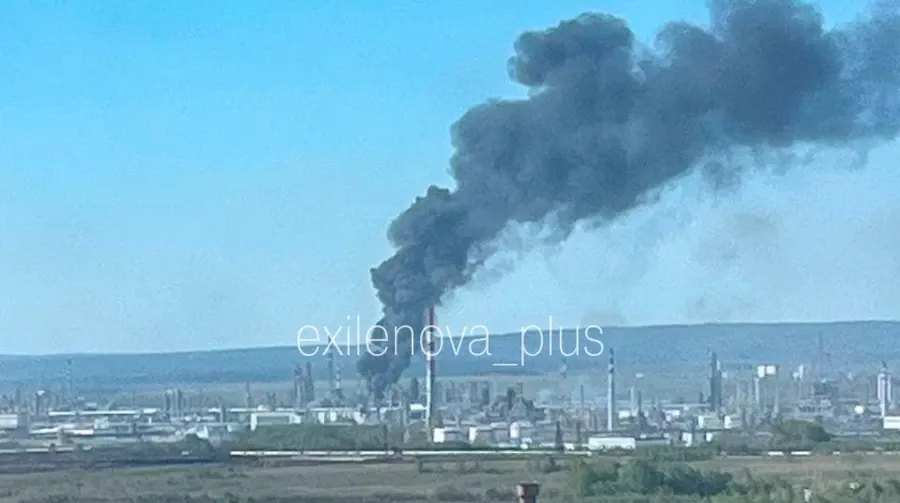
Ukrainian drones struck the Lukoil-Permnefteorgsintez refinery and a Transneft oil pumping station in Perm for the third time in two weeks, with the refinery located more than 1,500 kilometers from the Ukrainian border. The SBU said a fire broke out at a crude processing unit and that an oil reservoir at the pumping station was hit, underscoring continued pressure on Russia's oil processing and transport network. The attacks add to supply-chain and logistics risks for Russian energy infrastructure, though the immediate market impact remains limited by unverified damage reports.
The market implication is less about headline damage and more about cumulative fragility in Russia’s inland fuel system. Repeated strikes on deep-node refining and pumping assets force an inefficient re-routing problem: even when crude keeps flowing, product availability tightens regionally, inventories become more “sticky,” and the system loses optionality to balance shocks. That tends to show up first in higher domestic trucking, rail, and military logistics costs before it shows up in export data.
The second-order effect is a widening split between crude and refined products. If Russian refinery utilization is intermittently disrupted, Moscow has an incentive to prioritize crude exports over domestic runs, which can pressure global crude less than people expect while supporting diesel/jet cracks in Europe and the Mediterranean. The real beneficiary is not just upstream producers globally; it is also non-Russian refiners with access to stable feedstock and logistics, because product margins can expand even if Brent is rangebound.
Risk-wise, the key catalyst window is days to weeks: repair cycles, air-defense redeployment, and whether the pattern persists into multiple sites rather than one-off strikes. Over months, the more important variable is whether Russia is forced into defensive capex and redundant logistics, which is economically inefficient and compounds wartime strain. The contrarian view is that the market may overestimate immediate crude supply loss and underprice the more durable effect on refined-product tightness and freight/insurance premia; if attacks continue, the trade is cleaner via product margin beneficiaries than by chasing outright oil beta.
AI-powered research, real-time alerts, and portfolio analytics for institutional investors.
Request DemoOverall Sentiment
moderately negative
Sentiment Score
-0.40
