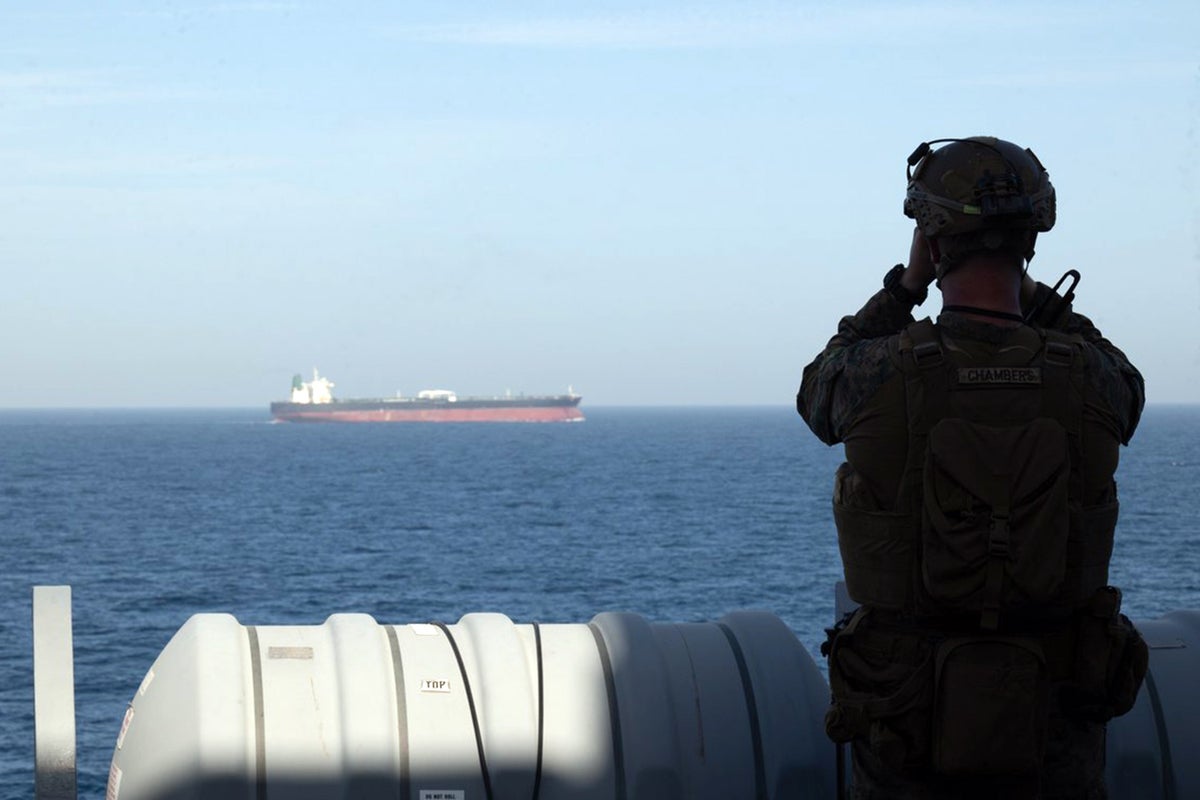
Shipping through the Strait of Hormuz has been sharply disrupted, with only three vessels passing in one 24-hour period and the route previously handling about one-fifth of global oil and LNG supply. The article highlights multiple bypass options, including Saudi Arabia’s 1,200-km East-West pipeline (up to 7 million bpd, with effective exports around 4.5 million bpd) and the UAE’s 1.5-1.8 million bpd Habshan-Fujairah line, but most alternatives are constrained by capacity, security, or project risk. The situation raises significant supply-risk premiums for oil and gas markets.
The market is underestimating how much of the Gulf’s export system is structurally redundant on paper but fragile in practice. The true bottleneck is not crude-in-the-ground; it is export sequencing, berth availability, insurance, and the ability to move barrels without clustering them into a few vulnerable nodes. That means the first-order shortage may remain contained, while the second-order winners are logistics assets and non-Hormuz routes with spare capacity and physical flexibility.
Saudi and UAE bypasses create asymmetric optionality for regional flows, but the benefits are uneven: countries with pipeline-to-Red-Sea or Gulf-of-Oman access can keep monetizing barrels, while Iraq and Iran remain most exposed to any escalation because their evacuation routes are either incomplete, politically constrained, or vulnerable to sabotage. The more important knock-on is that every incremental barrel pushed onto non-Hormuz routes raises congestion and security premia elsewhere, especially the Red Sea and Mediterranean legs. In other words, rerouting does not eliminate risk; it redistributes it to chokepoints with thinner naval coverage and more fragmented jurisdiction.
Near term, the key catalyst is not a permanent closure but intermittent disruption that forces charterers and refiners to pay up for optionality. That is bullish for tanker dayrates, marine insurance, and port/terminal throughput outside the Gulf, while being mildly bearish for refiners that depend on Gulf sour crude continuity. Over months, a sustained disruption would likely flatten Brent prompt backwardation into a more extreme structure, favoring storage and shipping over outright commodity exposure.
Contrarian view: the headline risk premium may be larger than the physical loss of barrels, because spare capacity outside Hormuz is enough to keep a significant share of exports moving. If diplomacy de-escalates, risk premium can compress faster than inventories can rebuild, so outright long oil is less attractive than expressions tied to logistics dislocation and volatility. The better trade is to own the bottlenecks, not the molecule.
AI-powered research, real-time alerts, and portfolio analytics for institutional investors.
Request DemoOverall Sentiment
moderately negative
Sentiment Score
-0.35
