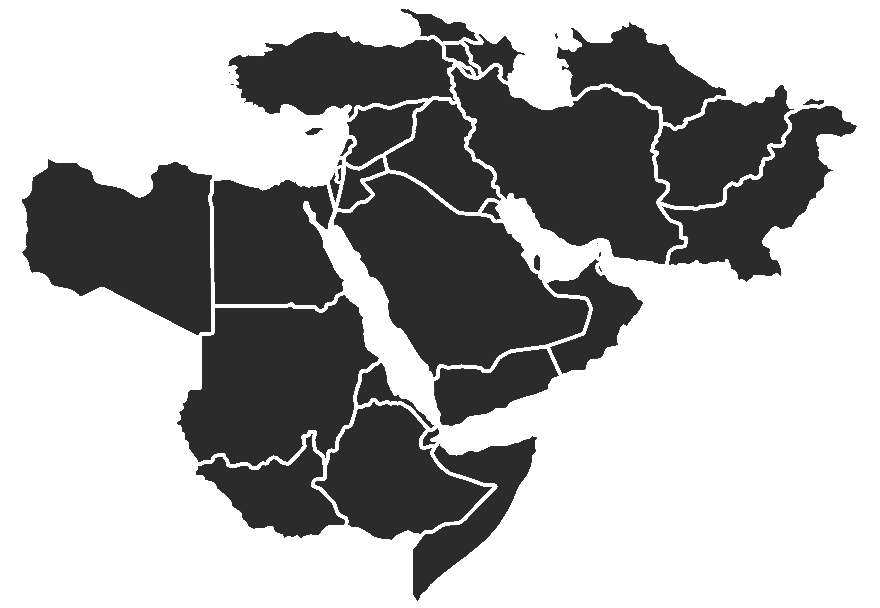
US-Iran talks remain stalled over nuclear concessions and sanctions relief, while Iran reportedly demanded immediate release of frozen assets and continues to block normal access through the Strait of Hormuz. The article also reports renewed force by Iran in the strait, including an attempted mine deployment and a separate strike in the Sea of Oman, heightening shipping and energy-risk concerns. Separately, Israel has stepped up strikes and ground operations against Hezbollah in Lebanon, with more than 270 strikes reported over May 24-26.
The market is still underpricing the asymmetry between diplomatic rhetoric and operational reality. Even if talks continue, the sequencing matters: any premature economic relief would function like vendor financing for Iranian rearmament, extending the period in which maritime and regional risk premiums stay sticky rather than collapsing. That creates a higher-for-longer floor for defense, insurance, and select energy volatility, while punishing assets that are mechanically sensitive to uninterrupted Gulf transit or Middle East risk normalization.
The more important second-order effect is that the Strait of Hormuz is becoming a bargaining chip with kinetic credibility, not a symbolic threat. If Iran can intermittently degrade the recognized shipping lane without fully closing the waterway, the market may see chronic near-term disruption without the kind of shock that triggers a decisive military response. That is bearish for shippers with exposure to Persian Gulf routing, but also bullish for alternative corridors and for any producer whose barrels can be re-routed into tighter Atlantic Basin pricing.
Lebanon adds a separate escalation vector with faster feedback into equities. Broader Israeli operations against Hezbollah increase the odds of accidental overreach into Beirut or deeper proxy retaliation, which would widen the dispersion between headline risk and actual supply loss; that favors options structures over outright directional longs. The contrarian read is that the ceasefire framework may still survive tactically, but only by absorbing repeated violations, meaning the equity market could be prematurely extrapolating a return to normal while the geopolitical volatility regime is actually becoming more entrenched.
The domestic Iranian internet rollback is a tell that regime stress is rising, but it is not yet a liberalization signal; it is more likely a tactical concession to preserve control while buying negotiating space. If sanctions relief is delayed, the regime’s internal cash pressure could force more external adventurism rather than less, especially if leadership believes external escalation helps suppress domestic protest momentum. That means the next 2-6 weeks are the key risk window, with the most likely surprise being not a clean deal or clean failure, but a messy halfway outcome that keeps risk assets from de-rating fully while preventing a true relief rally.
AI-powered research, real-time alerts, and portfolio analytics for institutional investors.
Request DemoOverall Sentiment
strongly negative
Sentiment Score
-0.55
