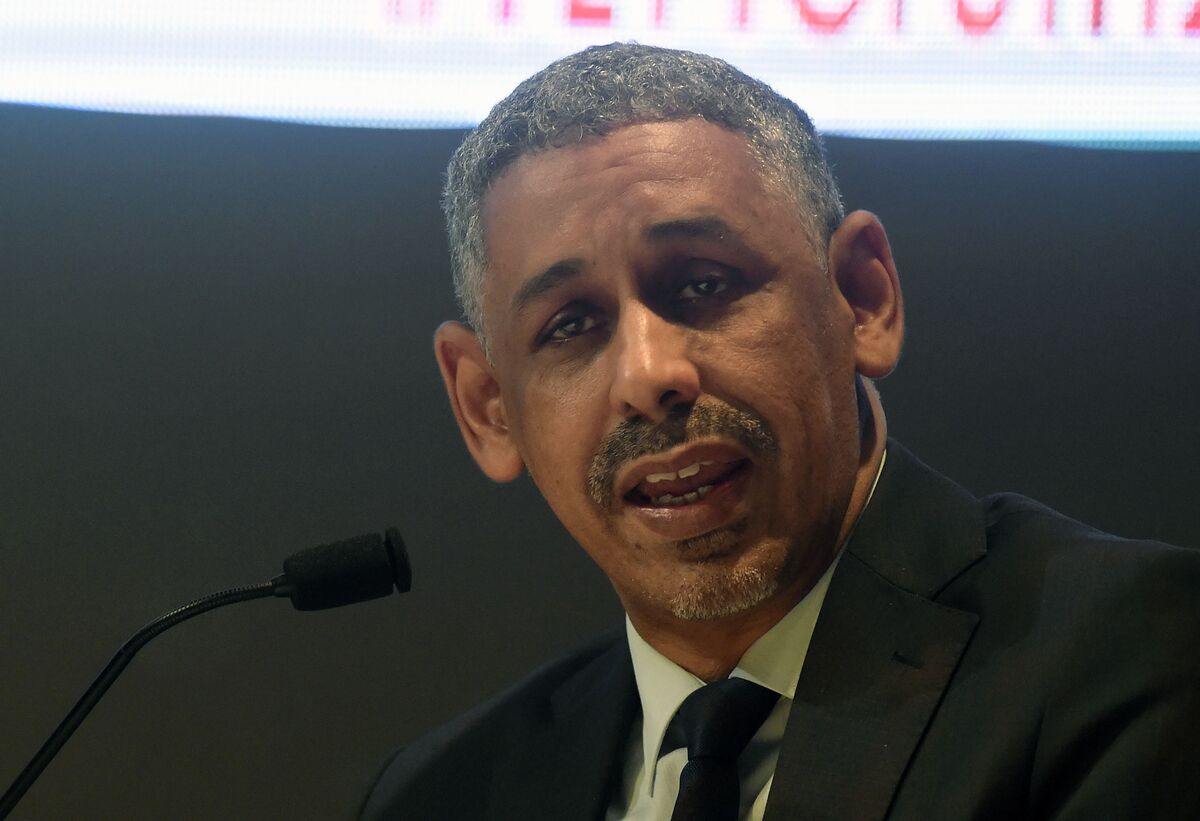
Sidi Ould Tah, former Mauritanian finance minister, has been elected as the new president of the African Development Bank (AfDB). Tah secured 76.2% of the vote in the third round, surpassing four other candidates at the AfDB's board of governors meeting in Abidjan, Ivory Coast. This appointment places a seasoned financial leader at the head of a critical multilateral institution for African development.
Sidi Ould Tah, a former Mauritanian finance minister, has been elected as the new president of the African Development Bank (AfDB) with a decisive 76.2% of the vote in the third round. This appointment places an experienced public finance figure at the helm of one of Africa's most significant multilateral development institutions. While the immediate market impact score is low at 0.1 and the general sentiment is neutral, this change in leadership is a critical governance event, particularly relevant to the themes of "Emerging Markets" and "Management & Governance." The focus will now be on how Tah's presidency might shape the AfDB's strategic direction, operational priorities, and its role in fostering economic development and investment across the African continent.
AI-powered research, real-time alerts, and portfolio analytics for institutional investors.
Request DemoOverall Sentiment
neutral
Sentiment Score
0.00
