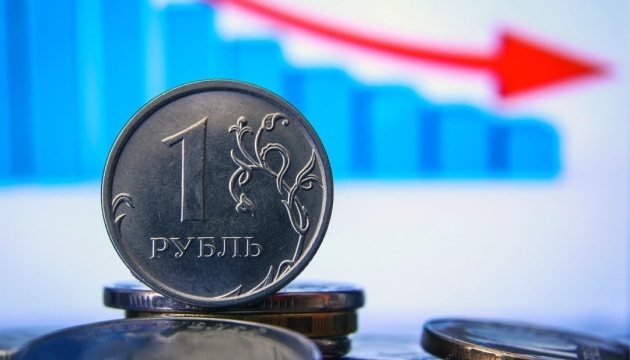
Russia's largest companies are entering 2026 under severe stress: 75% reported revenue/profit declines or losses, and 53% flagged cash-flow gaps, with 27% saying this is a new reality. Dividend cuts are widespread across Gazprom, Rusal, Alrosa, NLMK, MMK and others, while some firms are posting major losses, layoffs, or near-bankruptcy conditions. The article also says Russia's war spending in 2026 will exceed budget by at least RUB 2 trillion ($28 billion), adding further pressure to corporate and fiscal stability.
This reads like a late-cycle balance-sheet squeeze, not a broad “recession” in the conventional sense: weak cash generation is colliding with a state-directed funding regime that prioritizes war outlays over corporate capital formation. The first-order winners are the state and defense-adjacent contractors; the second-order winners are creditors with implicit political support, while equity holders are being subordinated through dividend suspension, capex deferral, and eventual restructuring. In other words, the market signal is not just falling profits — it is a regime shift from shareholder returns to survival liquidity.
The most important second-order effect is that supply contraction will likely be delayed, not avoided. In heavy industry, metals, chemicals, retail, and property, management will initially protect payroll and maintain volume, which means margin collapse can persist for several quarters before explicit asset sales, covenant breaches, or forced consolidation show up. That creates a trap for any mean-reversion thesis: the pain may not appear as immediate bankruptcy headlines, but as persistent underinvestment that degrades output quality, service levels, and competitive positioning versus foreign or gray-market substitutes over 6-18 months.
For outside investors, the key tradable implication is that Russian domestic demand proxies and leveraged consumer/real-estate exposures should continue to underperform as refinancing windows close and household purchasing power deteriorates. The cleaner short is not the headline losers already impaired, but downstream enablers that depend on transaction velocity: banks with retail book concentration, consumer platforms, logistics, and construction materials. Conversely, any commodity producer with export optionality and non-Russia revenue exposure becomes a relative winner because local weakness may force asset sales and dump pricing inside the domestic market even as global pricing remains supported.
The contrarian risk is that this distress becomes self-limiting sooner than expected if the state steps in with directed credit, tax relief, or quasi-fiscal transfers to key employers. That would not restore equity value, but it could delay insolvency and trigger violent short squeezes in names priced for imminent default. The better timing framework is months, not days: the next catalyst is likely year-end 2026 refinancing and budget execution, while a near-term positive surprise would be any policy move that explicitly ring-fences strategic enterprises from cash extraction.
AI-powered research, real-time alerts, and portfolio analytics for institutional investors.
Request TrialOverall Sentiment
extremely negative
Sentiment Score
-0.86
