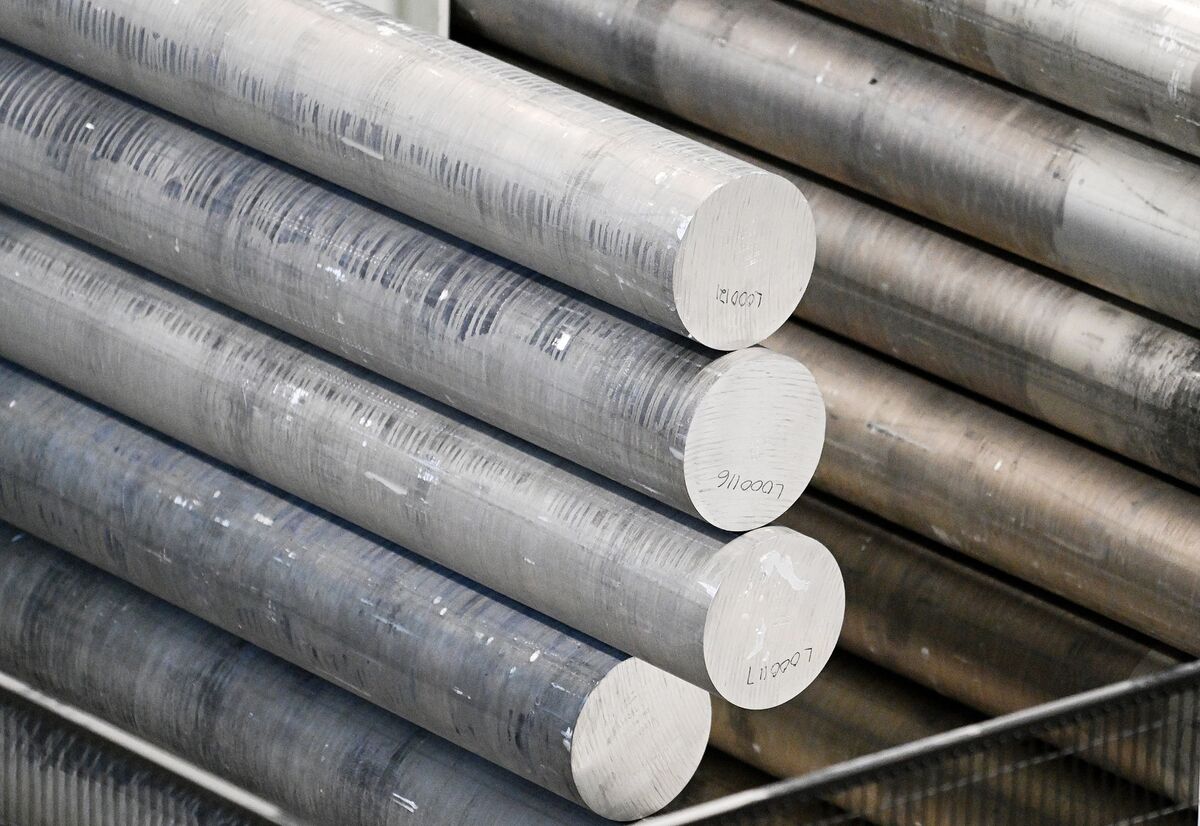
Century Aluminum has begun production from its South Carolina smelter expansion, which is expected to raise total U.S. primary aluminum output by about 10% by the end of June. The Mt. Holly project also created more than 125 jobs, underscoring a tangible capacity and employment boost. The news is positive for Century Aluminum and the domestic aluminum supply picture, though the broader market impact should be limited.
This is less about one smelter and more about whether North American primary aluminum is finally moving from chronic constraint to a slightly less fragile market structure. A 10% step-up in U.S. output is small in absolute terms, but in a market where domestic supply has been structurally thin, even marginal incremental ounces can matter because they reduce the scarcity premium embedded in Midwest physical differentials and in downstream contract negotiations. The second-order beneficiary is not just the producer, but also fabricators and industrial buyers that have been forced to pay up for local supply reliability.
For CENX, the key issue is not headline volume, but operating leverage: a successful ramp can translate into disproportionately better unit economics if power reliability and maintenance capex stay contained. That said, aluminum is still a power market in disguise, so the real risk is that incremental output gets partially offset by higher energy costs or unfavorable hedging resets over the next 1-3 quarters. If the ramp proves smooth, the market may start to value the asset as a durable domestic supply option rather than a one-off project, which would matter more than the near-term tonnage.
Competitively, this pressures import-dependent supply chains and any producer that has been selling into a tight domestic market at elevated spreads. The contrarian view is that the market may be underestimating how quickly a modest increase in U.S. output can compress local premiums if demand is softening at the same time; in that scenario, the benefit to CENX could be muted even as the broader industry feels margin pressure. The most important catalyst is not today’s announcement, but whether the company can maintain full-rate production through the summer without operational disruptions; that will determine whether this is a temporary optics win or the start of a re-rating over the next 6-12 months.
AI-powered research, real-time alerts, and portfolio analytics for institutional investors.
Request DemoOverall Sentiment
moderately positive
Sentiment Score
0.45
Ticker Sentiment
