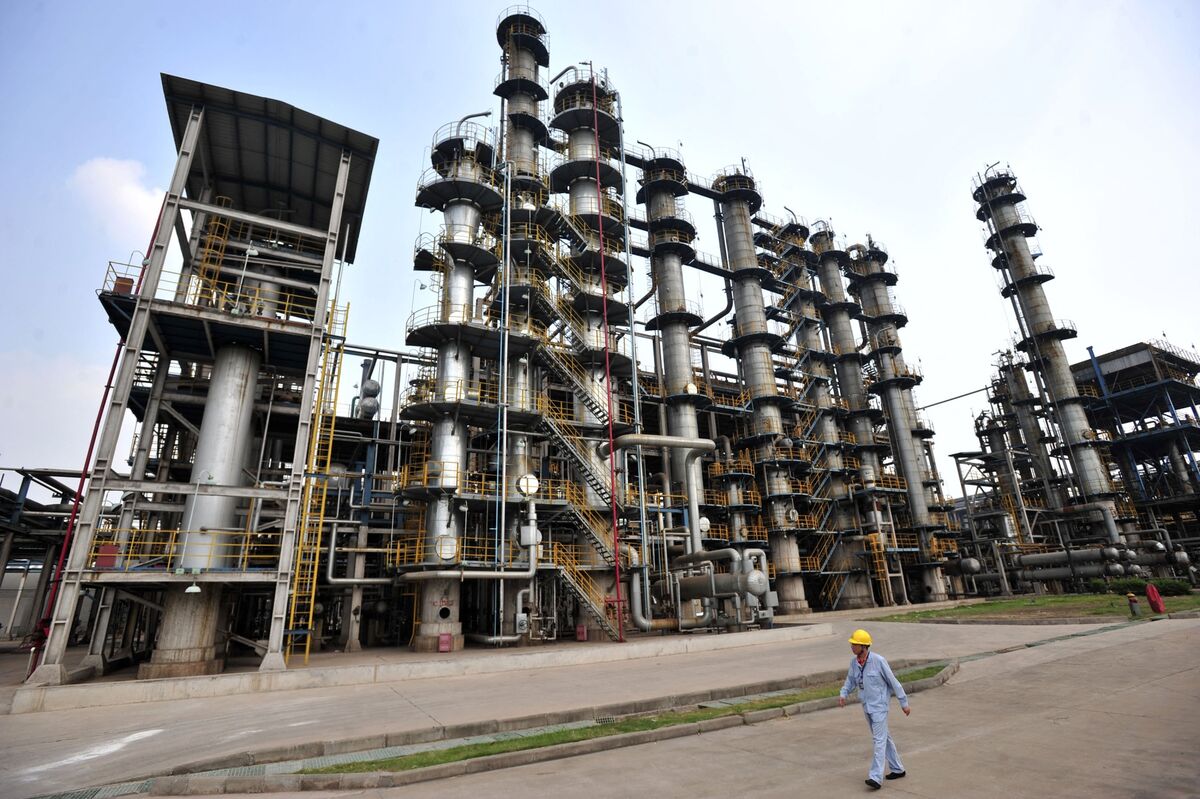
The US warned Chinese independent refiners, particularly in Shandong province, that importing and processing Iranian oil could trigger sanctions and blacklisting. The move increases economic pressure on Tehran and raises the risk of tension with Beijing ahead of an expected leaders' summit. The headline is significant for oil markets and Chinese refining activity, with potential spillovers for Iranian crude flows and broader geopolitical risk sentiment.
This is less about immediate barrels and more about changing the financing cost of sanctioned crude. The first-order effect is a wider discount on Iranian supply, but the second-order effect is tighter credit and trade finance for the entire small-refiner complex in China, which should compress crude procurement flexibility and raise working-capital needs across weaker independent processors. That typically bleeds into lower runs, lower spot buying urgency, and a more fragmented product export chain rather than an abrupt demand shock.
The biggest near-term winners are compliant crude streams and any refiners with cleaner import books: Middle East grades, US Gulf exporters, and larger Chinese state-linked refiners that can absorb compliance scrutiny better than independents. If enforcement escalates, the market should expect a temporary reallocation of seaborne flows, with Iranian barrels forced into even steeper discounts and more opaque shipping/insurance structures, which raises transaction costs and narrows realized margins for intermediaries. Energy prices may not rally on headline risk alone; the more durable effect is a mild support to non-sanctioned light-sweet differentials and tanker/insurance friction, not necessarily outright Brent strength.
The key risk is that this remains mostly rhetorical unless OFAC follows with named designations. If enforcement is selective, the market may fade the signal within days, but if a few refiners or banks are blacklisted, the reaction can persist for months because counterparties de-risk preemptively. The contrarian angle is that Beijing may use this as leverage in negotiations, so the summit risk cuts both ways: the policy may be used as a bargaining chip rather than a permanent tightening, making any front-end energy move vulnerable to a diplomatic thaw.
AI-powered research, real-time alerts, and portfolio analytics for institutional investors.
Request DemoOverall Sentiment
moderately negative
Sentiment Score
-0.45
