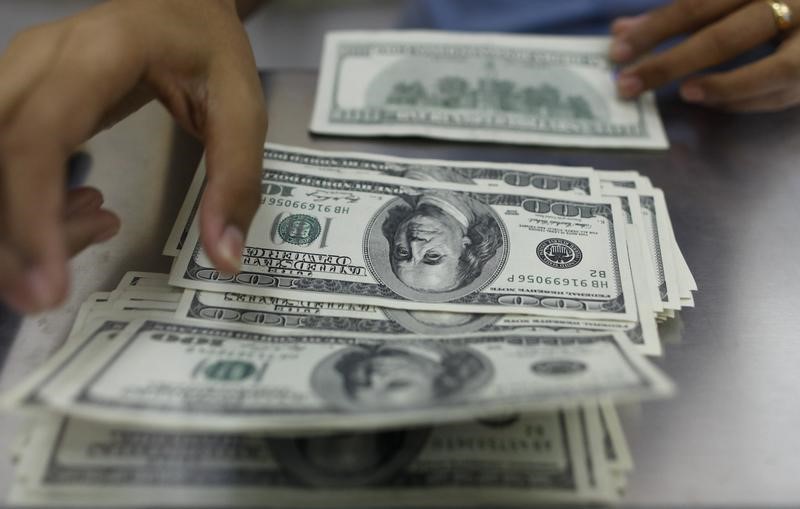
Goldman Sachs said the Canadian dollar remains resilient for now, but softer domestic data, below-expectation March inflation, and weak employment growth point to a Bank of Canada hold at the April meeting. The firm is less constructive on CAD over the medium term, citing USMCA uncertainty ahead of the July 1 deadline, though near-term performance is still tied to oil prices and broad dollar moves. The view is mildly negative for CAD, but the article is primarily analyst commentary rather than a market-moving catalyst.
The market implication is less about the vessel itself and more about the premium it can add back into energy and shipping risk pricing. Even isolated interdictions can widen the perceived probability of broader Iran-related disruption, which tends to steepen the front-end of crude volatility, support tanker insurance rates, and tighten sentiment around routes that are already priced for normalcy. That means the first-order winners are not only upstream energy names, but also marine insurers, defense-linked suppliers, and select tankers if the market starts pricing a higher “incident frequency” regime rather than a one-off event.
Second-order effects are asymmetric for currencies and rates-sensitive markets. If traders lean into a higher geopolitical risk premium, CAD can lag despite oil support because the move shifts from “energy beta” to “risk-off beta,” which usually helps USD and JPY more than commodity FX. That matters because any oil pop driven by geopolitics can be less helpful to Canada than an equivalent move driven by demand, since higher volatility and weaker global risk sentiment can offset the commodity benefit.
The key contrarian point is that these events often generate a sharp but short-lived headline bid unless they become a pattern. The real catalyst to watch over the next 1-3 weeks is whether this turns into a shipping-insurance repricing and whether nearby crude spreads respond; if not, the market will fade the move quickly. If incidents cluster, however, energy equities with low geopolitical discounting can rerate faster than the commodity itself because cash flows improve while implied policy risk is still underpriced.
AI-powered research, real-time alerts, and portfolio analytics for institutional investors.
Overall Sentiment
mildly negative
Sentiment Score
-0.15
Ticker Sentiment
