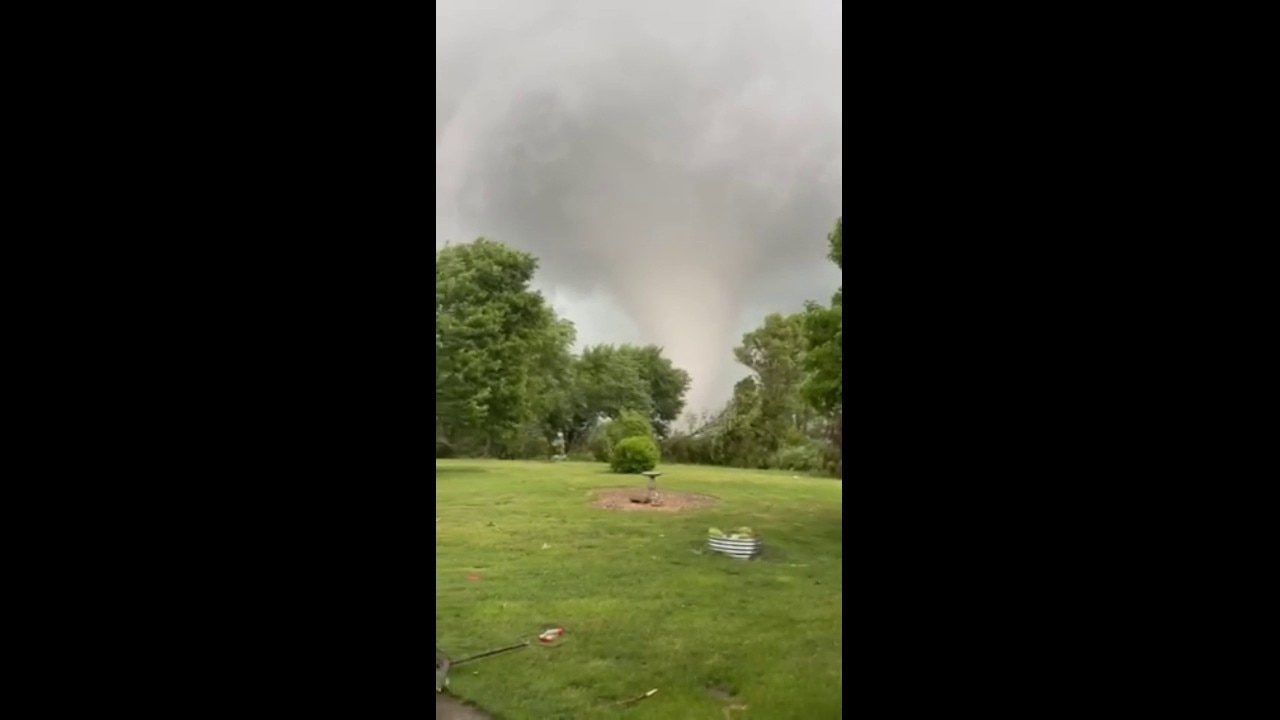
Severe storms and tornado reports hit the Chicago area, with tornado warnings issued across multiple counties and a confirmed tornado moving through St. John, Indiana toward Schererville and Merrillville. Wind gusts of 45-60 mph and up to 70 mph were reported, and the White Sox-Braves game was postponed due to rain. Conditions are expected to improve overnight and into Friday, but the event is disruptive for local travel and operations.
The immediate market impact is less about the storms themselves and more about the operational friction they create in the next 24-72 hours. The most exposed names are transport-heavy and time-sensitive businesses: parcel networks, regional freight, retail replenishment, and airport-dependent travel demand. Even when the weather clears, the second-order effect is a catch-up surge in re-routing, overtime labor, and missed service-level penalties, which tends to pressure margins before it normalizes.
The cleaner trade is that this is a short-duration shock rather than a structural demand event. That means any selloff in airlines, trucking, or local logistics names should be viewed through a one-to-two week lens, not a quarter-long thesis, unless there is evidence of material infrastructure damage or repeated severe-weather disruption. The bigger risk is not lost volume but cost absorption: low margin businesses can see basis-point margin erosion from fuel burn, idle equipment, and schedule resets even if revenue is deferred rather than destroyed.
A more interesting second-order beneficiary is the insurance and restoration ecosystem, but the trade is usually too diffuse unless the event compounds with verified tornado damage in populated corridors. In contrast, utility names can be mixed: short-term outage/recovery spend can support them operationally, but if there is widespread line damage or service interruptions, it becomes a near-term negative. The contrarian view is that investors often overprice catastrophe headlines when the key variable is actually damage severity; without a confirmed high-loss path, the equity market tends to fade these events quickly.
Catalyst watch: NWS damage surveys and any indication of tornado ratings will matter more than the headlines. If reports confirm concentrated structural damage, expect a more durable re-rating in insurers and restorers over 1-4 weeks; if not, the trade likely mean-reverts by next session as operations normalize and deferred shipments clear.
AI-powered research, real-time alerts, and portfolio analytics for institutional investors.
Request DemoOverall Sentiment
moderately negative
Sentiment Score
-0.20
