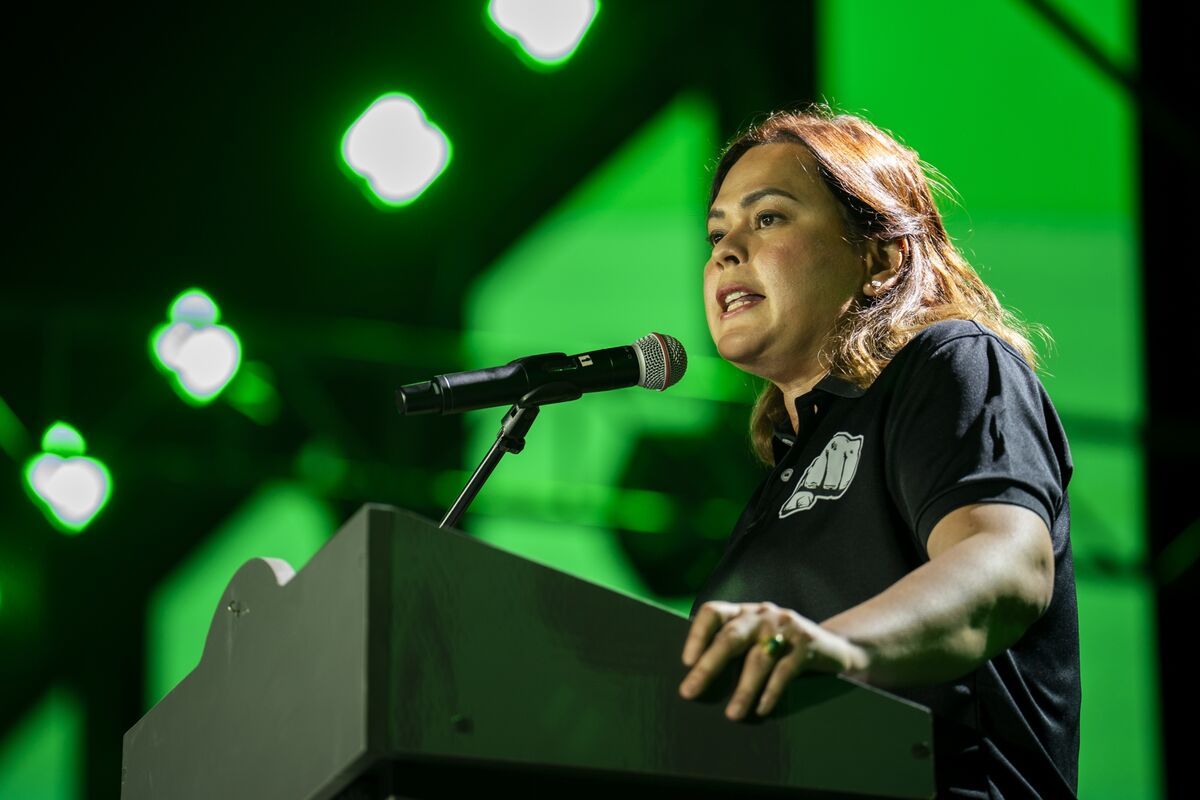
Philippine Vice President Sara Duterte publicly criticized President Ferdinand Marcos Jr.'s perceived pro-US foreign policy, specifically his decision to allow an American missile system on Philippine soil, a move that has angered Beijing. Duterte, advocating for closer ties with China, argued Manila should not be entangled in US-China tensions, highlighting a significant internal foreign policy divergence that could influence the Philippines' geopolitical alignment.
A significant public rift has emerged within the Philippine executive branch, creating notable geopolitical uncertainty. Vice President Sara Duterte's criticism of President Ferdinand Marcos Jr.'s pro-US foreign policy, specifically the decision to host an American missile system, signals a deep-seated division on how to navigate relations with global superpowers. This internal conflict introduces a layer of political risk, as the country's leadership is not unified on its strategic alignment. The move to accommodate US military assets has explicitly angered Beijing, and Duterte's call for friendlier ties with China suggests a competing vision for the nation's future. This divergence between the President and Vice President could lead to policy volatility and complicates the predictability of Manila's long-term stance, directly impacting foreign investment sentiment and the perceived stability of the country's political landscape.
AI-powered research, real-time alerts, and portfolio analytics for institutional investors.
Request DemoOverall Sentiment
moderately negative
Sentiment Score
-0.45
