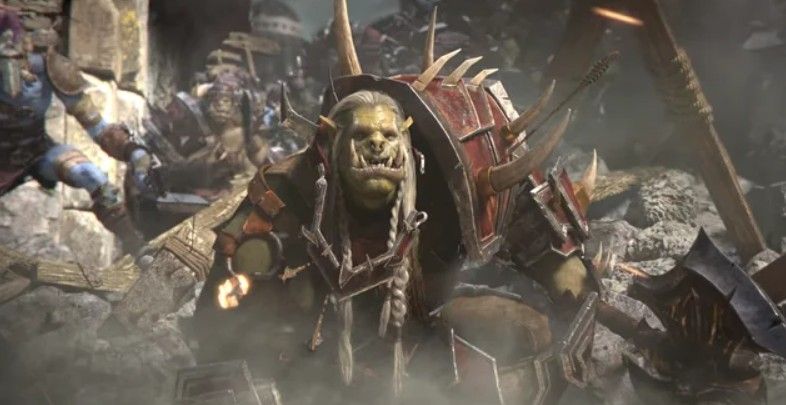
Blizzard said World of Warcraft patch 12.0.5 was "not up to our standards" and acknowledged player frustration after launch issues including balance problems, client crashes, and UI errors. The company promised faster fixes, better communication, and lessons learned, but the article argues Blizzard is rushing releases at the expense of quality, raising concerns about the long-term health of the franchise.
The market takeaway for MSFT is not the headline apology itself, but what it implies about execution discipline inside a high-profile consumer franchise that is now operating under tighter cadence and higher visibility. That matters because gaming is one of the few Microsoft segments where product quality directly translates into retention, monetization, and ecosystem stickiness; repeated launch instability risks turning a recurring-revenue product into a churn-leak problem. The second-order issue is governance: if roadmaps are being forced to execution rather than adjusted to readiness, the organization may be prioritizing calendar-based KPIs over lifetime value.
Near term, the stock impact should be muted, but the risk compounds over months if this becomes a pattern across Xbox/Game Pass content, not just one title. The real downside is not one bad patch—it is a deterioration in consumer trust that raises customer acquisition costs and lowers content efficiency, forcing more spend to hold engagement flat. In that scenario, gaming becomes a margin drag rather than a strategic growth pillar, especially if quality issues spill into adjacent franchises or slow down premium monetization.
The contrarian view is that the selloff opportunity may be overdone at the parent level because Microsoft can absorb a single franchise misstep without material consolidated earnings damage. However, if management is optimizing for cadence over quality across multiple releases, the issue becomes more structural: it suggests process debt, not just a one-off miss. The best tell over the next 1-2 quarters will be whether Microsoft alters release pacing or starts pre-announcing remediation and QA investments, which would indicate the problem is broader than consumer-facing churn noise.
AI-powered research, real-time alerts, and portfolio analytics for institutional investors.
Request TrialOverall Sentiment
mildly negative
Sentiment Score
-0.40
Ticker Sentiment
