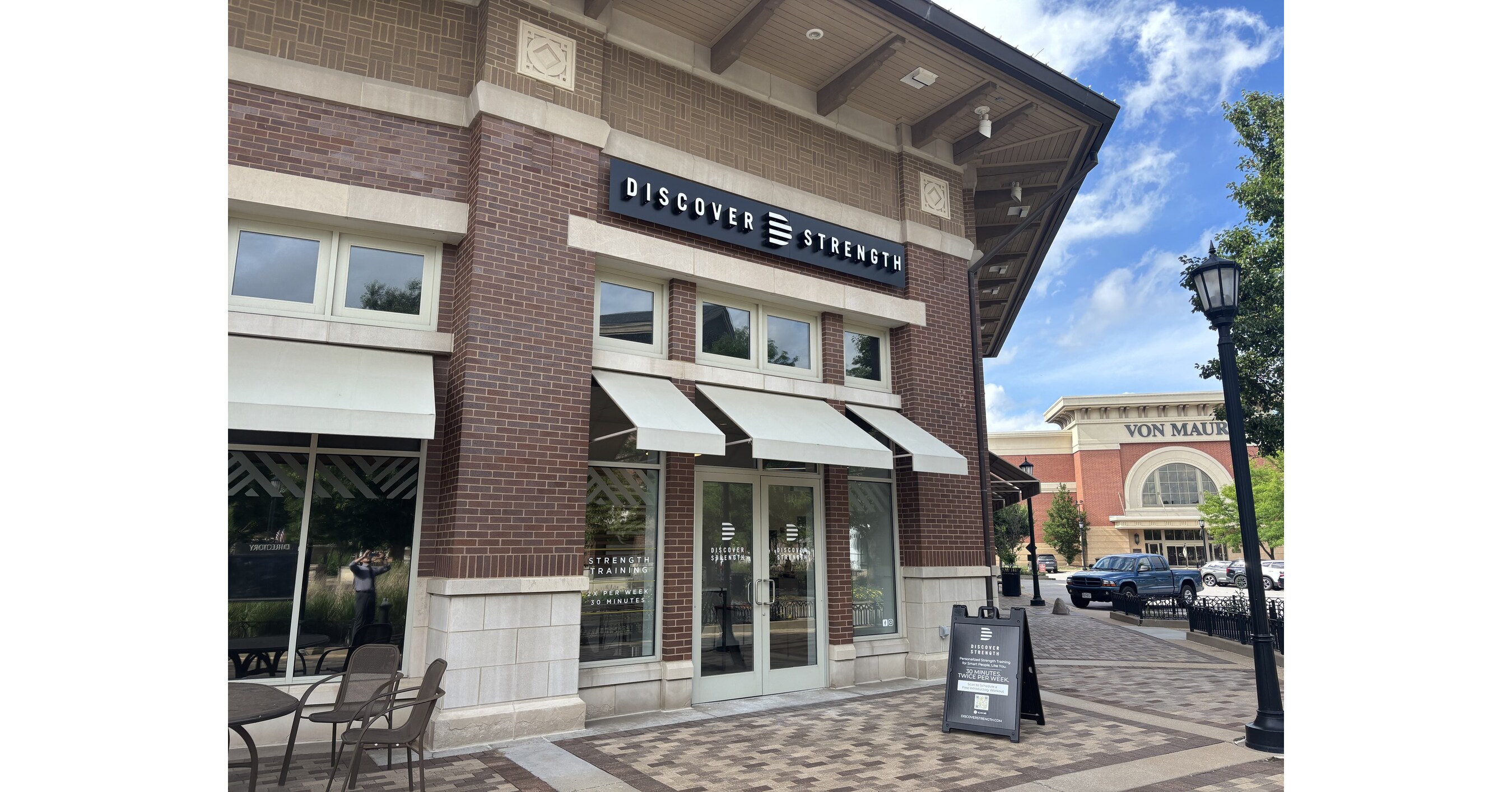
Discover Strength says it has opened seven new franchise locations in 2026 (including Roswell, GA; Naples, FL; and Plano North, TX) as franchise momentum and demand accelerate. The company cites an NPS of 93 and 80% member retention in 2025, alongside a Lake Saint Louis opening-week record for introductory workouts. With 41 locations across 15 states and additional sites in development, the update is broadly growth-positive but limited in immediate tradable market impact.
This is a useful private-market signal on consumer willingness to pay for outcome-based wellness, but it is not, by itself, a strong public-equity catalyst. The economic winner is not the studio operator so much as the franchise machine: brands that can keep unit economics stable while expanding into affluent suburban trade areas usually get the first claim on margin, while undifferentiated gyms and low-service fitness concepts lose share at the margin. The second-order beneficiary is the landlord/real-estate layer in growth corridors, where small-format wellness tenants can support occupancy with less capex than larger clubs.
The key question for public comps is whether this is a durable category shift or just early-cycle enthusiasm. If consumers continue paying for time-efficient strength training, that favors premium wellness names with strong retention and higher-income members; if not, expansion quickly turns into saturation and trainer-labor pressure, which compresses franchisee returns before it shows up in headline unit growth. For public proxies, that argues more for a selective long in premium health-club exposure than for a broad lift in generic retail/consumer baskets.
Contrarian view: the market may overread opening cadence and self-reported retention as evidence of scale durability. The real falsifiers are higher churn at mature locations, weaker franchisee re-ups, or a slowdown in new unit signings once the first wave of easy markets is filled. Over 1-3 months, watch consumer-spend data and any commentary from public fitness operators; over 6-18 months, the thesis only works if the model proves it can expand without diluting service quality.
AI-powered research, real-time alerts, and portfolio analytics for institutional investors.
Overall Sentiment
mildly positive
Sentiment Score
0.35
Ticker Sentiment
