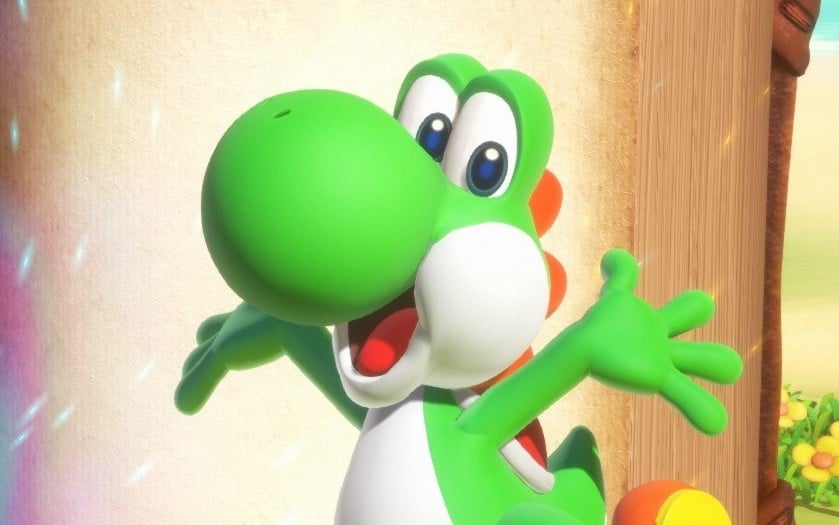
Nintendo is promoting a new My Nintendo Store reward in North America: a 'Super Mario - Yoshi Egg Zipper Pouch' priced at 800 Platinum Points, alongside new Yoshi and the Mysterious Book Switch Online icons. The company also noted a UK-only 'Sticky Notes Set' for 400 Platinum Points and said the My Nintendo Store will be renamed the Nintendo Store on 27 May 2026. The update is routine promotional news with minimal likely market impact.
This is not a meaningful fundamental demand signal for Nintendo; it is a low-cost engagement mechanic designed to increase platform stickiness and raise the probability of repeat log-ins, store visits, and incremental impulse purchases. The economic value sits in the funnel: collectibles and digital cosmetics are usually most effective when tied to a fresh content cycle, because they convert latent franchise interest into measured engagement without requiring a blockbuster SKU to carry the quarter.
The second-order winner is the broader Switch ecosystem, not the giveaway itself. Limited-availability rewards tend to create a small but durable conversion lift for digital storefront traffic, which can improve attachment rates on first-party software, subscriptions, and accessory baskets over the next 1-3 months. The risk is that these promos become background noise; if the new title does not translate into visible software sell-through, the campaign fades into a retention tool rather than an acquisition catalyst.
From a positioning standpoint, the setup is mildly positive for Nintendo but not strong enough to justify a standalone directional trade absent corroborating sales data. The more interesting lens is sentiment: family-friendly franchises with recurring character merchandising often outperform expectations when retail channels are quiet, because they monetize fan affinity even in a low-growth hardware environment. That said, if the new title underwhelms after the initial novelty window, the market will likely view these rewards as defensive marketing, which caps upside in the stock.
The contrarian view is that this may be a sign of ecosystem management ahead of a longer hardware transition, not a demand boom. If consumers are highly engaged, Nintendo should not need to lean on small-value rewards to keep attention; if it does, that implies the franchise is being used to sustain momentum between larger releases. The key catalyst to watch is whether these engagement tactics coincide with measurable improvement in digital revenue or remain purely cosmetic over the next quarter.
AI-powered research, real-time alerts, and portfolio analytics for institutional investors.
Request DemoOverall Sentiment
neutral
Sentiment Score
0.10
