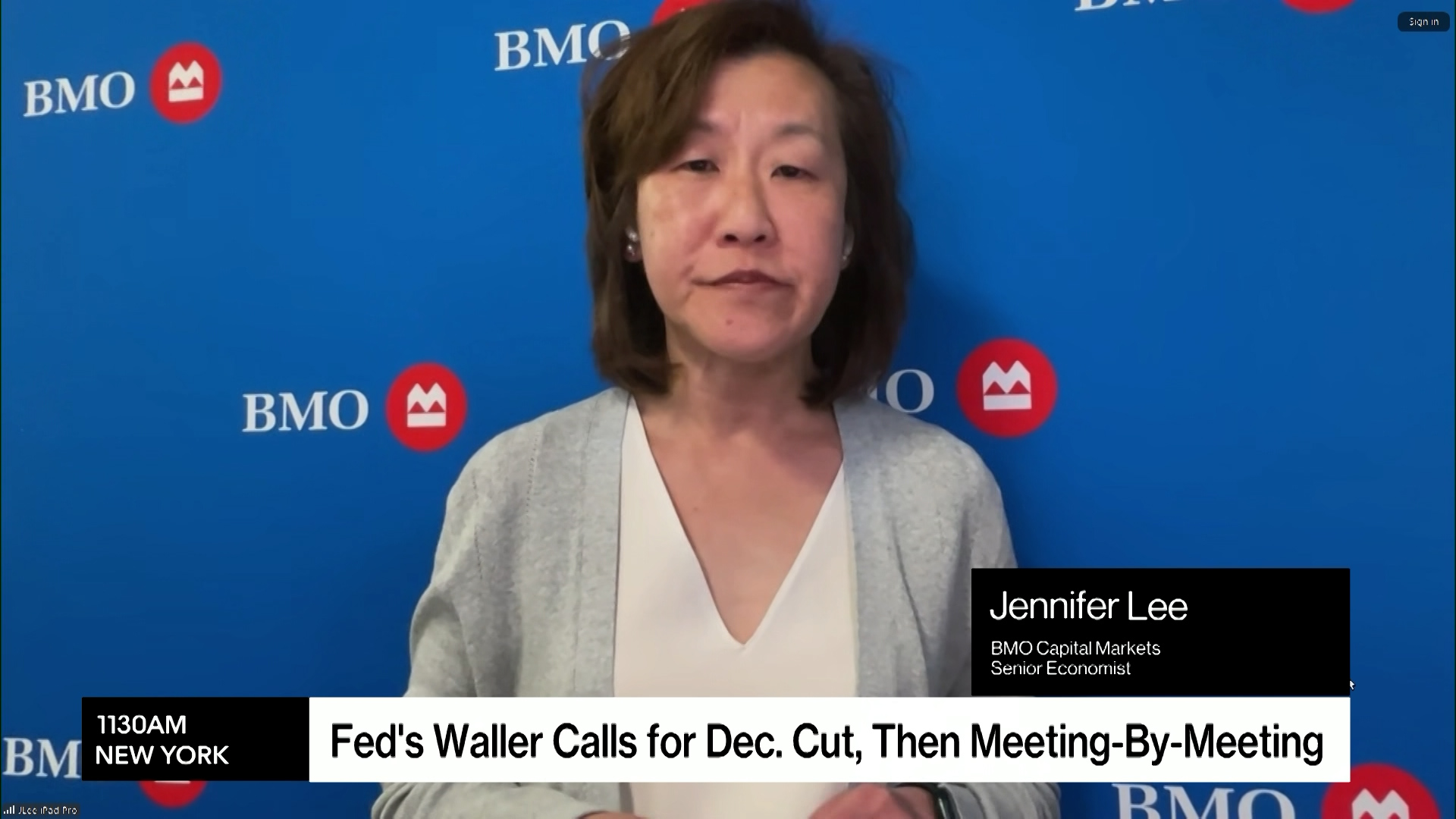
Novo Nordisk shares dropped after an oral Ozempic (semaglutide) pill failed an Alzheimer’s trial, a material clinical setback that is likely to pressure the company and biotech peers. Concurrently, commentary that the Fed — described as focused on AI developments — is not prepared to make a Greenspan-scale policy pivot, together with consumer sentiment sliding to near-record lows, points to weaker demand and a cautious macro backdrop that could weigh on risk assets.
Market structure: The clinical setback concentrates short-term selling into GLP-1/Alzheimer’s-exposed names and broad biotech beta; defensives (consumer staples, large-cap diversified pharm) and fixed-income proxies should receive incremental flows. Pricing power shifts away from indication-expansion stories toward cash-generative franchises; expect 5–15% relative underperformance for high-valuation early-stage biotech vs. large-cap pharma over 1–3 months. Lower appetite for idiosyncratic clinical risk reduces demand for small-cap biotechs, increasing supply of sell liquidity and widening bid-ask spreads in illiquid names.
Risk assessment: Tail risks include a regulatory clampdown on GLP‑1 marketing or label changes (low probability, high impact) and a positive competing readout that re-rates the cohort (symmetric). In days: elevated realized volatility and skew; weeks–months: sector de-rating and earnings guidance hits; quarters–years: permanent repricing if pipeline pipelines are impaired. Hidden dependencies include cross-trial correlations (one failure increases scrutiny across unrelated programs) and partner revenue recognition triggers; key catalysts are Fed decisions (next 1–3 meetings), CPI prints, and upcoming trial readouts in 30–90 days.
Trade implications: Short-duration hedges and relative-value shorts outperform outright long gamma plays—use put spreads on the most-exposed large caps and buy modest Treasury duration (1–3 month hedge) to capture risk-off flows. Pair trades (short concentrated GLP‑1/Alzheimer’s exposure vs. long diversified pharma/consumer staples) compress idiosyncratic risk while retaining sector upside. Volatility is the immediate tradeable instrument: expect IV compression over 4–8 weeks as positions get liquidated; favor defined-risk option structures to time that window.
Contrarian angles: Markets may overshoot; high-quality large-cap pharma (diversified revenue, solid pipelines) are likely to recover faster than small biotech—mispricing opportunity if a 10–25% sell-off occurs. Historical parallels (failed secondary indications) show 6–12 month mean reversion once core franchises prove intact; a concentrated short that ignores balance-sheet strength risks being squeezed if macro softening triggers rotation back into growth. Unintended consequence: heavy hedging of biotech could amplify funding stress for smaller names, creating forced-selling cascades and idiosyncratic opportunities.
AI-powered research, real-time alerts, and portfolio analytics for institutional investors.
Request DemoOverall Sentiment
moderately negative
Sentiment Score
-0.45
