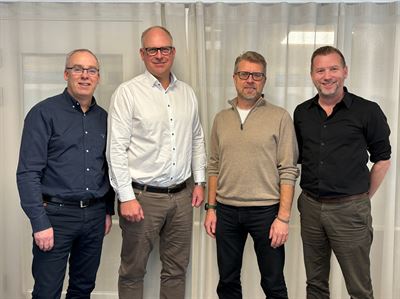
Assemblin El has acquired Wasastadens Eltjänst AB, a Stockholm-headquartered electrical contractor with annual revenue of SEK 53 million and 20 employees, enhancing Assemblin’s delivery capacity in the Stockholm/Mälardalen region. Wasastadens specializes in energy-efficient electrical systems (power, lighting, lightning protection, networks/fiber, UPS, fire alarms) and serves authorities, municipalities and construction firms; its current main owners will remain in the business. The deal is a strategic bolt-on for Assemblin Caverion Group (combined group revenue ~SEK 41 billion) that modestly expands local market share and technical capabilities but is unlikely to materially affect group financials.
Market structure: This bolt-on (SEK 53m revenue vs Assemblin Caverion Group SEK 41bn) is economically small but strategically meaningful — it increases local delivery capacity in Stockholm and adds stable municipal/authority service revenue. Winners are large consolidators (Assemblin/Caverion, Bravida) who gain scale, cross-selling and procurement leverage; losers are independent regional electrical contractors facing margin pressure and potential bidding exclusion. Expect modest upward pressure on pricing power for large players in public tenders over 6–24 months as they undercut small competitors with integrated services.
Risk assessment: Immediate impact is negligible to equity markets (days) but short-term (weeks–months) integration and retention risks exist (key personnel retention of 20 employees). Tail risks include municipal budget cuts or a high-profile project failure causing reputational/contract penalties; interest-rate driven construction slowdowns over 12–24 months could compress volumes. Hidden dependencies: successful cross-selling depends on IT/process harmonization and unionized labor negotiations — wage inflation >4% would erode 50–150bps of margin uplift.
Trade implications: Strategy favors long positions in large Nordic service integrators and credit of consolidated issuers over 6–18 months to capture margin squeeze relief and pricing power. Use collar or call-spread option structures to cap cost; overweight 3–5y senior bonds of high-quality installers to capture 25–75bp spread tightening if consolidation continues. Avoid small-cap local installers and reduce cyclical construction exposure ahead of potential municipal capex tightening.
Contrarian angles: The market will underreact to incremental M&A because headline size is small, creating stealth value accretion — cumulative bolt-ons can deliver 100–300bps ROCE lift over 2–3 years. Mispricing likely in mid-cap credits and shares of listed peers that have under-allocated for consolidation upside; historical Nordic consolidation (utilities/engineering) shows multiples expanding 10–20% within 12–24 months after clear roll-up progress. Monitor integration KPIs (retention, cross-sell pipeline) as early reversal catalysts.
AI-powered research, real-time alerts, and portfolio analytics for institutional investors.
Request DemoOverall Sentiment
mildly positive
Sentiment Score
0.30
