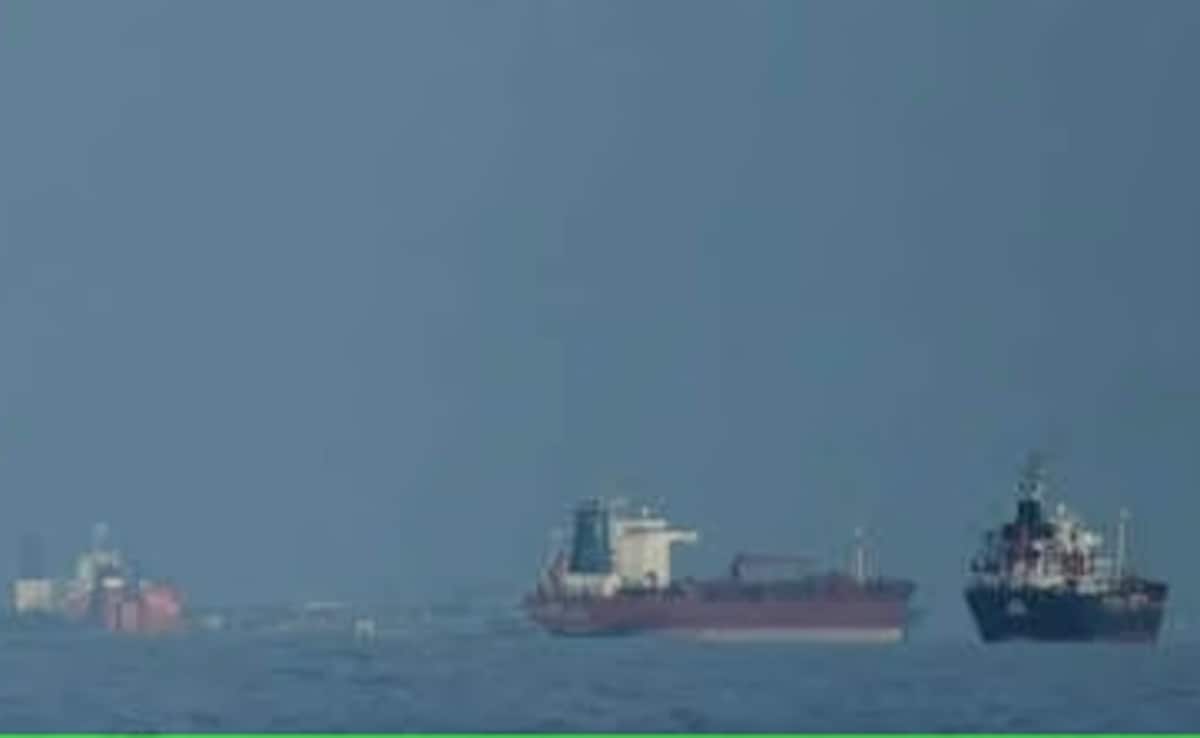
Two Indian-flagged tankers were fired upon by Iranian gunboats in the Strait of Hormuz, though no injuries or damage were reported. India summoned the Iranian ambassador to express deep concern, while Iran’s shifting stance on strait access has intensified uncertainty around a route that handles about one-fifth of global oil and gas flows. The incident raises immediate risk premia for energy transport and broader shipping through the corridor.
The immediate market implication is not a clean supply outage; it is a sharp rise in perceived transit risk. That matters because even a low-probability, high-visibility disruption in Hormuz can force a much larger insurance, routing, and cargo-handling response than the physical damage itself would justify. The first-order winner is any vessel operator or commodity participant with optionality on freight and time charter rates; the first-order loser is every importer with just-in-time exposure to Middle East-origin barrels or LNG cargoes.
The second-order effect is a latency shock: once crews start questioning whether clearance is real, effective capacity through the strait drops before a formal closure occurs. That can tighten prompt crude differentials, widen the Brent prompt spread, and lift tanker rates within days even if exports continue. The more important medium-term risk is that this becomes a repeatable harassment pattern rather than a one-off incident, which would force charterers to bake in a permanent geopolitical premium over the next 1-3 months.
Consensus will likely treat this as headline volatility, but the asymmetric risk is underestimating how quickly operating behavior changes after a small number of incidents. If Asian refiners and traders begin preemptively building inventories, the impact migrates from freight to flat price, with the steepest reaction in prompt crude and diesel cracks. Conversely, any credible backchannel reaffirming safe passage for India-bound or neutral-flagged shipping would rapidly compress the premium; that makes the trade less about directional oil beta and more about positioning for a short-lived risk spike with a fast decay if diplomacy stabilizes the lane.
The cleanest contrarian angle is that the physical market is probably still too well supplied for a sustained oil squeeze unless the disruption escalates beyond harassment. So the better expression is not outright long crude, but long transport and volatility versus short duration-sensitive end users. If the incident remains isolated, energy equities may underperform their own beta while shipping and defense-adjacent names retain the risk premium longer than barrels do.
AI-powered research, real-time alerts, and portfolio analytics for institutional investors.
Request DemoOverall Sentiment
strongly negative
Sentiment Score
-0.55
