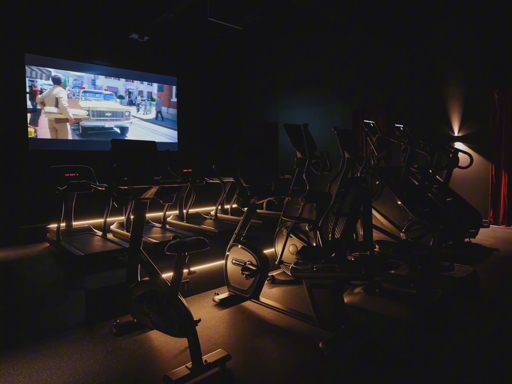
Amped Fitness will open its new Amped Fitness Mesa location on July 27, extending the brand’s Arizona footprint after a Glendale opening earlier in 2026. The new gym combines eight destination-style immersive fitness environments (e.g., Power/Arena, Recovery/Azura Cove, Entertainment/Sweat Cinema, Mindfulness/Lunar Escape) into a single accessible membership, aiming to drive higher usage and perceived value. Management framed the rollout as part of an “Amped Universe” expansion plan across Arizona through late 2026 into 2027.
This is less a direct read-through on TBHC than a signal about where consumer spend is migrating inside fitness: bundled value plus experience is tightening the gap between big-box gyms and boutique studios. The second-order winner is any operator with enough scale to absorb higher capex and labor while still keeping monthly pricing low; the loser is the small-format niche concept that depends on one reason to visit. In public markets, that favors PLNT as the cheapest route to scale and retention, while making XPOF-style franchise economics more vulnerable if customers decide they can get Pilates, recovery, and content-friendly amenities inside one membership.
Near term, the market should largely ignore this unless it is followed by a cluster of openings or evidence that utilization is strong. The real catalyst is 1-3 months of local traffic and retention data: if the ancillary rooms are meaningfully used, this validates a better LTV/CAC model; if they sit empty, the concept becomes just a higher-cost buildout. The key risk is that the economics look better at launch than after the first rent cycle, when staffing, equipment depreciation, and underused square footage start hitting margins.
Contrarian take: consensus may read this as incremental demand, but it may actually be cannibalization within the same discretionary wallet. That means the market could be underestimating competitive pressure on boutique fitness and overestimating the growth of total category spend. For TBHC specifically, I see no clean fundamental catalyst; the better trade is relative and only if follow-through data confirms the model is scalable.
AI-powered research, real-time alerts, and portfolio analytics for institutional investors.
Overall Sentiment
mildly positive
Sentiment Score
0.15
Ticker Sentiment
