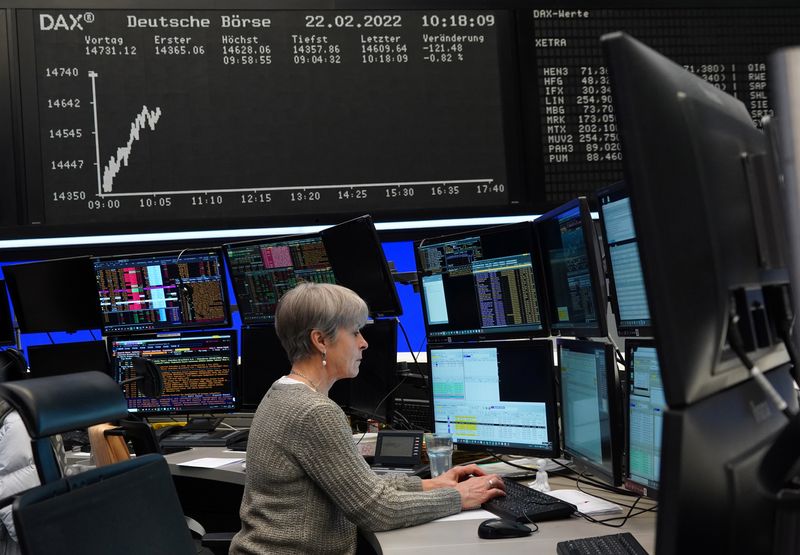
Iranian missile and drone attacks on UAE targets and merchant shipping, plus renewed fighting around the Strait of Hormuz, are keeping roughly a fifth of global oil supply at risk. Brent crude eased 0.8% to $113.56 a barrel but remains far above pre-war levels, reinforcing inflation and growth concerns. European equities were volatile, while HSBC fell more than 5% after a profit miss tied to a $400 million fraud charge.
The market is still pricing this as a headline-driven oil shock, but the more important second-order effect is a deterioration in transport reliability rather than a simple price move in crude. If Gulf shipping remains intermittent, the winners are not just upstream energy producers; they are owners of constrained alternative assets such as non-Gulf tanker capacity, storage, and select European refiners with access to cheaper non-Middle East feedstock. The losers are import-dependent airlines, chemicals, and manufacturers that run on just-in-time inventory, where margin compression can appear before economists revise growth estimates.
The banking signal matters more than it looks. A major global lender missing on a one-off legal charge into a risk-off tape is a reminder that capital markets are likely to reprice funding costs, credit exposure, and compliance tails before the conflict itself resolves. If shipping disruption persists for weeks rather than days, expect higher working-capital needs, trade finance stress, and wider CDS on European cyclicals with Middle East exposure; that creates a second-order drag on loan growth and fee income even if direct energy exposure is modest.
The contrarian point is that the market may be underestimating how fast a political resolution could unwind the trade. Because the current premium is built on supply interruption rather than destroyed barrels, any credible de-escalation or escorted transit corridor could compress crude quickly, especially if speculative length has built up over the next several sessions. That makes long oil-risk expressions attractive tactically, but poor as a medium-term hold unless the Strait disruption becomes durable and insurance/shipping costs reset higher for months.
AI-powered research, real-time alerts, and portfolio analytics for institutional investors.
Overall Sentiment
strongly negative
Sentiment Score
-0.55
Ticker Sentiment
