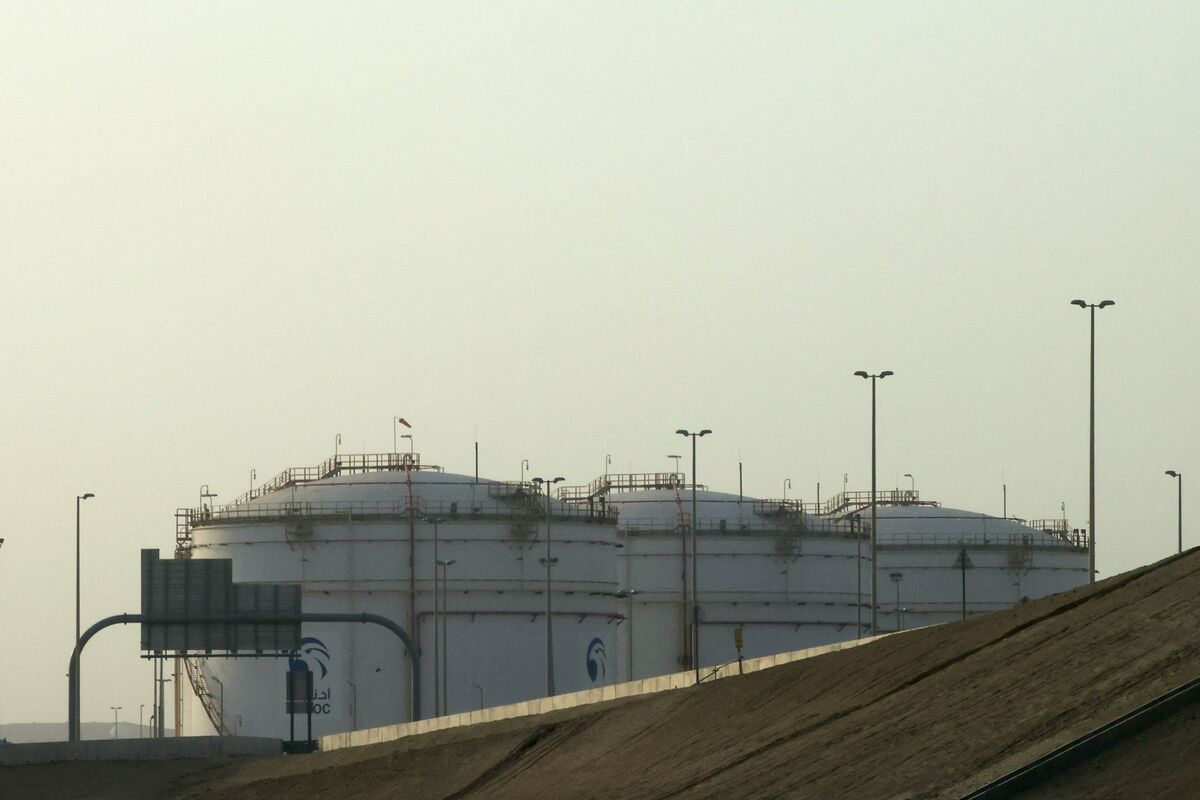
Asian refiners have slowed purchases of Middle Eastern crude after a three-week buying spree, with Abu Dhabi National Oil Co. tender demand easing and a fourth round expected to show similar softness. Oil majors and traders, including Shell and Mercuria, have stepped in to absorb some of the surplus barrels, indicating a temporary shift in flow rather than a major demand shock.
This looks less like a demand collapse than a temporary clearing event after refiners front-loaded supply. The key second-order effect is that prompt Middle East grades are being absorbed by traders/majors rather than end-users, which steepens the near-term spread between prompt and deferred barrels and can temporarily compress regional differentials without meaningfully changing the longer-dated balance. That dynamic tends to help paper barrels and physical arb desks first, while refiners sitting on excess inventories face weaker immediate crack support.
SHEL is a relative beneficiary because trading and optimization flows improve when physical market dislocations widen; integrateds with strong marketing/trading books can monetize the mismatch even if outright crude prices stay flat. The less obvious loser is any refiner relying on steady replacement barrels from the Gulf: if they overbought into the spree, they may be forced to run higher inventories or cut run rates for a few weeks, pressuring near-term margins and freight utilization. Transportation is a second-order watchpoint: fewer urgent refinery replacement cargos can soften spot tanker demand on the Asia-Middle East leg before broader crude demand indicators actually roll over.
The catalyst that matters is whether this is just a one-to-two week digesting period or the start of a broader inventory restock pause. If arbitrage economics remain attractive and prompt discounts persist, buyers will re-enter quickly; if not, deferred demand could spill into the next tender cycle and widen time spreads further. The contrarian view is that markets may overread the slowdown as bearish for crude, when in practice it may simply be a redistribution from refiners to traders, keeping physical balances tighter than headline tender volumes imply.
AI-powered research, real-time alerts, and portfolio analytics for institutional investors.
Overall Sentiment
neutral
Sentiment Score
0.00
Ticker Sentiment
