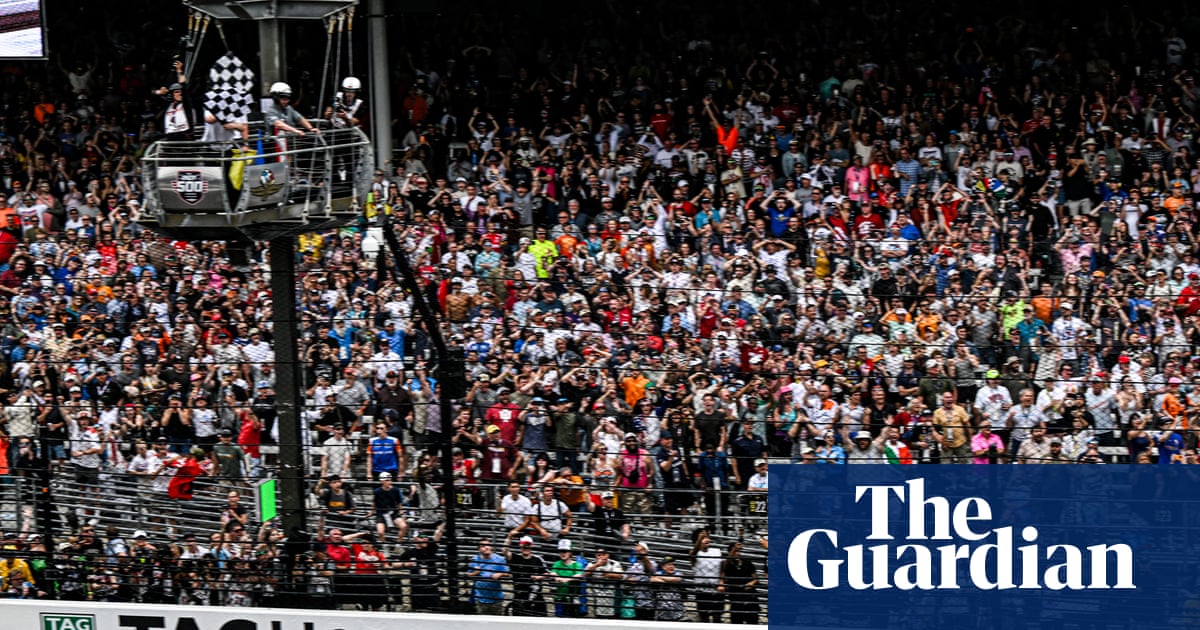
Felix Rosenqvist won the Indianapolis 500 by 0.0233 seconds, the closest finish in race history, edging David Malukas after a final-lap restart. Malukas finished second, Scott McLaughlin third, and Pato O’Ward fourth, while Marcus Armstrong faded to fifth after leading late. The article is primarily a race recap with no direct macro or earnings implications, so market impact is minimal.
The clean read-through is not about a single race result, but about how much of modern IndyCar outcome dispersion is now driven by late-race restart structure rather than outright pace. That matters for the ecosystem because it increases variance for the teams with the best strategy execution and cooling/boost management, while penalizing “best car” setups that cannot defend in dirty air on the final restart. In other words, the edge is shifting from pure speed to restart robustness, pit wall decision quality, and driver aggression under extreme compression.
The second-order beneficiary is Meyer Shank’s broader commercial position: a marquee win in a historically important event tends to improve sponsor retention, recruiting, and engineering credibility more than a conventional win. Over the next 1-2 quarters, that can translate into better driver-market optionality and a higher probability of retaining technical partners, even if the team’s baseline performance remains volatile. For Penske and the runner-up camp, the loss is less about points and more about narrative damage — close misses compound, and repeated “almost” outcomes can affect sponsor optics and internal pressure around race-day execution.
From a positioning standpoint, this is a classic overreaction setup if the market extrapolates a one-off headline into structural team ranking changes. The result should not be read as evidence of a durable gap; it is more likely a high-variance datapoint in a sport where a single caution can flip expected value by multiple positions. The contrarian angle is that the most underappreciated edge is not the winner’s pace, but the teams that repeatedly put themselves in the top-two window late enough for randomness to work in their favor.
Catalyst-wise, the relevant horizon is the next 1-3 race weekends: if the same teams keep showing late-race competitiveness, then the market can start to assign real sponsorship and talent-retention premium. If they revert to midfield form, this will fade as a pure event-driven spike. Tail risk is reputational: a high-profile crash or mechanical failure in the next major event would quickly unwind any optimism around team momentum.
AI-powered research, real-time alerts, and portfolio analytics for institutional investors.
Request DemoOverall Sentiment
neutral
Sentiment Score
0.12
