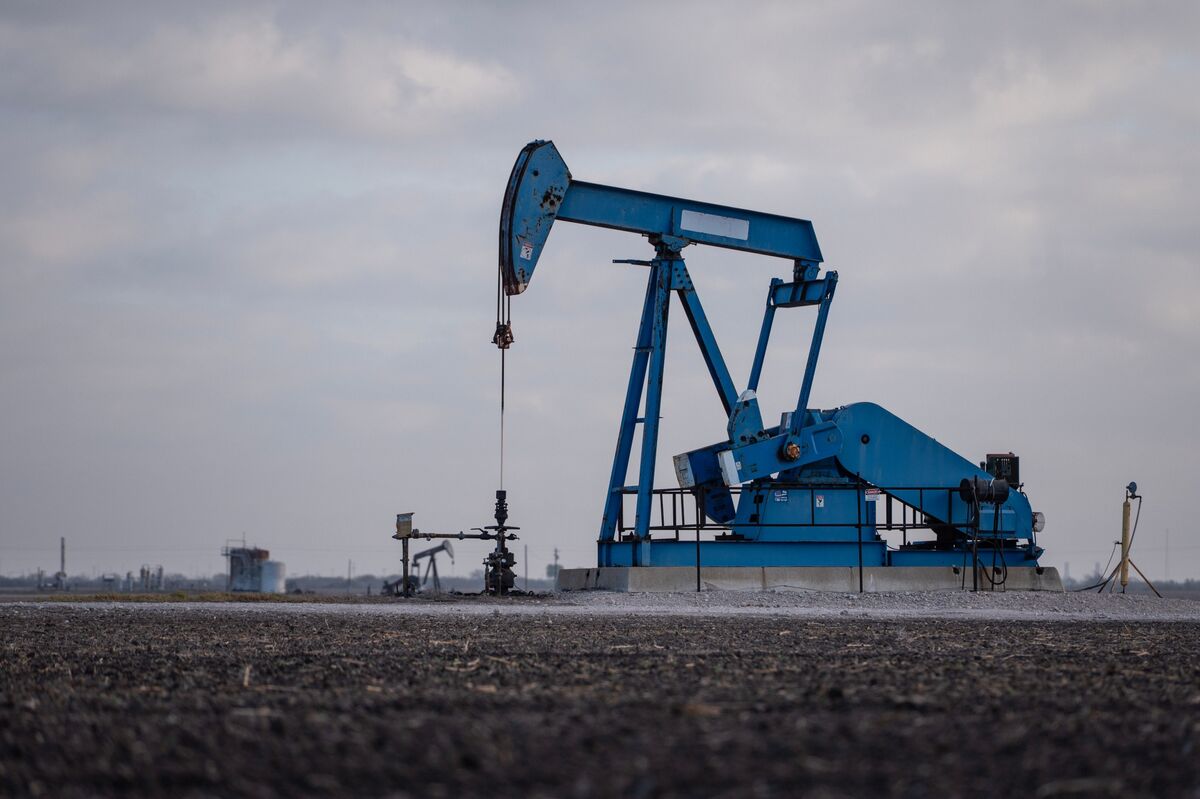
Oil edged higher after plunging more than 5% in the prior session, with WTI near $99/bbl and Brent near $105/bbl. Prices stabilized as Trump said the U.S. is in the "final stages" of talks with Iran, raising hopes for a deal that could restart energy flows through the Strait of Hormuz. The headline is geopolitically significant and could keep crude markets highly volatile.
The immediate market message is not “lower supply,” but “higher variance.” A credible pathway to restored Iranian barrels compresses the geopolitical risk premium faster than it changes physical balances, which is why the first leg is usually a sharp derisking rather than a slow repricing. That makes the next several sessions more about positioning cleanup than fundamentals, especially if CTA and macro shorts are still crowded after the recent downdraft.
The second-order losers are not just upstream producers; they are anyone relying on elevated prompt spreads. A de-escalation narrative tends to flatten the front of the curve, hurting storage economics, tanker rates, and short-dated volatility sellers who were positioned for continued supply shock. By contrast, refiners can see a mixed effect: cheaper crude helps margin input costs, but if the market reprices lower in the front month faster than products, cracks can temporarily lag and create trading dislocations.
The key risk is that diplomacy headlines can reverse faster than barrels can move. A real supply normalization from Iran is a months-not-days process, so the near-term market is vulnerable to over-discounting a deal that may only reduce risk premia before any incremental physical flows actually arrive. If negotiations stall, the bounce can unwind quickly because the move down likely forced systematic sellers to rebalance, leaving the market exposed to a squeeze back higher.
Consensus may be underestimating how asymmetric this is for volatility rather than outright price. Even a partial agreement can cap upside and compress implied vol, which is often more actionable than a directional oil view when headline risk is binary. The tradeable edge is not predicting the deal outcome, but exploiting the gap between fast financial repricing and slow physical implementation.
AI-powered research, real-time alerts, and portfolio analytics for institutional investors.
Request DemoOverall Sentiment
neutral
Sentiment Score
0.10
