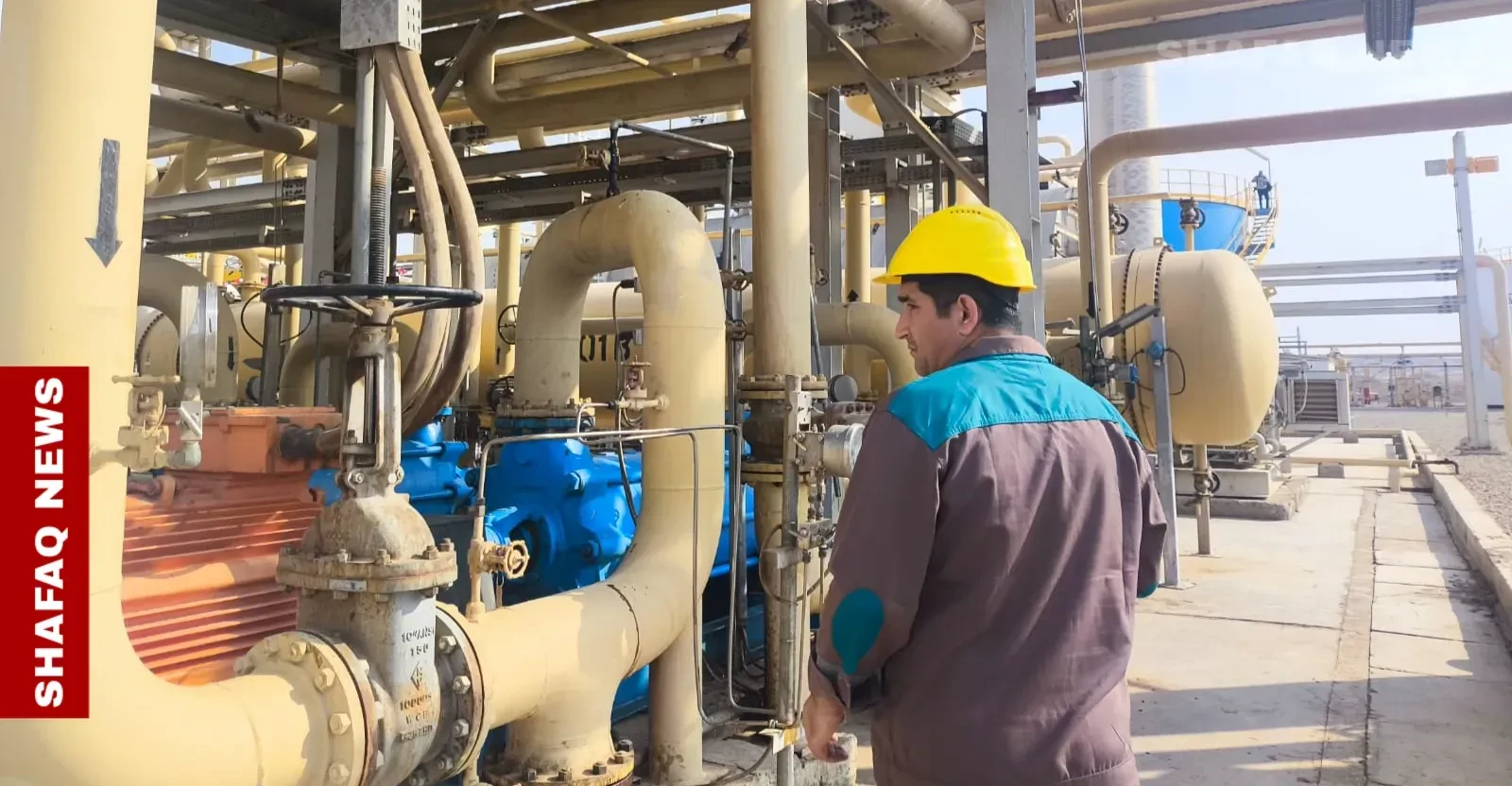
Iraq’s oil exports via Turkiye remain stalled at about 200,000 bpd from Kirkuk as Baghdad and Ankara fail to agree on terms for restarting shipments. Turkiye is pushing investment in Iraqi oil projects instead of the prior export framework, leaving northern flows constrained while Iraq shifts crude from southern fields to northern refineries. If suspended operators return, exports through Turkiye could rise to 400,000-500,000 bpd.
The market is underpricing the option value of a restored northern export corridor, but the path is binary and slow. In the near term, the standoff preserves a small but meaningful supply tightening for Mediterranean refiners that have been using Iraqi barrels as a flexible feedstock, while keeping regional differentials supported versus benchmark crude. The bigger second-order effect is that this pushes Baghdad to keep leaning on southern logistics, which raises internal bottlenecks and reduces Iraq’s ability to respond to any offshore disruption elsewhere in the Gulf.
The more interesting angle is not the current lost volume; it is the embedded upside if negotiations convert into an investment-linked framework. That would effectively trade present export friction for future capacity optionality, which is structurally bullish for midstream, services, and EPC exposure tied to Iraqi upstream and pipeline infrastructure. The reopening path also becomes a geopolitical hedge: every incremental barrel moved north reduces Iraq’s dependence on southern outlets and gives Ankara leverage over a route that can be monetized through infrastructure commitments rather than pure transit fees.
Consensus likely focuses on the delay as a temporary headline issue, but the real risk is a prolonged underinvestment trap. If operators stay sidelined for months, restart volumes can remain stuck well below potential even after a political deal, meaning the upside to exports may be slower than the market expects. Conversely, a surprise breakthrough would pressure nearby light-sour crude premiums and weigh on tanker economics tied to longer-haul alternative sourcing, but that would probably only matter over a multi-month horizon rather than days.
AI-powered research, real-time alerts, and portfolio analytics for institutional investors.
Overall Sentiment
mildly negative
Sentiment Score
-0.15
