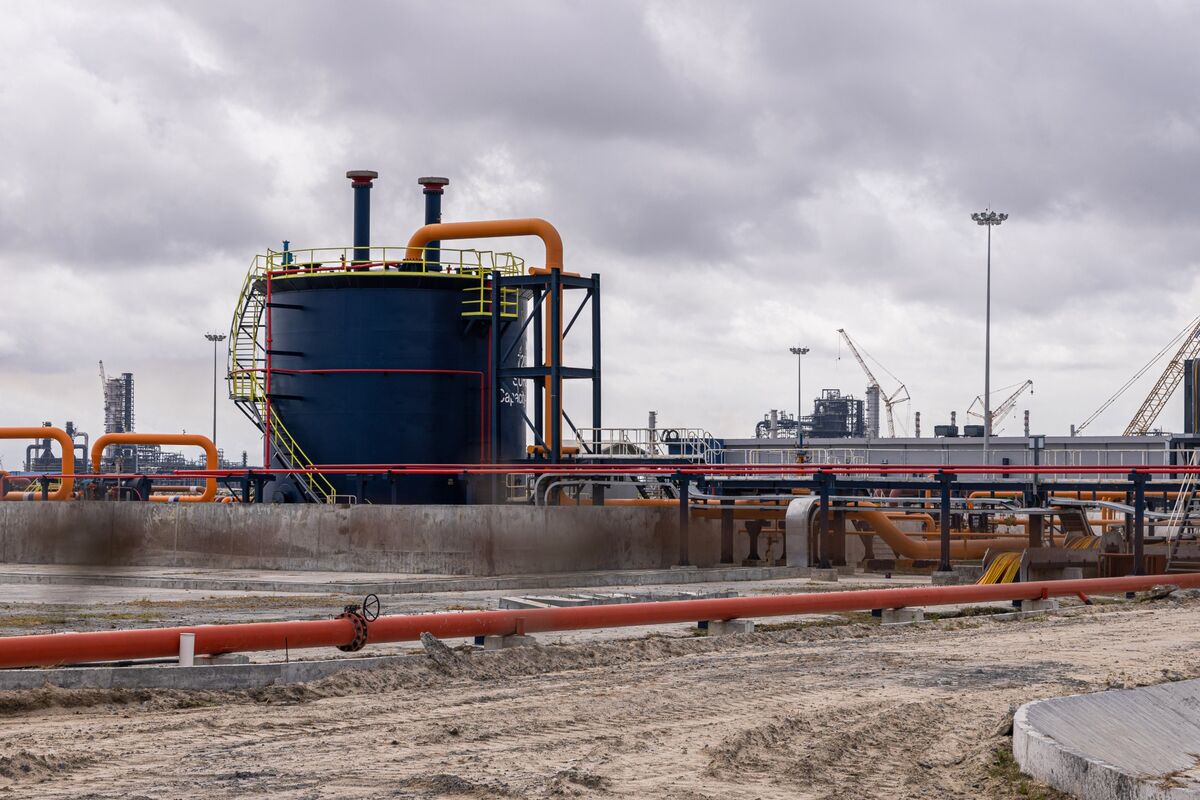
Nigeria has reduced the cost-recovery ceiling for oil firms operating under production-sharing contracts from 80% to 70% of expenses, as confirmed by NNPC Ltd.'s Group CEO. This measure aims to bolster government revenue and mitigate the widening budget deficit exacerbated by lower crude oil prices.
Nigeria has implemented a significant fiscal policy adjustment impacting its energy sector by reducing the cost-recovery ceiling for oil companies with production-sharing contracts (PSCs) from 80% to 70%. This regulatory change, announced by the CEO of the Nigerian National Petroleum Co. Ltd., is a direct government intervention designed to bolster state income and counter a widening budget deficit threatened by lower crude oil prices. The 10-percentage-point reduction in recoverable expenses effectively increases the government's take from oil production, thereby compressing the profitability and cash flow of foreign and local operators. This action underscores the heightened fiscal pressure on the Nigerian government and introduces greater regulatory risk for energy companies operating in the country, as reflected by the moderately negative sentiment score associated with this news. The move may impact the perceived attractiveness of future investments in Nigeria's upstream oil and gas sector compared to regions with more stable fiscal regimes.
AI-powered research, real-time alerts, and portfolio analytics for institutional investors.
Request DemoOverall Sentiment
moderately negative
Sentiment Score
-0.40
