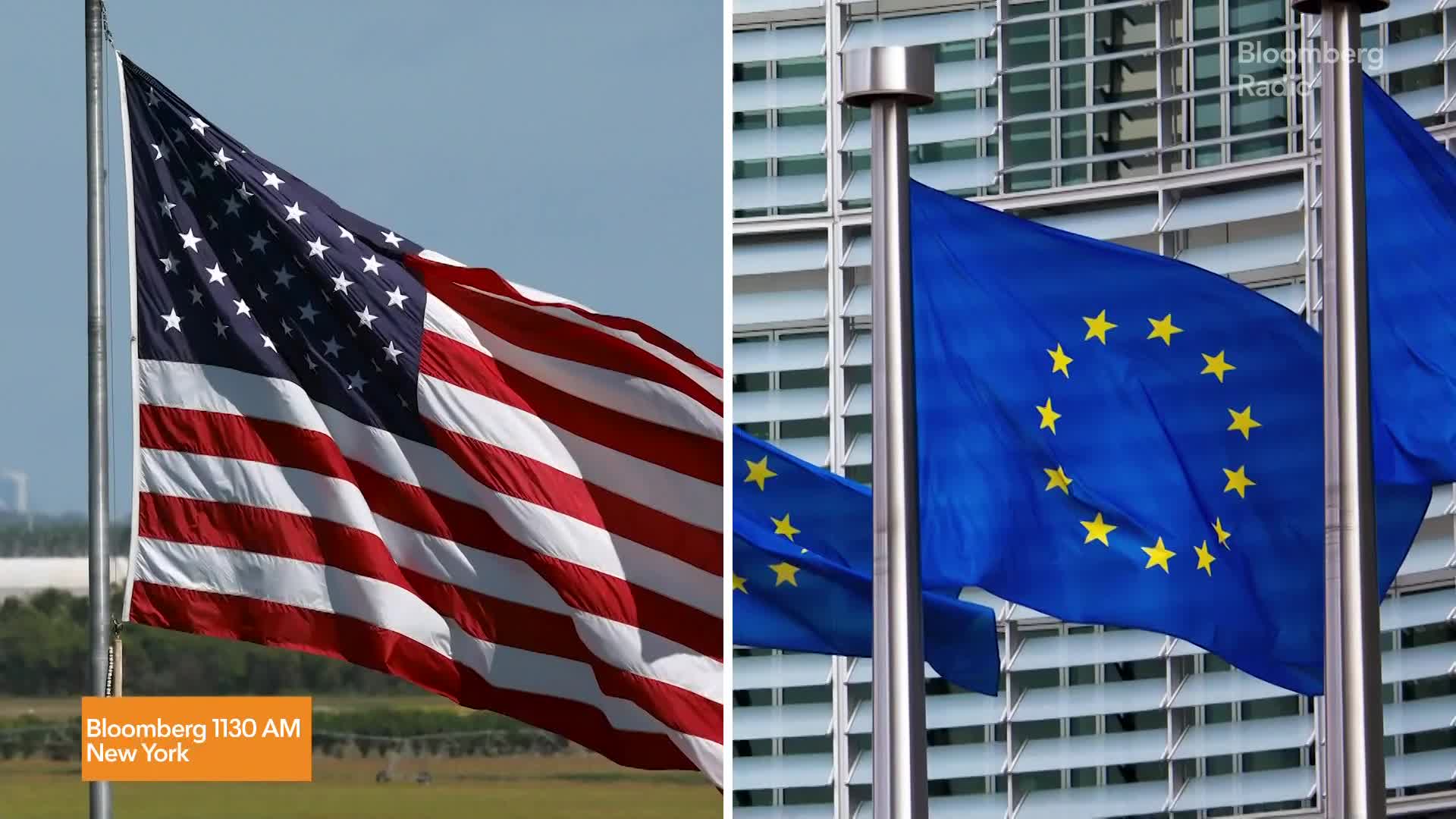
The United States and European Union are formalizing a trade pact to rebalance economic ties, with plans to reduce tariffs on European automobiles within weeks and potentially on steel and aluminum. This agreement advances a preliminary deal by setting specific benchmarks for the EU to secure tariff discounts across key sectors including cars, pharmaceuticals, and semiconductors, while also fostering cooperation on economic security and digital trade. The move signals a significant de-escalation of trade tensions and could impact sector-specific trade flows.
The United States and the European Union are advancing a trade pact that signals a material de-escalation of transatlantic trade tensions. This agreement formalizes a preliminary deal by establishing specific benchmarks for the EU to secure tariff reductions on key goods, with a notable plan to potentially lower tariffs on European automobiles within weeks. The scope of the pact is broad, also targeting potential discounts for steel and aluminum, and extending to sectors such as pharmaceuticals and semiconductors, contingent on the EU meeting the new benchmarks. Further commitments to cooperate on economic security, food standards, and digital trade underscore a move towards a more comprehensive and stable economic relationship. The explicit endorsement from the US President reinforces the political momentum behind this initiative, suggesting a high probability of implementation and a positive shift away from recent protectionist policies.
AI-powered research, real-time alerts, and portfolio analytics for institutional investors.
Request DemoOverall Sentiment
strongly positive
Sentiment Score
0.75
