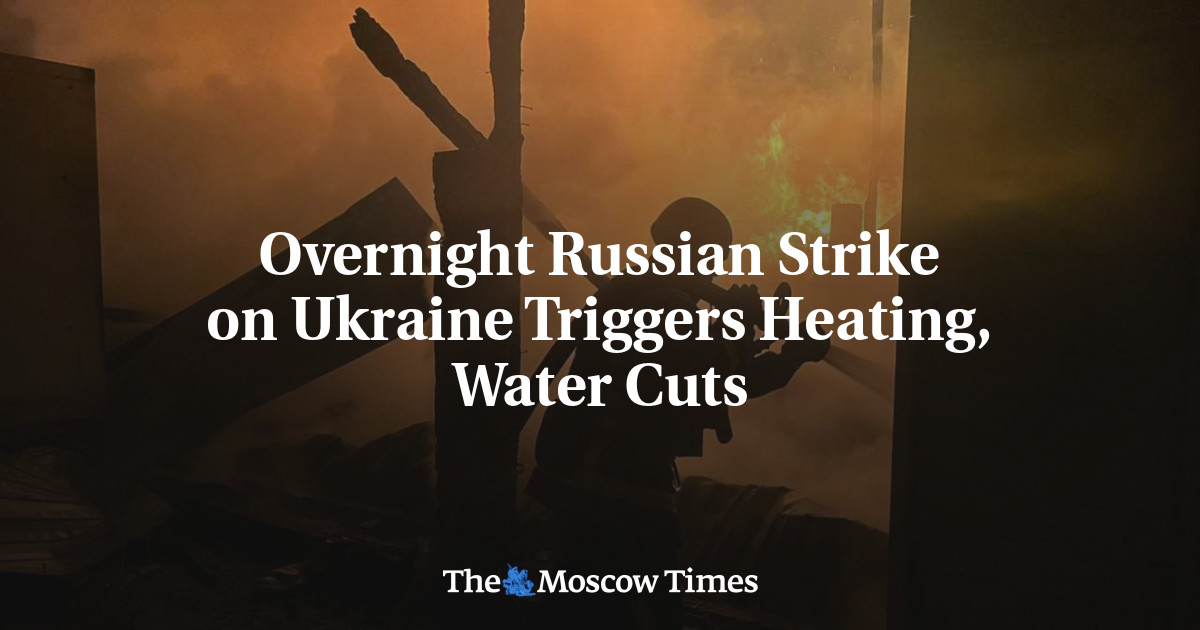
Russia launched an overnight strike campaign — Kyiv reported 653 drones and 51 missiles — hitting energy facilities and rail infrastructure, including a destroyed main railway station in Fastiv, and triggering heating and water outages (e.g., Odesa: ~9,500 households without heat and ~34,000 without water). Ukrainian authorities warned of additional rolling power cuts as repairs proceed while emergency ministers convened; the strikes raise near-term risks to energy supply reliability, domestic logistics and repair costs and could feed into regional energy-price volatility and risk-off positioning among investors.
Market structure: Energy and defense are the direct beneficiaries — spot and prompt gas/coal/oil will reprice higher into winter as grid repairs and rolling outages raise short-term demand; defense primes (LMT, RTX, GD) gain near-term pricing power from renewed procurement and rapid-repair contracts. Losers include Ukrainian utilities, regional transport/rail operators and insurers; expect localized credit stress and higher claims costs for reinsurers into Q1. Cross-asset: oil/gas and power spreads widen, EUR under pressure vs USD, volatility term-structure steepens (front-month up >30% vs 3‑6m), and core sovereign yields may dip as funds flow to safe assets. Risk assessment: Tail risks include escalation to strike NATO-adjacent infrastructure or major winter cutoffs (low prob ~5–10% over 6 months but high impact). Immediate (days) — volatility & commodity spikes; short-term (weeks–months) — elevated defense capex and energy imports; long-term (years) — supply-chain reconfiguration away from Russia and higher European energy security capex. Hidden dependencies: repair crew bottlenecks, insurance/reinsurance capacity, and Black Sea grain export corridors; these can amplify price moves. Trade implications: Favor defensive cyclicals with real cashflows and liquid hedges: buy defense exposure and energy front-months, hedge FX and equity beta with USD and gold. Use short-dated options to capture policy/aid catalysts (US aid approvals, EU emergency measures) expected within 30–90 days. Rotate out of consumer travel/airlines and selective Ukrainian/Eastern Europe credit exposure; prefer regulated energy infra over merchant power names for idiosyncratic risk control. Contrarian angles: Consensus already leans defense — the mispricing is in over-discounted European regulated utilities and midstream that will benefit from reconstruction contracts once funding flows (EU/US) arrive; a 10–20% overshoot on utility selloffs is plausible and creates buy opportunities. Historical parallel: 2014 sanctions showed multi-year uplift in defense + prolonged energy premium; unintended consequence — elevated inflation forcing faster rate normalization, which will pressure long-duration green assets.
AI-powered research, real-time alerts, and portfolio analytics for institutional investors.
Request DemoOverall Sentiment
strongly negative
Sentiment Score
-0.60
