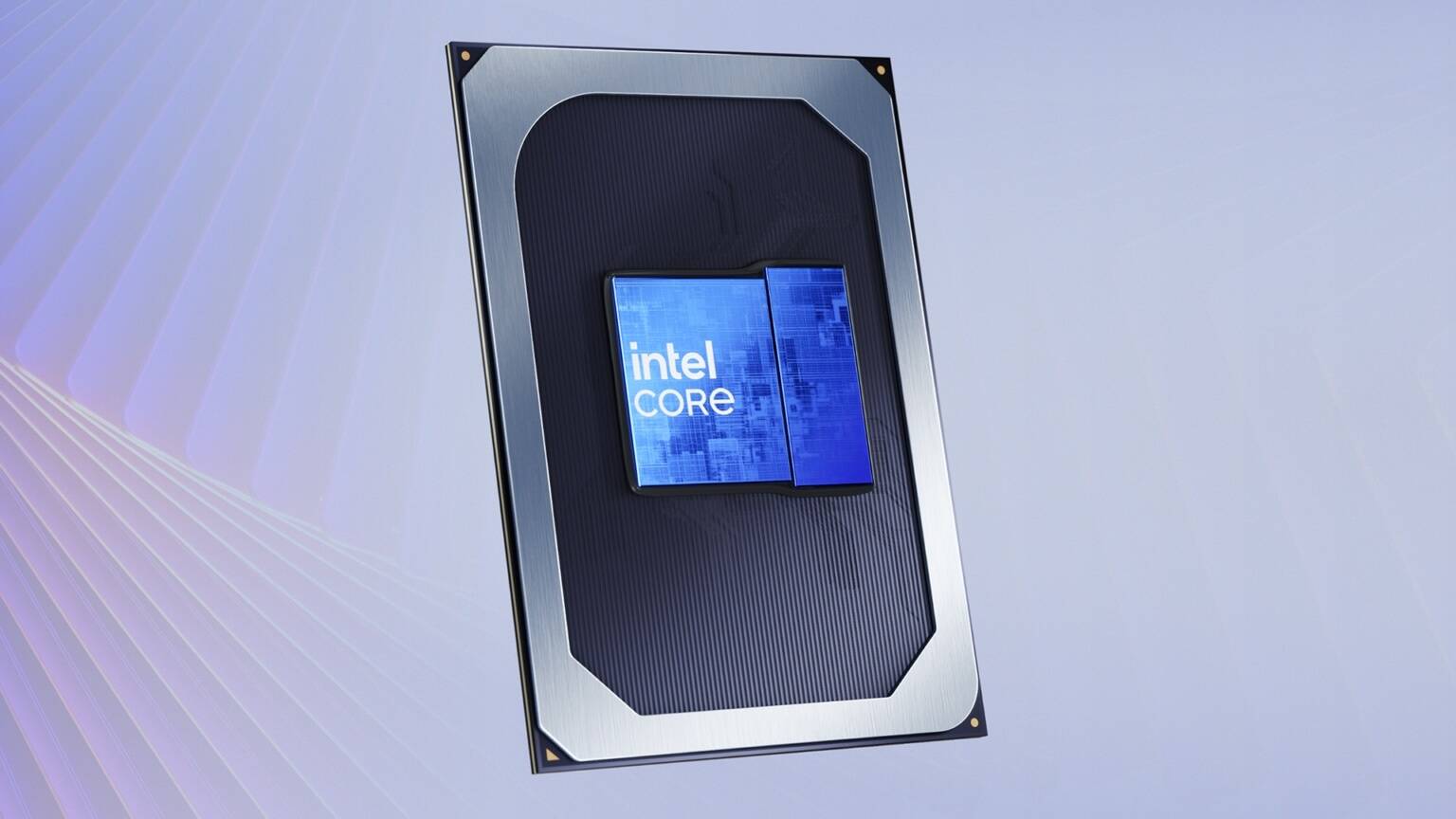
Intel launched new Core Series 3 processors built in the US on its 18A process, reducing reliance on TSMC and expanding its client chip lineup. The chips feature up to 6 CPU cores, 2 Xe3 GPU cores, and 15-17 INT8 TOPS NPU performance, with up to 40 platform TOPS and more than 70 partner designs expected. Intel also positioned the parts for low-power edge AI workloads, with first systems available Thursday and edge shipping later this quarter.
This is less about the chips themselves and more about Intel proving it can monetize its US fab footprint before the market assigns permanent “outsourced OEM” status to the client group. The second-order bull case for INTC is margin expansion via mix and packaging control: even low-end volume parts that keep capacity utilized on 18A improve fixed-cost absorption and reduce dependence on TSMC for mainstream client sockets. The strategic value is that Intel can now bid for design wins with a domestic-supply-chain pitch at a time when procurement teams are explicitly paying for geopolitical optionality.
The competitive pressure falls most heavily on TSMC at the margin, but the bigger loser could be Apple on cost structure if Intel’s domestically made parts become a credible “good enough” alternative in price-sensitive notebooks and fleet deployments. That does not threaten Apple’s premium halo, yet it can cap pricing power at the low end of the MacBook/ultrabook market by giving OEMs a US-made Intel SKU that avoids the compliance and tariff headaches of fully offshore supply chains. For NVDA, the relevance is indirect: Intel’s edge positioning is a reminder that inference workloads are bifurcating, and a cheaper x86-based edge box can slow adoption at the low end of embedded AI budgets where Jetson-style devices compete on BOM economics.
The near-term catalyst is not consumer demand but design-win announcements over the next 1-2 quarters; if more than 70 partner designs translate into actual channel sell-through, this becomes a utilization story rather than a PR story. The main risk is that single-channel memory and modest NPU specs make these parts vulnerable to comparison-shopping once buyers realize the headline AI story does not translate into real Copilot+ differentiation. If OEMs discount aggressively to move inventory, the product could be accretive to wafer starts but dilutive to perceived platform quality.
The contrarian read: the market may be underestimating how much customers value supply-chain sovereignty over peak specs in a slowing PC refresh cycle. If enterprise IT budgets stay cautious, “made in the US” plus acceptable battery life and enough AI throughput could win share in procurement-led refreshes even if benchmark enthusiasts dismiss the parts. That makes this a medium-duration share-gain thesis for Intel, not a near-term earnings pop.
AI-powered research, real-time alerts, and portfolio analytics for institutional investors.
Request DemoOverall Sentiment
mildly positive
Sentiment Score
0.20
Ticker Sentiment
