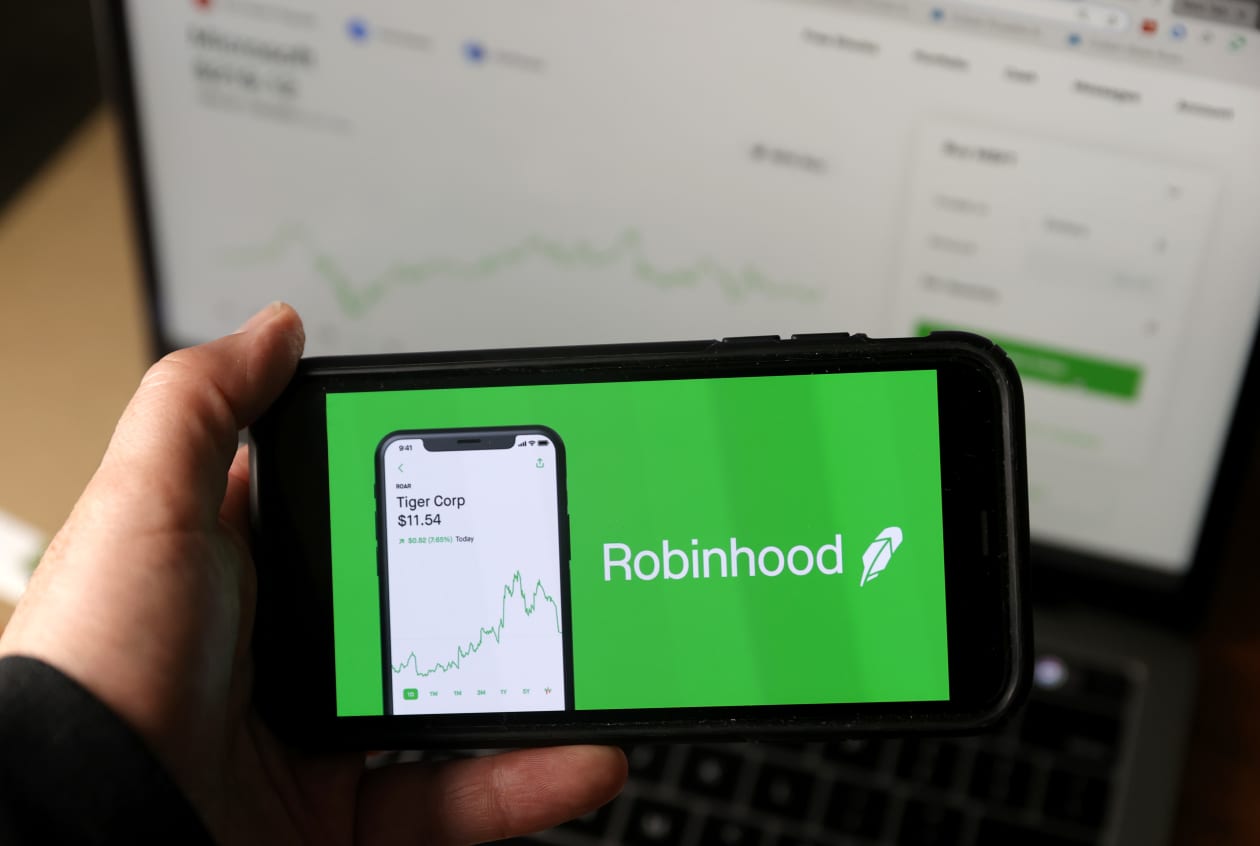
Robinhood is cutting nearly 300 jobs, or about 10% of its full-time workforce, after reporting roughly 2,900 employees in its latest annual report. The company said the reduction is intended to maintain a "high performance culture," signaling cost discipline but also highlighting operational restructuring. Shares rose in early Tuesday trading as investors focused on the workforce cut alongside the stock's four-session winning streak.
This is less about near-term cost savings and more about signaling that management is trying to re-rate the company from a growth-at-any-cost fintech to a tighter operating model. In the near term, layoffs can mechanically support margins and buyback optics, but for a platform like HOOD the market usually cares more about net deposits, trading engagement, and product velocity than expense discipline. If the reduction is read as preemptive de-risking rather than a response to weakening revenue trends, it can extend the multiple expansion trade; if it looks defensive, it can also cap enthusiasm because fintech investors tend to punish slowing headcount-adjusted growth before the numbers show it.
The second-order effect is on talent quality and product cadence. For a broker-dealer/crypto hybrid, incremental product launches, trust-and-safety coverage, and regulatory execution matter disproportionately, so cutting too deep can create a lagged hit to innovation just as competition for active traders and crypto flows remains intense. The likely winners are more efficient peers that can capture users and assets if HOOD’s roadmap slows; the losers are employees and, potentially, users if support and execution quality deteriorate during a period when sentiment is already stretched.
From a trading perspective, the move may be over-interpreted by momentum players in the next few sessions, but the higher-quality signal will come over the next 1-2 quarters in engagement and monetization metrics. The contrarian case is that the market may be rewarding a governance reset faster than the fundamentals can validate it, creating a setup where the stock can continue to rise on headlines even while the underlying operating leverage remains unproven. If crypto activity softens or retail participation fades, the market could quickly shift from applauding discipline to questioning whether the company is cutting into growth capacity.
The cleanest risk/reward is a short-dated tactical long only if the stock holds post-news strength and volume confirms, but with a tight stop because this is a sentiment-led move rather than a clear earnings revision. For medium-term investors, the more attractive setup is to fade strength via call overwrites or put spreads if the stock re-prices above where normalized growth would justify, especially ahead of the next quarterly engagement print. The key catalyst to watch is whether management follows the headcount cut with better cost guidance and still-expanding user activity; without that, the move is likely to mean-revert.
AI-powered research, real-time alerts, and portfolio analytics for institutional investors.
Request DemoOverall Sentiment
mildly negative
Sentiment Score
-0.35
Ticker Sentiment
