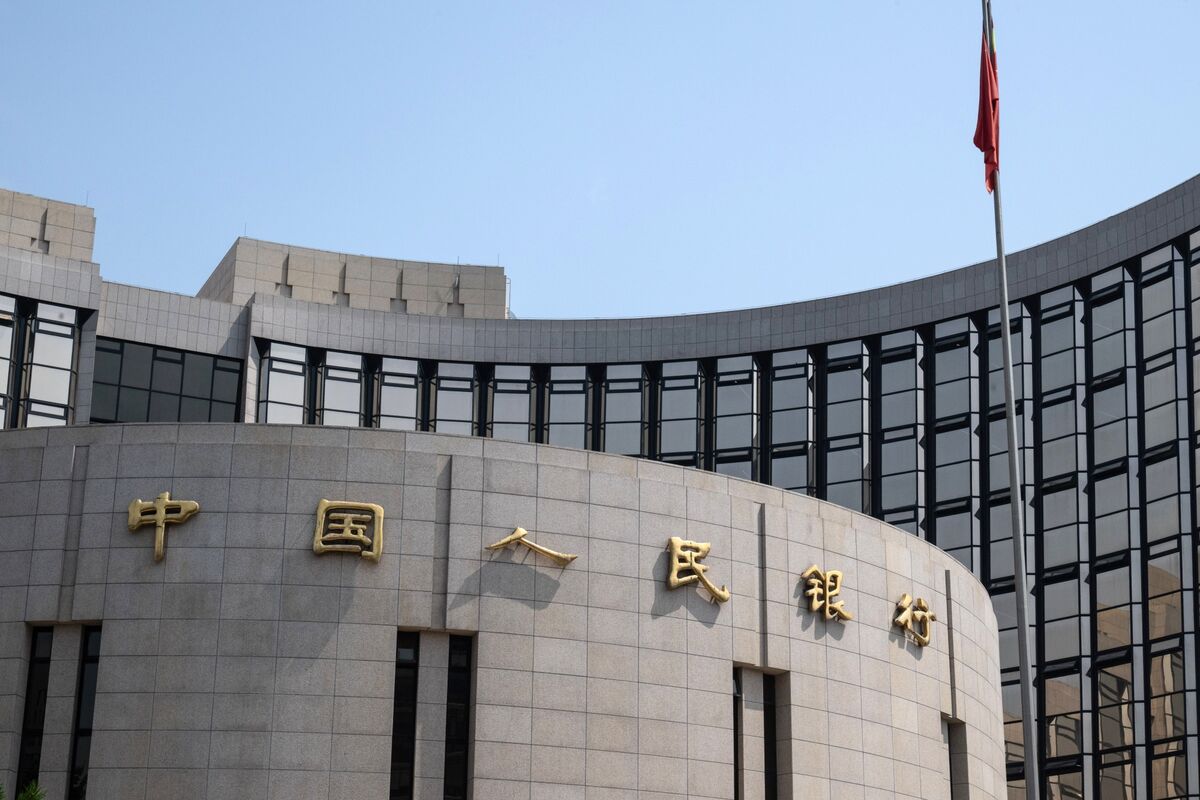
The People's Bank of China injected a net 600 billion yuan ($84 billion) of longer-term liquidity into its financial system this month, marking the largest such boost since January. This significant move, executed via one-year medium-term facilities and shorter-term reverse repos, aims to alleviate pressure from the bond market selloff and ensure adequate funding for the economy. In response, China's overnight money market rate declined, and bond futures rose.
The People's Bank of China has intensified its monetary easing by injecting a net 600 billion yuan ($84 billion) into the financial system this month, marking the largest provision of longer-term liquidity since January. The central bank's use of its one-year medium-term lending facility and multi-month reverse repos, rather than just overnight tools, signals a strategic effort to address sustained funding stress. This dovish action is a direct response to pressure in the domestic bond market and is intended to ensure adequate funding for a struggling economy. The immediate market reaction was consistent with the policy's objectives, evidenced by a decline in the overnight money market rate and a rally in bond futures, suggesting the measures are successfully easing liquidity constraints for now.
AI-powered research, real-time alerts, and portfolio analytics for institutional investors.
Request DemoOverall Sentiment
moderately positive
Sentiment Score
0.45
