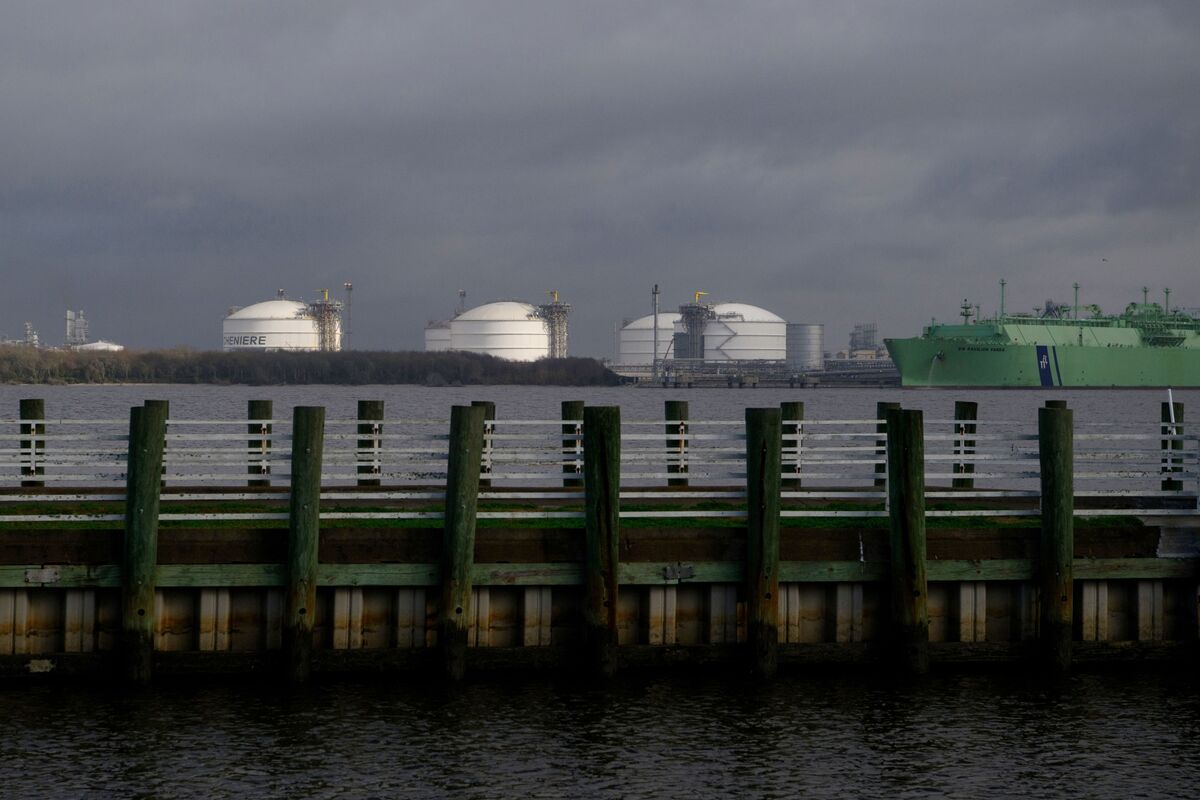
US natural gas futures fell as flows to LNG export terminals dropped to their lowest level since late January, leaving more supply in the domestic market. The move appears driven partly by market flows after Monday's oil-led inflows lifted gas prices, rather than by any immediate change in underlying gas demand. Near-term fundamentals are described as largely unaffected by Middle East tensions.
This looks less like a clean fundamental repricing and more like a positioning unwind layered on top of a temporary physical loosening. In US gas, the marginal buyer is often financial and algorithmic; when LNG feedgas softens, the market can gap lower quickly because the forward curve is already highly sensitive to export utilization assumptions. The second-order effect is that domestic storage injections can accelerate for a few weeks, pressuring front-month even if the medium-term export thesis remains intact.
The key winner here is the domestic gas stack outside LNG-linked basins: utilities, industrials, and power generators that consume gas should get a brief input-cost tailwind, while LNG developers and gas-weighted E&Ps face near-term multiple compression if investors extrapolate weaker feedgas too far. However, this is usually a short-duration signal unless it reflects plant outages or sustained maintenance; if the issue is operational rather than demand-driven, the downside is more about prompt spreads than the entire strip. The market is also vulnerable to a snapback if oil/risk assets soften and systematic flows reverse, since some of the recent strength appears flow-driven rather than weather-driven.
The contrarian view is that traders may be overestimating the durability of the decline. LNG demand is a global arbitrage story, and any normalization in plant utilization can tighten US balances fast, especially into shoulder-season volatility when storage expectations can shift materially. If the market is already short or underweight gas beta, the asymmetry favors a sharp rebound on even modest positive feedgas data or a colder-than-expected forecast revision.
The main risk to the bearish trade is timing: the next 1-3 sessions can remain weak if funds keep de-risking, but 2-6 weeks is where the setup becomes more fragile if export flows normalize. In other words, this is a tradeable dip, not yet a regime change.
AI-powered research, real-time alerts, and portfolio analytics for institutional investors.
Request DemoOverall Sentiment
mildly negative
Sentiment Score
-0.15
