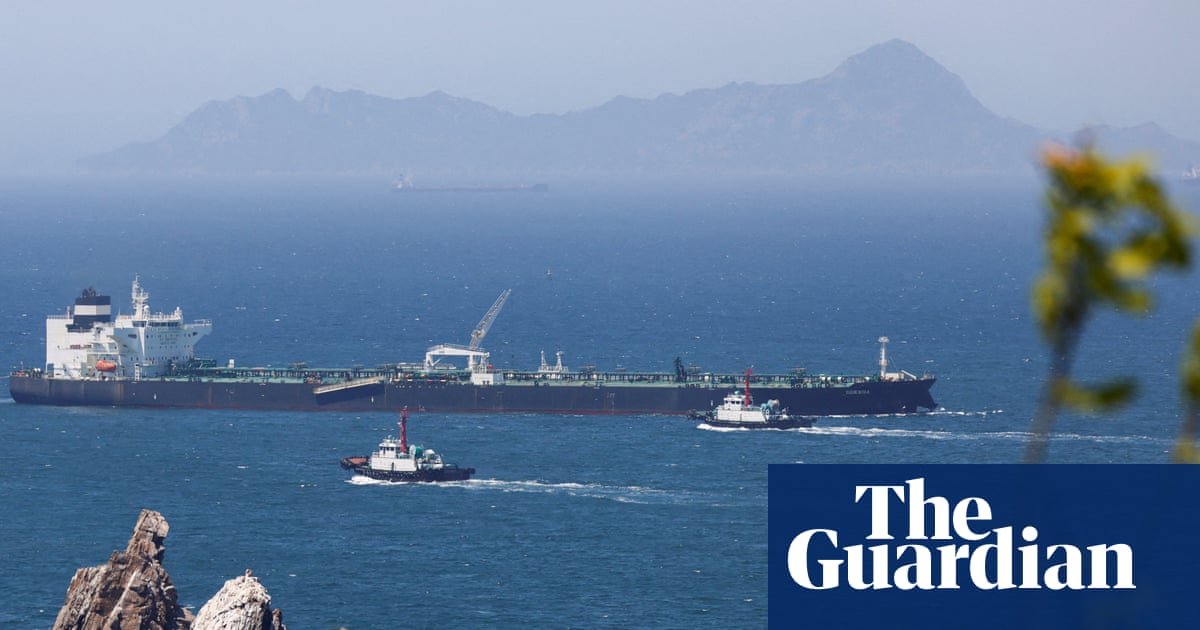
Brent crude fell to $83 a barrel after a US-Iran peace deal signaled reopening of the Strait of Hormuz, while wholesale gas prices dropped about 6%. The move eases immediate energy-supply shock risk, but prices may still hold in the $80-$90 range as depleted inventories are replenished and full normalization could take months to years. The deal reduces near-term recession and inflation risks, though political uncertainty and infrastructure damage keep the outlook fragile.
The immediate market move is a relief rally, but the bigger implication is that the oil market is shifting from an acute scarcity shock to a slower-burning inventory and logistics story. That matters because price can stay elevated even as the headline geopolitical premium fades: depleted emergency stocks, displaced tankers, and insurance friction create a multi-week squeeze that keeps prompt barrels valuable while flattening the back end. In other words, the first order down-move in crude is likely to be less important than the second-order persistence in refined products and regional freight costs.
The real asymmetry is in gas, not oil. LNG supply disruption is harder to unwind than seaborne crude because damaged processing infrastructure cannot be rerouted quickly, and buyers will compete for a smaller pool of cargoes until capacity is restored. That supports a relative trade in which European and Asian gas exposure remains cleaner than broad energy beta, while downstream industrials and transport names outside the US continue to face margin pressure even if Brent stabilizes in the low-$80s.
Politically, the incentive structure reduces the probability of an immediate re-escalation, but it does not eliminate it. A staged reopening actually gives both sides optionality: the US can claim de-escalation, while Iran preserves leverage by controlling the pace of normalization; that means every implementation milestone is a catalyst, and any delay should reprice risk quickly. The market’s biggest miss may be underestimating how much of the inflation impulse is now baked in for Q3 even if crude stays capped, which means rate-sensitive assets may not get the full relief they’re pricing today.
From a contrarian perspective, this looks like a volatility compression setup rather than a clean directional short in oil. If supply normalization is slower than headlines imply, Brent could spend months in a high-$70s to high-$80s range, which is bearish for energy momentum but still supportive for cash-generative upstream names with disciplined capex. The better trade is to fade the panic premium while staying exposed to any lingering scarcity in LNG and shipping constraints.
AI-powered research, real-time alerts, and portfolio analytics for institutional investors.
Request DemoOverall Sentiment
mildly positive
Sentiment Score
0.15
Ticker Sentiment
