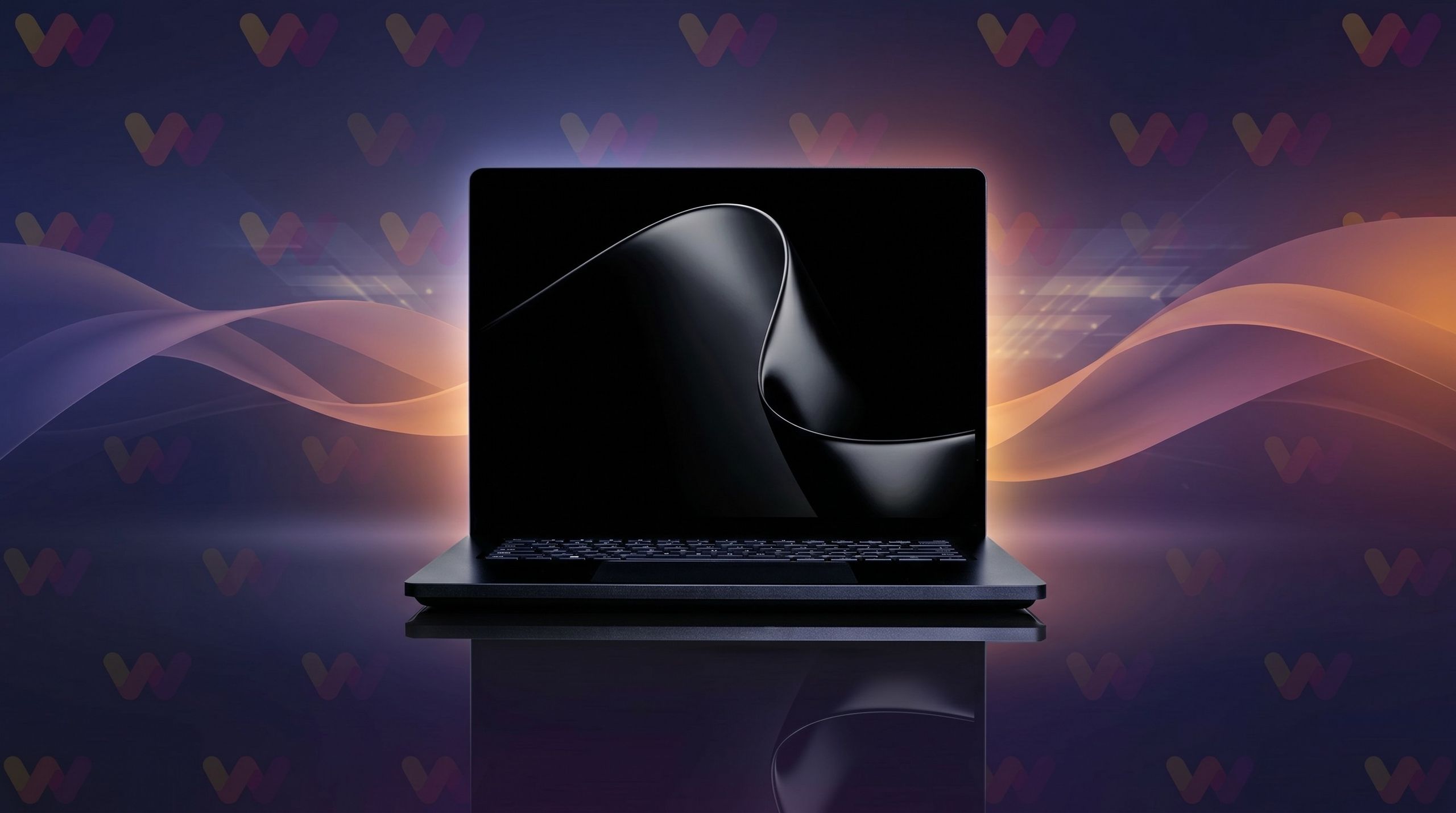
Microsoft announced the Surface Laptop Ultra, a new Windows on Arm flagship built with NVIDIA's RTX Spark/N1x platform, up to 128GB of unified memory, and a 15-inch mini-LED display with 2,000 nits peak brightness. The device targets AI development, workstation workloads, and gaming on Arm, with support for native titles and anti-cheat tools, but pricing and exact specs remain undisclosed until later this year. The news is strategically positive for Microsoft's Surface and AI ecosystem, though the immediate market impact is limited by the lack of pricing and availability details.
This is less a “new laptop” story than a signal that the PC stack is fragmenting into two distinct premium lanes: AI/workstation Arm with a discrete GPU, and everything else. That matters because it weakens the old Intel/AMD assumption that x86 owns the high end by default; if Microsoft can make Windows on Arm credible for creators and developers, the next marginal buyer in premium notebooks is more likely to compare ecosystems on software compatibility and thermals than raw CPU familiarity. The first-order beneficiary is NVDA, but the second-order effect is broader: every successful N1x design increases developer incentive to test, optimize, and ship native Arm builds, which is structurally supportive for QCOM as well.
The near-term market risk is less about demand and more about execution and supply elasticity. A 128GB unified-memory config plus mini-LED pushes BOM cost into a zone where pricing power must offset volatile memory inputs; if RAM/NAND stay tight for 1-2 quarters, gross margin assumptions could get pressured or availability constrained, turning the product into a halo rather than a volume driver. That would be bullish for ASP mix but limits unit upside, so investors should not extrapolate this into a broad PC replacement cycle without seeing enterprise deployment evidence over the next two to three refresh cycles.
The most interesting contrarian angle is that the announcement may be more negative for AMD than for Intel, despite AMD being the stronger gaming/graphics story in consumer PCs. NVIDIA’s entry changes developer priorities: once Windows apps and anti-cheat layers are meaningfully optimized for Arm, Qualcomm gets a free compatibility tailwind, while AMD remains stuck defending x86 share without a comparable platform narrative. If this category gains traction, the real losers are mid-tier x86 vendors that rely on “good enough” notebook chips; the premium workstation slice can absorb this, but the broader PC TAM could slowly bifurcate around software portability rather than silicon marketing.
AI-powered research, real-time alerts, and portfolio analytics for institutional investors.
Request DemoOverall Sentiment
mildly positive
Sentiment Score
0.35
Ticker Sentiment
