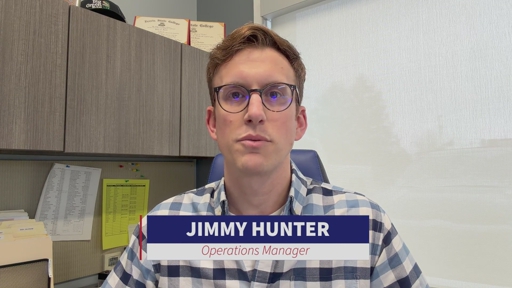
The article provides a pre-season AC checklist (replace the air filter, clear debris around the outdoor condenser, ensure indoor vents are open, test cooling performance, check the condensate drain line) to help prevent breakdowns and improve cooling efficiency before Bay County summer heat. It also recommends scheduling an AC tune-up in Bay City—potentially before peak demand—to have technicians inspect refrigerant levels, electrical connections, coils, and moving components and catch issues early. Overall, it’s practical home-maintenance guidance with no cited financial figures or direct market implications.
This is not a tradable company-specific catalyst; it is a reminder that residential HVAC is a highly seasonal, weather-driven market where revenue is usually pulled forward by heat, not by awareness content. The only measurable second-order effect is a modest shift from deferred emergency repair into planned tune-up and parts spending, which favors local service labor and aftermarket consumables more than OEMs.
For public equities, the relevant winners are the service/installation ecosystem if summer degree days spike: CARR, LII, TT, and JCI benefit when preventive maintenance turns into replacement decisions on older units, while HD/LOW can capture ancillary attach on filters, smart thermostats, and install financing. The loser is the emergency-only repair model; better maintenance reduces callouts and can compress near-term ticket size for service contractors, but that effect is too small to matter at sector scale unless a heat wave materially lifts unit failures.
Risk/catalyst timing is mostly weather and utility-bill driven over days to months, not this article. The real reversal trigger is mild July/August temperatures or a soft housing backdrop, which would delay replacement cycles and push consumers back into patch-and-extend behavior; conversely, a hot summer plus evidence of aging installed base would be the structural bullish setup over 6-18 months. Consensus is probably over-reading the educational piece itself; the signal is essentially zero unless regional degree days or OEM commentary confirm a demand inflection.
AI-powered research, real-time alerts, and portfolio analytics for institutional investors.
Request DemoOverall Sentiment
neutral
Sentiment Score
0.05
