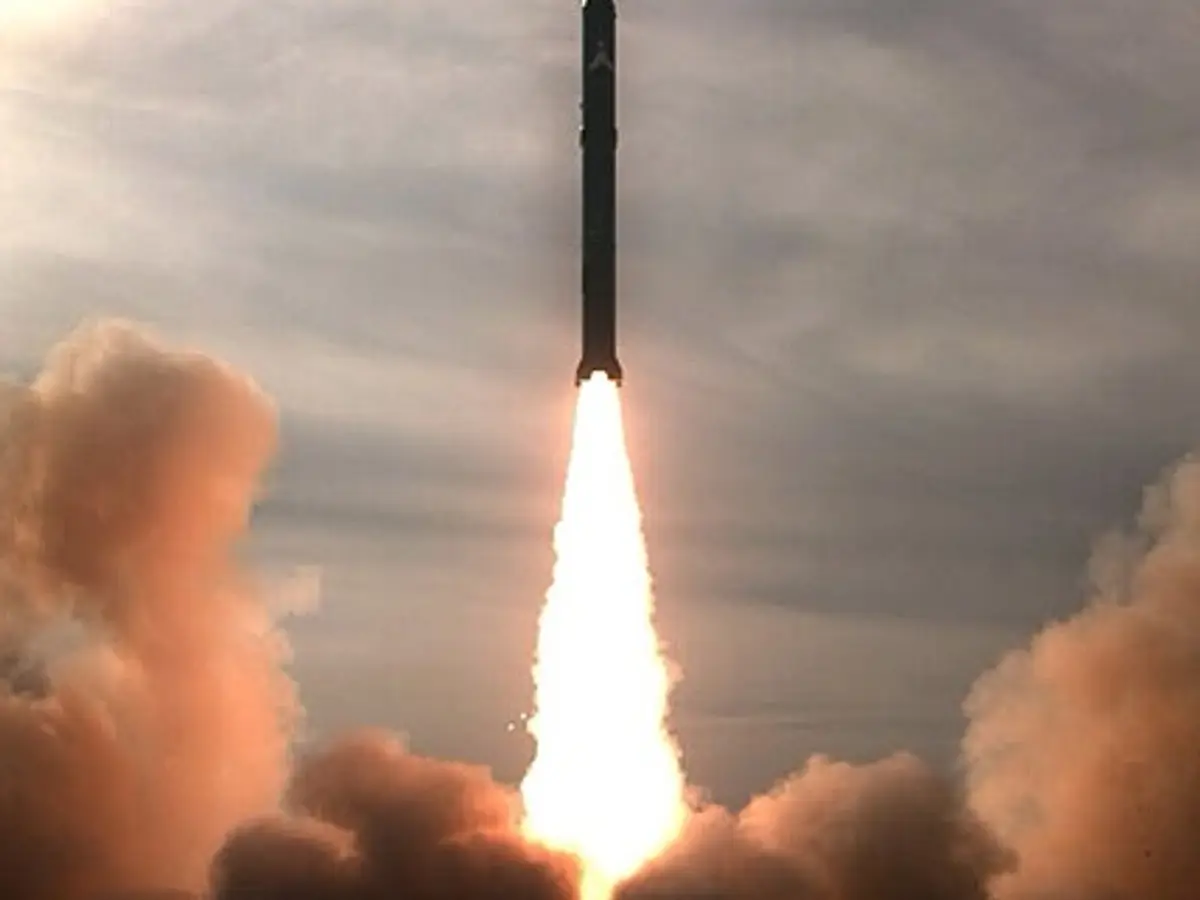
2,000 km-range Sejjil medium-range ballistic missiles (payload ~700 kg) were used by Iran to strike US and Israeli positions, marking their first operational combat use and signalling escalation. Sirens sounded in over 140 locations in Tel Aviv on March 15 and missile fragments damaged residential areas and a US consulate residence; earlier tests reached ~1,900 km and a tested Sejjil-3 variant is reported to have up to ~4,000 km range. The Sejjil's solid-fuel, two-stage design enables rapid launch and greater survivability versus liquid-fuel missiles, increasing short-notice strike risk and likely prompting risk-off market moves and heightened regional military/defense positioning.
The operationalization of a new, harder-to-preempt regional strike capability will compress adversary decision time and short-circuit existing missile-defense inventories; expect immediate demand for interceptors, spare parts, logistics support and sensor tasking that has a multi-quarter procurement and replenishment cadence. That creates a two-tier revenue stream for prime defense contractors: near-term aftermarket sales and logistics (visible within 1–3 quarters) and follow-on multi-year program awards for layered defenses and ISR upgrades (12–36 months).
Financial markets will bifurcate along real-economy and confidence channels: travel, tourism and freight exposed to Middle East transit will feel the shock in days-to-weeks via cancelations and route diversions, while energy markets will only reprice sustainably if chokepoints or insurance costs force persistent rerouting — a 6–12 month scenario. Credit and specialty P&C insurers face concentrated, correlated claims that could push reinsurance terms harder and catalyze rate resets in upcoming renewals.
The consensus trade — immediate defense longs and blanket risk-off into gold — is directionally right but misses where margin accrues: hardware primes that also control sustainment, software-guided interceptors, and ISR/data analytics capture higher-margin, recurring revenue versus one-off munition sales. De-escalation remains the main reversal risk; a credible diplomatic ceasefire or rapid attrition of launch capacity would unwind risk premia in 2–8 weeks, so position sizing should reflect elevated event risk and non-linear outcomes.
AI-powered research, real-time alerts, and portfolio analytics for institutional investors.
Request DemoOverall Sentiment
strongly negative
Sentiment Score
-0.85
