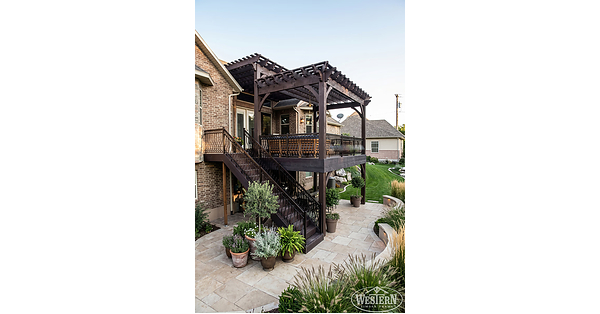
Western Timber Frame says safety risks from metal pergolas in extreme heat are driving demand: in testing, metal surfaces reached 144°F and regulators note metal in direct sun can burn skin in seconds (pain threshold 111°F; second-degree burns 131°F). The company positions wood pergolas as safer to touch due to much lower heat transfer, alongside engineered durability (115 mph wind standard; 160+ mph in hurricane regions). Overall, this is a product/safety-focused market narrative with no clear financial metrics, implying limited near-term impact beyond the niche outdoor-structure segment.
This is more of a theme-check than a stock catalyst. The only clearly mapped public beneficiary is SHW, and even there the exposure is indirect: if safety, heat retention, and maintenance concerns push homeowners toward wood over aluminum, the monetization is in premium exterior coatings, stains, sealers, and repaint cycles rather than in any dramatic unit volume shift. That means the near-term impact is likely a mix improvement story, not a top-line step function; useful for sentiment, probably not enough to move valuation on its own.
The bigger second-order effect is on the aluminum patio/pergola ecosystem and installation contractors that sell "low-maintenance" outdoor structures. If the market starts treating surface-temperature safety as a purchase criterion, aluminum suppliers lose on spec sheets while wood/timber and composite-adjacent products gain share; but that substitution is still niche unless builders, HOAs, or insurers formalize it. For SHW, any benefit is only as durable as homeowners’ willingness to pay for UV-grade finishes and periodic upkeep.
The contrarian take is that this may already be over-modeled as a climate-driven demand shift. A PR push from a single manufacturer is not independent evidence of category adoption, and the structural question is whether consumers actually trade off maintenance burden versus comfort enough to alter procurement behavior. Falsifiers are simple: if summer heat moderates, if DIY/home-improvement spending slows, or if SHW commentary does not show any pickup in exterior premium product mix over the next 1-2 quarters, the thesis has no legs.
AI-powered research, real-time alerts, and portfolio analytics for institutional investors.
Request DemoOverall Sentiment
mildly positive
Sentiment Score
0.15
Ticker Sentiment
