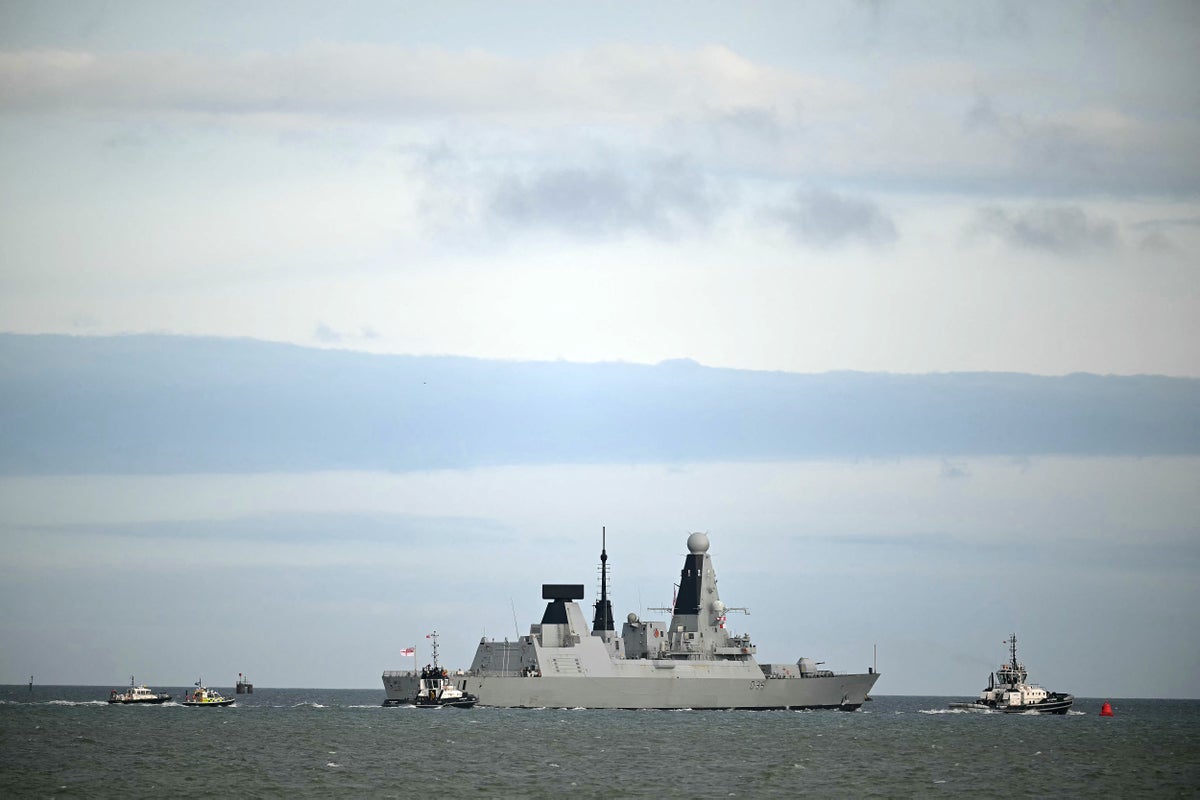
Tensions around the Strait of Hormuz remain elevated as the UK redeploys HMS Dragon for a potential multinational shipping-protection mission and the US continues strikes and sanctions tied to the Iran conflict. The US Treasury sanctioned 10 people and companies over support for Iran's weapons supply chain, while reports say Iran may withstand the blockade for 3-4 more months and retain about 70% of its missiles. Any disruption to Hormuz transit threatens global oil and gas flows, keeping energy markets and broader risk sentiment under pressure.
The market is still mispricing the difference between a ceasefire headline and a durable maritime risk regime. Even if kinetic intensity fades, the more important shift is that the Strait can now be intermittently policed by multiple actors, which raises the cost of every crossing via insurance, routing, and tanker availability rather than just through spot crude spikes. That creates a slower-burn inflationary impulse in freight, refined products, and LNG differentials that can persist well after headlines cool.
The most underappreciated second-order effect is fragmentation of energy logistics, not just higher oil prices. If Gulf flows become less reliable, European and Asian buyers will pay up for flexibility: floating storage, shorter-haul barrels, and vessels with cleaner security profiles. That is constructive for U.S. exporters, select tanker names, and midstream assets with Gulf Coast leverage, while it is negative for refiners and import-dependent carriers that cannot pass through higher bunker and insurance costs quickly.
The sanctions package is also a forward indicator: Washington is signaling it will use financial enforcement to suppress Iran’s reconstitution, which increases compliance risk for banks, traders, and shipping intermediaries with any Middle East or China adjacency. The real earnings risk is not just lost cargoes, but a broader chilling effect on trade finance and letters of credit, which can freeze activity long before physical flows are materially interrupted. This makes the next 2-6 weeks the key window: any failure to secure a real maritime framework likely re-prices volatility across energy, defense, and transport.
Contrarianly, the consensus may be too eager to fade the conflict premium because the blockade optics look contained. But contained is not the same as resolved: a low-frequency disruption environment can be more bullish for energy volatility sellers than outright long crude, since implied vol may remain elevated while directionality becomes headline-driven. The better setup is to own assets that monetize friction in trade rather than raw commodity beta.
AI-powered research, real-time alerts, and portfolio analytics for institutional investors.
Request DemoOverall Sentiment
strongly negative
Sentiment Score
-0.72
