
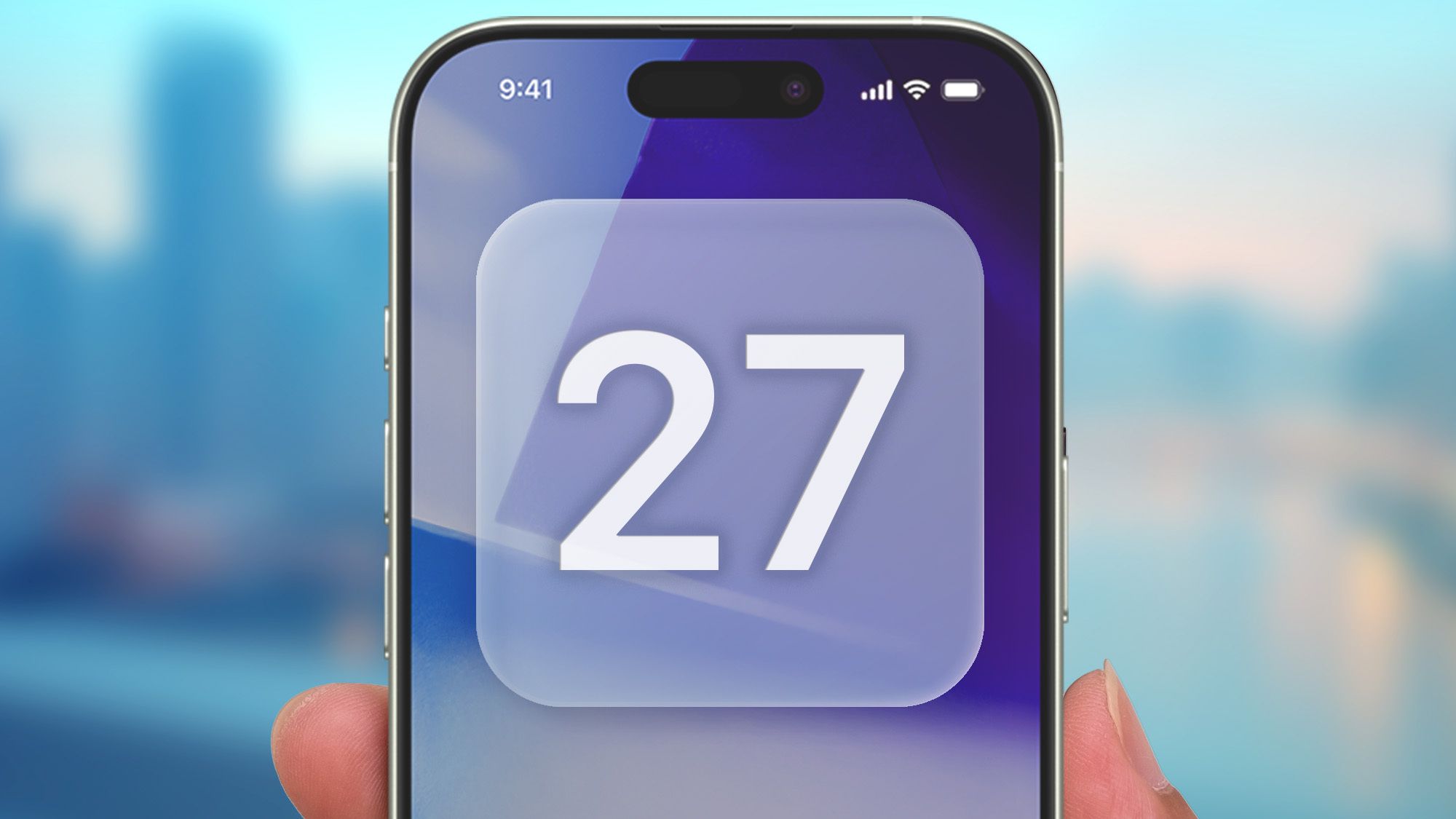
Apple is expected to launch iOS 27 at WWDC 2026 on June 8, with iPhone 12 and newer likely to remain supported while the iPhone 11, iPhone 11 Pro, and iPhone 11 Pro Max are the most likely models to lose upgrade eligibility. The article also flags the iPhone SE 2020 as a possible cut, but says Apple will not confirm compatibility until the beta device list is released. This is a routine product-support update with limited direct market impact.
The market implication is not the headline support cutoff itself, but the implied segmentation of the installed base into monetizable hardware cohorts. If Apple narrows iOS 27 feature access to newer devices, the real economic lever is not unit replacement velocity near-term, but higher attach rates to services and accessories among users forced into a “good enough but not fully featured” experience. That tends to prolong the revenue life of mid-cycle devices while quietly increasing the perceived obsolescence gap versus Pro models, which can lift ASPs without needing a broad upgrade wave.
Second-order winners are the premium hardware mix and the ecosystem trap, not necessarily the stock on day one. Every year Apple can restrict flagship software capabilities to newer silicon, it reinforces a two-tier customer base: price-insensitive users who upgrade for features, and everyone else who stays put but remains locked into services. That dynamic is mildly negative for the lower-end iPhone refresh cycle, but constructive for gross margin because mix shifts toward Pro models with higher contribution margins and better financing/upgrade-program economics.
The key risk is that the market already treats support-extension as a recurring annual drumbeat, so the incremental value of another compatibility change may be underwhelming unless Apple Intelligence-like features become visibly indispensable. The contrarian angle is that cutting off older devices can backfire if it slows ecosystem goodwill and pushes more users toward longer replacement cycles, especially in a high-rate environment where consumers are stretching device lifetimes. If the beta list proves broader than expected, the trade becomes a non-event; if Apple uses iOS 27 to gate a meaningful AI layer, the upgrade narrative could reaccelerate into the next hardware launch window.
From a timing perspective, this is a months-long catalyst into WWDC and the fall release, not a days trade. The most actionable setup is relative: premium iPhone mix is likely to improve before unit growth does, which matters more for earnings revision than headline shipment data.
AI-powered research, real-time alerts, and portfolio analytics for institutional investors.
Request TrialOverall Sentiment
neutral
Sentiment Score
0.00
Ticker Sentiment
