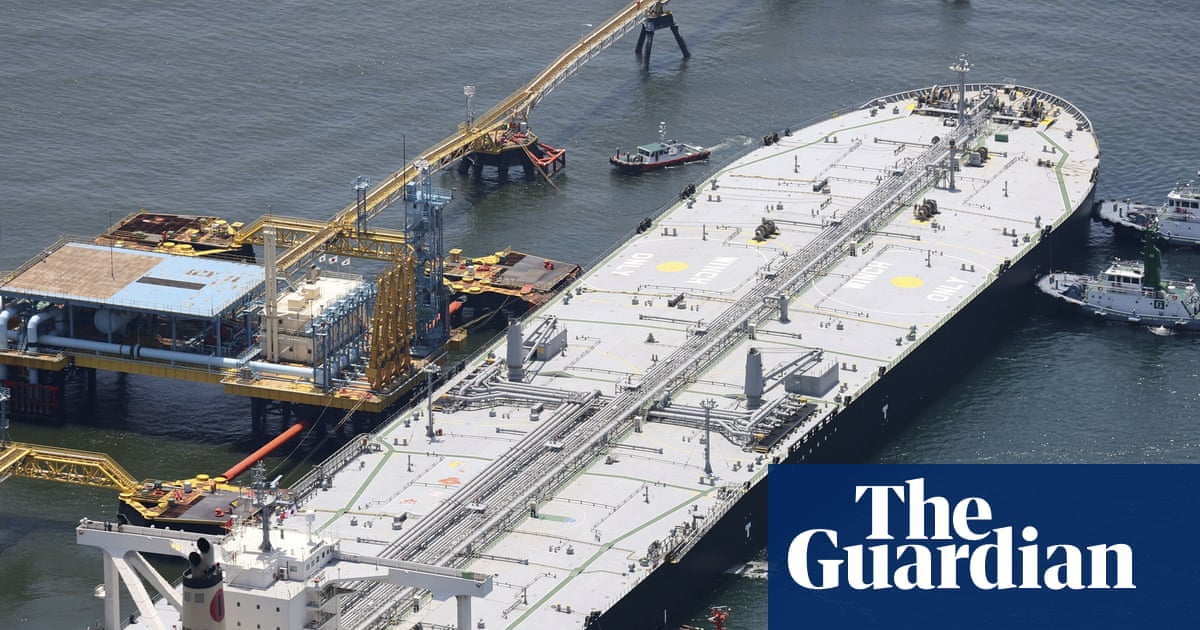
Brent crude fell 5.5% to just below $98 a barrel, the lowest in two weeks, as markets priced in progress toward a US-Iran peace deal and a possible reopening of the Strait of Hormuz. Equities rose, with Japan’s Nikkei up nearly 3% and the Stoxx 600 up 0.8%, while the dollar slipped 0.25% and sterling gained 0.5% to $1.3492. The move eases some inflation and rate-hike pressure, but traders remain cautious given repeated past breakdowns in talks.
The market is pricing a de-escalation premium before it has proof, and that matters because the first-order move in crude is only the beginning. If geopolitical risk premia bleed out, the bigger winners are duration-sensitive assets that were repriced for sticky inflation: front-end rates, high-beta equities, and import-heavy cyclicals. But the adjustment may be asymmetric because oil can fall quickly on hope, while any renewal of Strait-related risk would reinsert a supply shock in hours, not weeks.
The second-order effect is on central bank reaction functions. A lower oil path can flatten breakevens and unwind some of the hawkish repricing that hit rates markets, which is supportive for long-duration equities and rate-sensitive FX like GBP if the BoE is seen as having more room to pause. Conversely, energy producers and shipping-linked inflation beneficiaries face immediate multiple compression as the market shifts from scarcity pricing to mean reversion, even if the physical balance has not materially changed.
The consensus is likely underestimating how fragile this risk-on move is: these rallies tend to overshoot in the first 24-72 hours on headlines, then fade unless there is a hard verification signal. The key watch item is not just diplomacy but logistics—any improvement in flow through the choke point would validate a larger unwind in inflation hedges; if not, crude can snap back to the prior range rapidly. In other words, the current trade is less about oil fundamentals than about the market removing an embedded tail-risk premium.
There is also a tactical opportunity in relative value: if crude keeps softening, inflation beneficiaries should underperform growth and rate sensitives, but if talks stall, the reversal will be strongest in crowded shorts to energy and crowded longs in duration assets. That argues for defined-risk structures rather than outright directional bets, because the headline path will likely remain binary and gap-prone over the next 1-3 weeks.
AI-powered research, real-time alerts, and portfolio analytics for institutional investors.
Request DemoOverall Sentiment
mildly positive
Sentiment Score
0.20
Ticker Sentiment
