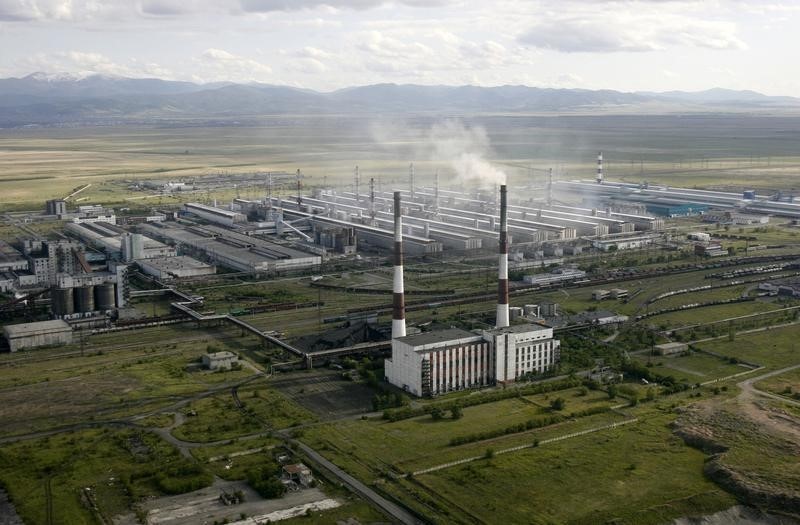
Ukraine’s second drone strike this month on PhosAgro’s Apatit fertilizer complex in northwest Russia damaged a high-pressure sulfuric acid pipeline and injured five workers, though the leak was contained. The attack adds to supply-risk concerns in fertilizers and agricultural commodities at a time when global fertilizer prices have roughly doubled since the Middle East war began and the Strait of Hormuz remains effectively shut. The escalation increases volatility for fertilizer producers and broader food-input markets.
The market is likely underestimating the second-order effect here: repeated attacks on fertilizer infrastructure do not just hit one producer, they tighten the entire input chain for nitrogen, sulfur, and potash derivatives with a lag that shows up first in spot premiums and then in planting decisions. That makes the near-term winner not the attacked asset but the diversified global producers with export optionality and lower geopolitical drag, while European and EM downstream buyers face margin compression as input costs reprice faster than crop prices.
The bigger trade is duration of disruption. If infrastructure strikes remain episodic, the move stays tactical and the commodity complex may mean-revert in days to weeks; if they become normalized, insurers, shippers, and commodity merchants will begin embedding a persistent war-risk premium, which can keep fertilizer and grain volatility elevated for multiple quarters. The key catalyst is whether alternative supply can fill the gap quickly enough through the next planting cycle; if not, this becomes a 2H earnings story for ag-input suppliers rather than a headline-only event.
Consensus may be too focused on the immediate Russian supply shock and not enough on the reaction function elsewhere. Higher fertilizer prices can become self-defeating by reducing application rates, which can cap demand and eventually soften pricing, but that usually takes one to two seasons to matter. In the meantime, the cleaner relative-value expression is to own companies with pricing power and short-cycle pass-through, while fading exposed downstream fertilizer users and ag retailers if crop input costs stay elevated.
A separate contrarian risk is that the market is already long the geopolitical premium across the whole ag complex, so upside may be better in volatility than direction. If the Strait of Hormuz issue eases or Russia/other exporters loosen curbs, fertilizer prices can retrace quickly, hitting the most levered names first. That argues for using options rather than outright cash equity where the repricing could unwind sharply on a policy headline.
AI-powered research, real-time alerts, and portfolio analytics for institutional investors.
Request DemoOverall Sentiment
moderately negative
Sentiment Score
-0.35
