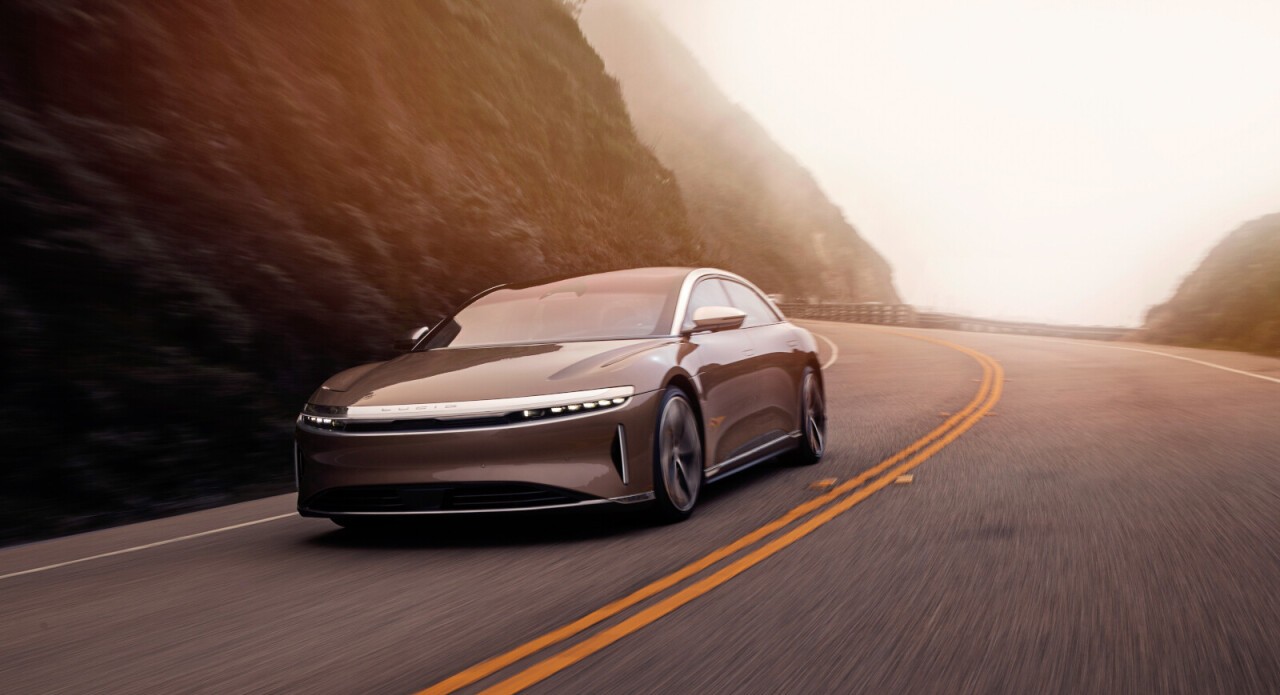
Cold weather can reduce EV range by roughly 10% to 30% by slowing battery chemistry, increasing cabin-heating and battery-warming loads, and raising rolling and aerodynamic resistance. Regenerative braking is also limited until the pack warms up, further lowering efficiency. The article frames these impacts as expected physics rather than a defect and recommends preconditioning, seat heaters, keeping charge above 20%, and smoother driving to mitigate the range loss.
The market implication is not that EV demand collapses in winter, but that real-world utility becomes more uneven at the exact moment consumers are most sensitive to range anxiety. That tends to benefit manufacturers with larger battery buffers, stronger thermal-management software, and heat-pump-equipped fleets, while exposing smaller OEMs that marketed headline range as a key differentiator. The second-order effect is on residual values: winter-heavy geographies can see a bigger spread between advertised range and owner experience, which can pressure used-EV pricing and leasing economics over the next 2-3 quarters.
The less obvious winner is charging infrastructure and software, not cell suppliers. If preconditioning, route planning, and cabin/battery thermal optimization become the differentiators, value accrues to OEMs and platform providers that can monetize software features or bundle them into subscriptions. Conversely, utility and grid-adjacent operators may see a modest demand bump during cold snaps as more energy is shifted from at-home charging to workplace/public top-ups, but this is episodic rather than structural.
From a risk lens, the main catalyst is weather: the effect is immediate in days to weeks, but the investment consequence is more gradual because consumers mostly learn by experience at the next cold spell. The contrarian view is that the market already knows winter hurts EV range, so the obvious short on EVs is likely overdone; the better trade is dispersion within the group. The real underappreciated risk is not lower unit sales, but higher warranty, goodwill, and lease-return costs for brands that under-spec thermal systems or overpromise usable winter range.
AI-powered research, real-time alerts, and portfolio analytics for institutional investors.
Request DemoOverall Sentiment
neutral
Sentiment Score
0.05
