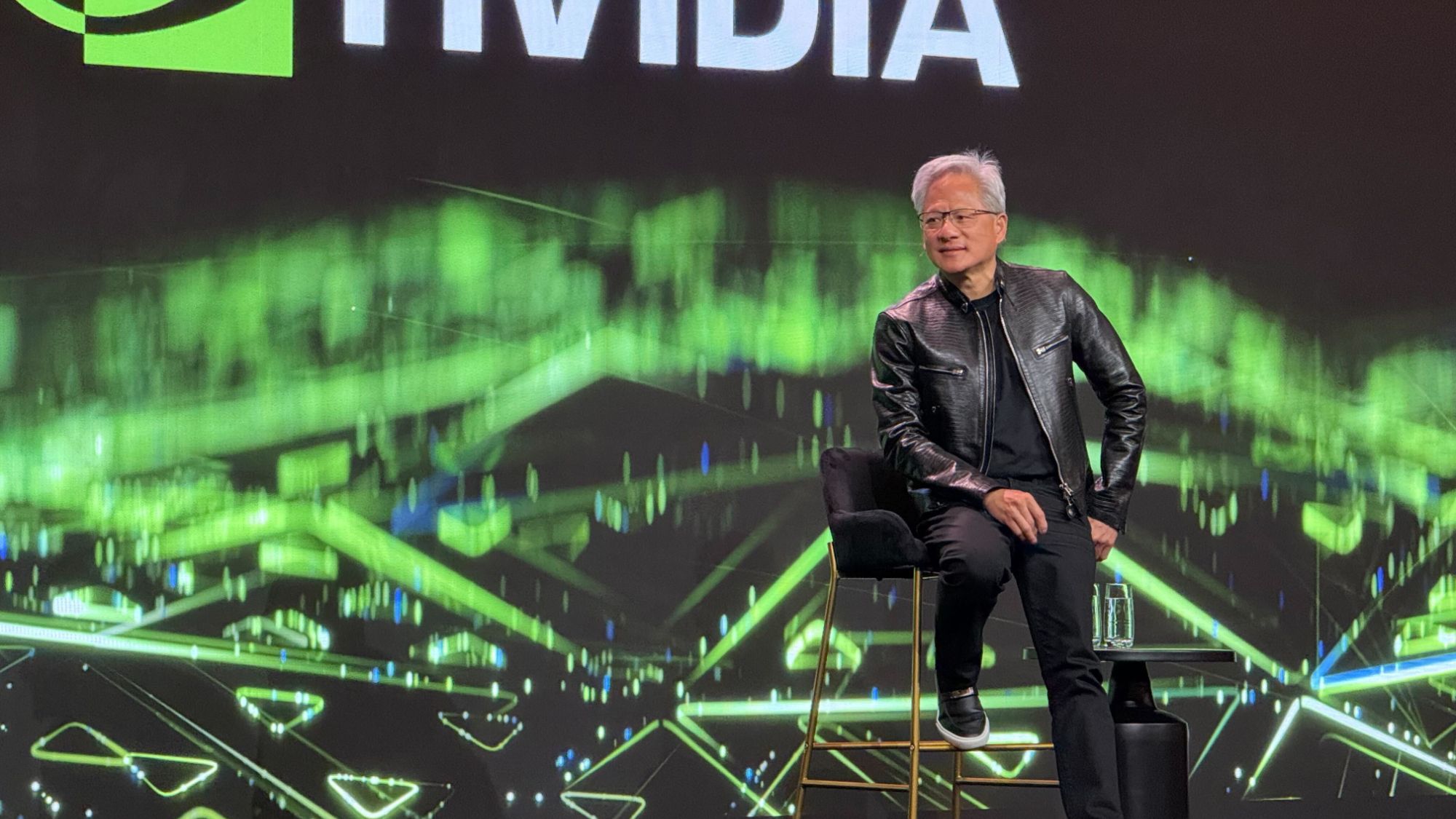
Nvidia denied a rumor that it is in talks to acquire any PC maker, stating the media report is false. The denial followed speculation that lifted HP and Dell shares by more than 5% after the rumor circulated. The article is primarily rumor clarification rather than a confirmed strategic move, so the direct market impact appears limited.
The immediate move is a classic rumor-driven squeeze in low-conviction names, but the more important signal is that investors are still willing to assign optionality value to any platform expansion narrative around the AI stack. That tells you positioning in NVDA is probably still crowded on core AI GPU exposure, while HPQ/DELL remain under-owned enough that even an unconfirmed strategic rumor can force fast short covering. Strategically, the denied transaction is actually mildly negative for the OEMs over a 6-18 month horizon because it removes a speculative takeout premium and keeps the market focused on secular PC softness, margin pressure, and inventory normalization. For NVDA, the bigger issue is not M&A but ecosystem trust: any credible move into server assembly or vertical integration would have raised partner-channel conflict and could have triggered procurement caution among hyperscalers and enterprise buyers. The contrarian read is that the market is likely overpricing headline M&A probability and underpricing the signaling value of the denial. A clean denial reduces near-term regulatory overhang and protects relationship capital with channel partners, which matters more than a one-day move in HPQ/DELL. If NVDA wants to extend into systems, it can do so through partnerships and reference designs; ownership of an OEM is a low-probability, high-friction path that would dilute returns on capital and invite scrutiny. Near term, expect the air pocket in HPQ/DELL to fade quickly unless a second source validates the original report. The higher-probability trade is to fade the rumor move once intraday momentum breaks, while keeping an eye on whether the market starts to reprice NVDA’s system-level ambition through supplier and customer relationships rather than M&A headlines.
AI-powered research, real-time alerts, and portfolio analytics for institutional investors.
Overall Sentiment
neutral
Sentiment Score
0.05
Ticker Sentiment
