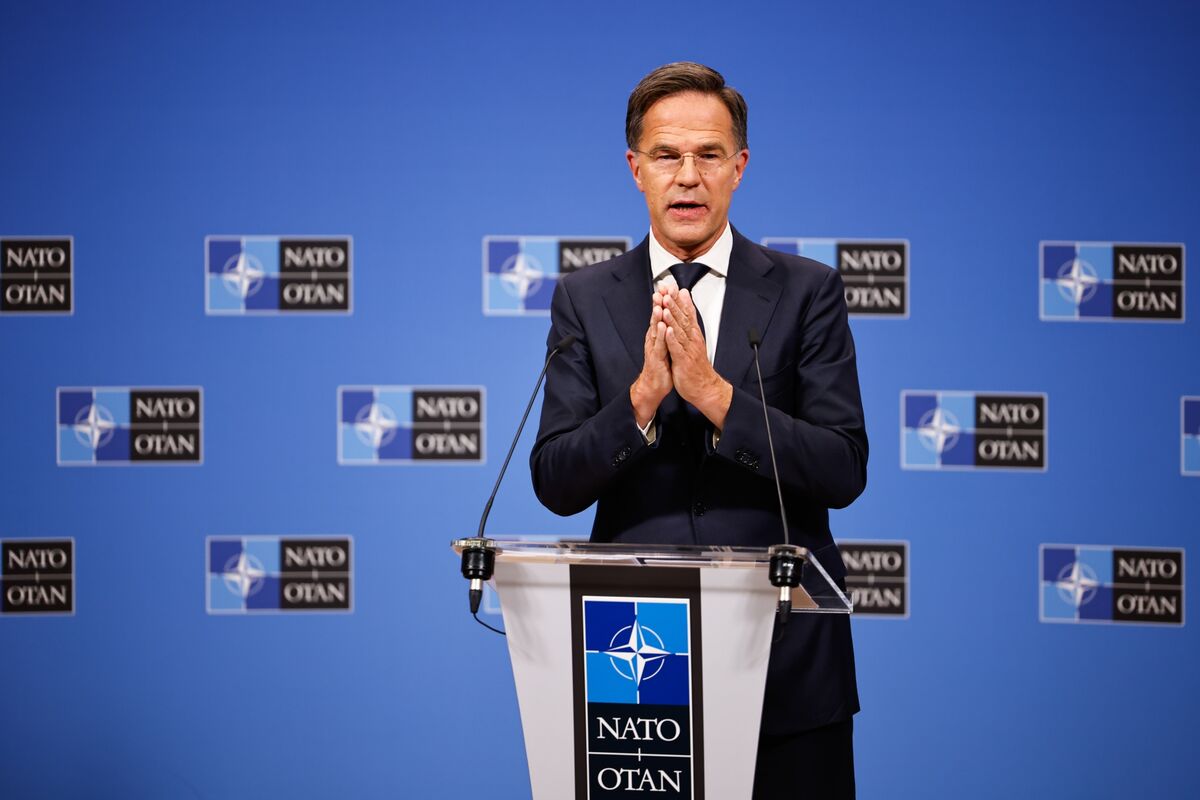
NATO allies are demonstrating internal divisions regarding an appropriate response to recent Russian aircraft incursions into their airspace. While Poland and Baltic states advocate for a more aggressive stance, Germany is pushing for a cautious approach, highlighting geopolitical tensions and potential implications for regional defense strategies and stability.
A significant fissure is emerging within the NATO alliance concerning the strategic response to Russian military aircraft incursions, creating a climate of geopolitical uncertainty. The public contradiction between member states, specifically pitting Poland and the Baltic nations' preference for a more aggressive posture against Germany's push for caution, signals a potential weakening of the alliance's unified deterrent capability. This internal division, reflected in the moderately negative sentiment and uncertain tone signals, elevates the risk premium for assets in the region. While this instability is a headwind for broader European market stability, the heightened perception of threat, particularly among frontline states, is likely to act as a catalyst for sustained or increased national defense spending, directly supporting the outlook for the defense and aerospace sector.
AI-powered research, real-time alerts, and portfolio analytics for institutional investors.
Request DemoOverall Sentiment
moderately negative
Sentiment Score
-0.50
