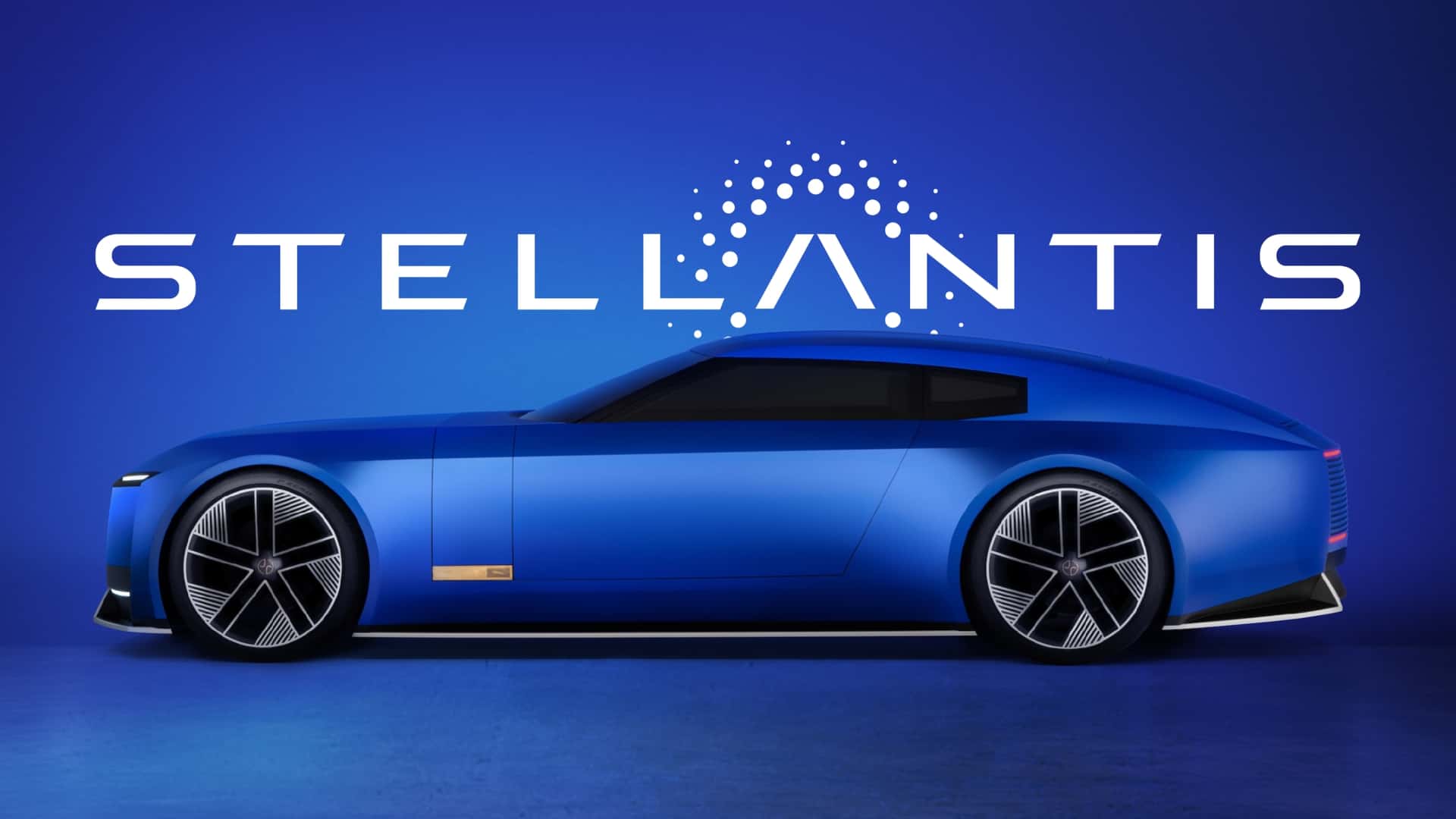
Stellantis and Jaguar Land Rover signed a non-binding memorandum of understanding to explore product and technology collaboration in the United States, with potential shared platforms, technologies, or production facilities. The partnership could help JLR offset £410 million in tariff costs incurred last year and give Stellantis a way to better utilize underused factories. The announcement is strategically positive but remains preliminary and non-binding, so near-term market impact should be limited.
This is less about a headline partnership and more about industrial balance-sheet engineering. For Stellantis, the key second-order effect is capacity monetization: any shared architecture or North American build arrangement can improve fixed-cost absorption at underutilized plants, which is disproportionately valuable in a low-margin cycle. For JLR, the economic value is not strategic optionality but tariff avoidance and faster U.S. localization, which could protect mix and pricing power if management can move from MoU to a tangible production footprint within 12-24 months.
The market should focus on who gets operating leverage first. If Stellantis becomes the contract manufacturing or platform-sharing hub, it can convert idle capacity into higher utilization with limited capex, which is a cleaner earnings lever than chasing pure volume growth. That also raises the bar for other OEMs with excess North American capacity: the signal here is that stranded plants may become negotiating chips, which could benefit peers with flexible manufacturing footprints while pressuring those relying on imports into the U.S.
The risk is execution slippage and political noise. A non-binding agreement can fade quickly if the two sides cannot reconcile brand positioning, regulatory homologation, or margin splits; that makes the near-term trade more about sentiment than fundamentals. Over a 3-9 month horizon, the real catalyst is whether Investor Day turns this into a concrete capital-allocation story for STLA; if not, the move likely retraces as investors refocus on earnings quality and guidance credibility.
Consensus may be underestimating how asymmetric this is for JLR versus Stellantis. JLR has more to gain because it is buying time against tariff leakage and U.S. growth constraints, whereas Stellantis is mainly selling industrial capacity and technical optionality. The market may overreact to the strategic romance of the tie-up, but the actual value creation will depend on whether this becomes a localized production solution rather than a vague platform-sharing exercise.
AI-powered research, real-time alerts, and portfolio analytics for institutional investors.
Request DemoOverall Sentiment
mildly positive
Sentiment Score
0.15
Ticker Sentiment
