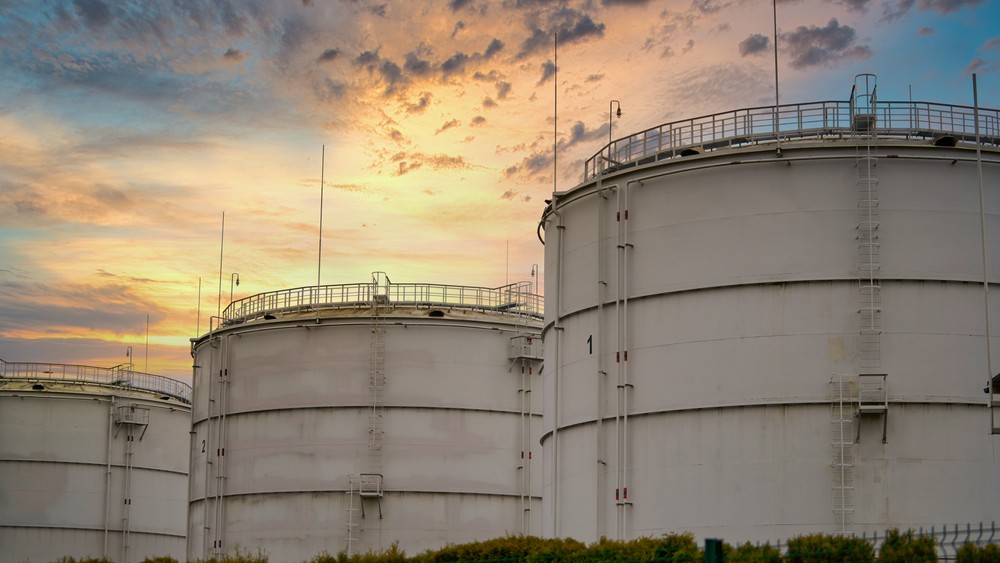
The IEA warned that global oil inventories were drawn down by 250m barrels in March and April, with around 4m barrels per day tapped from back-up supplies in April amid a severe supply shock linked to the war in Iran and restricted Strait of Hormuz traffic. Global oil supply fell 1.8m b/d in April to 95.1m b/d, total losses since February reached 12.8m b/d, and more than 14m b/d is now shut in, raising inflation and jet fuel supply risks. OPEC simultaneously cut its 2026 global oil demand growth forecast to 1.2m b/d from 1.4m b/d, while Brent traded around $107.43 after peaking near $140-$141 during the tensions.
This is a classic inventory-draw shock, but the second-order effect is that the market is underpricing duration. Once floating and onshore stocks are pulled down this fast, the system loses its buffer against any smaller follow-on disruption; that means volatility stays elevated even if headline flows improve. In practice, that shifts pricing power from producers to anyone with optionality on delivery timing, storage, or freight, while forcing refiners and end-users to pay up for reliability rather than just barrel cost.
The near-term losers are not just airlines and petrochemicals, but also refiners with a heavy middle-distillate slate and weak procurement flexibility. If crude stays firm while product availability tightens, crack spreads can move violently in either direction depending on regional feedstock access, creating dispersion across downstream equities rather than a simple “energy up” trade. The more interesting read-through is inflation persistence: even if oil peels back from the spike, pass-through into jet, diesel, and plastics should keep the market focused on second-round pricing pressure for several months.
The biggest contrarian issue is that positioning may already be crowded, but the macro response is not. Historically, oil shocks that are supply-led rather than demand-led keep risk assets weak longer than consensus expects because policymakers cannot offset them quickly without creating new geopolitical constraints. The key catalyst is not whether Brent revisits the extreme; it is whether a credible corridor reopening or coordinated release restores confidence in forward supply, which would likely take weeks to show up in inventories and longer to normalize freight and refining behavior.
AI-powered research, real-time alerts, and portfolio analytics for institutional investors.
Request DemoOverall Sentiment
strongly negative
Sentiment Score
-0.78
