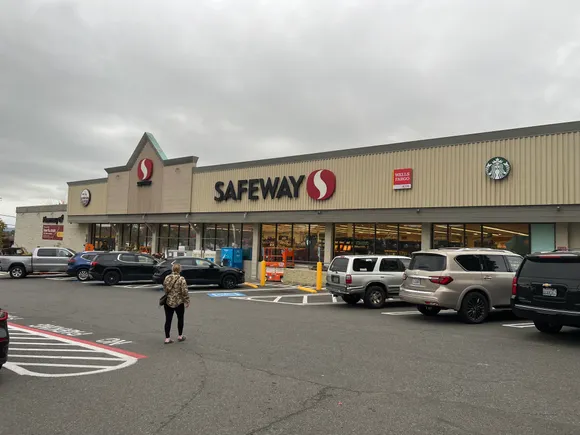
Washington state filed a lawsuit against Albertsons alleging overcharging in more than 3.19 million BOGO transactions from October 2019 to May 2024, with nearly $19.7 million in alleged price manipulations. The complaint says Safeway, Haggen and Albertsons banners inflated prices before promotions and then lowered them afterward, potentially violating state consumer protection law. Albertsons disputes the claims, but the case adds to regulatory scrutiny and litigation risk around its pricing practices.
This is less about a single lawsuit and more about the erosion of pricing trust in a category where consumer perception is everything. For grocers, the hidden cost is not the headline legal exposure but the likely need to re-engineer promo architecture, which can compress gross margin, slow turn, and reduce the effectiveness of traffic-driving promotions across banners. That matters most for ACI because BOGO is not just a marketing tactic; it is a core mechanism for basket formation and vendor funding negotiation.
The second-order risk is regulatory diffusion. Once an AG shows a workable theory and a quantifiable damages frame, plaintiffs’ firms and other states will likely pursue copycat claims, creating multi-year settlement overhang and forcing higher compliance spend. The more durable damage is reputational: if shoppers believe promotional pricing is manipulated, they trade down, cherry-pick, or migrate share to discounters and club retailers that can advertise simpler, more transparent value.
Near term, the stock can react in two distinct phases: an initial headline-driven drawdown, then a slower re-rating as investors price in discovery risk, remediation costs, and the possibility of broader pricing scrutiny. The counterpoint is that this may be more solvable than the market fears if management can demonstrate pricing governance and absorb a settlement without material EBITDA damage; however, that does not remove the strategic issue that promo intensity may have to come down, which is negative for traffic elasticity.
The market may also be underappreciating the spillover to peers. If regulators move from BOGO to broader dynamic pricing or loyalty-based pricing practices, all large grocers with sophisticated promo engines face higher disclosure and compliance burdens. In that scenario, the relative winners are operators with simpler everyday-low-price positioning and fewer state-level legal complications, while the losers are retailers relying on complex promotional cadence to defend share.
AI-powered research, real-time alerts, and portfolio analytics for institutional investors.
Request DemoOverall Sentiment
strongly negative
Sentiment Score
-0.72
Ticker Sentiment
