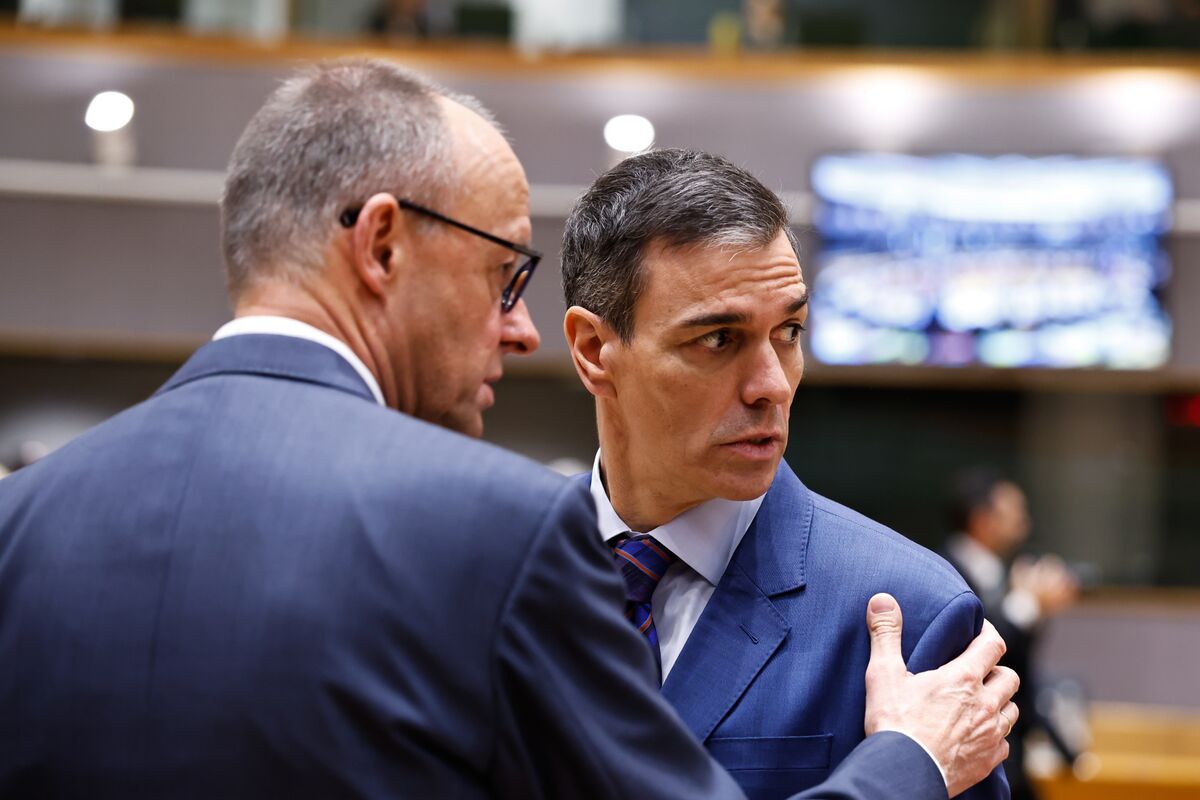
EU leaders signaled they will not acquiesce to US demands to help secure the Strait of Hormuz during the conflict with Iran, and will discuss the situation at a 27-member summit in Brussels. European gas futures surged as much as 35% and Brent crude rose to about $117/bl, underscoring acute supply-risk and prompting a risk-off reaction that could pressure European growth and energy-sensitive assets.
Markets are pricing a materially higher risk premium into seaborne energy flows and insurance, which translates into two mechanically measurable effects: freight and insurance can add a near-term 5–12% uplift to delivered crude/LNG costs from the Middle East to western markets, and a 30–90 day window of tighter physical availability as sellers reallocate cargoes. That combination widens upstream producers’ margins almost immediately while pressuring gas-heavy European industrials and utilities through higher input costs and margin compression; expect differential widening between Brent and regional gas-linked prices to persist for 1–3 months unless physical flows are restored.
Defense and maritime services are second-order beneficiaries: increased US naval or private security activity raises predictable, contractable revenue for ship-security providers and primes defense contractors for near-term incremental orders — look for visibility into multi-month contracts and chartering activity to appear in vendor bookings within 30–90 days. Conversely, European import-dependent chemical and fertilizer producers face earnings-at-risk through summer unless they re-route feedstock or use inventory buffers; a 10–20% rise in feedstock costs would shave 5–15% off EBITDA for a high-gas-intensity producer over a rolling 12-month horizon.
Tail risks skew to episodic dislocations rather than permanent shortages: a full transit disruption would shock markets for months and force structural reallocations of cargoes, but a diplomatic de-escalation or strategic reserve release can snap risk premia back within days–weeks. The market reaction today looks front-loaded into energy and defense while neglecting the knock-on effects on shipping rates, insurance, and European industrial cash flows — that creates concrete asymmetric trade opportunities across sectors over the next 1–12 months.
AI-powered research, real-time alerts, and portfolio analytics for institutional investors.
Request DemoOverall Sentiment
moderately negative
Sentiment Score
-0.60
