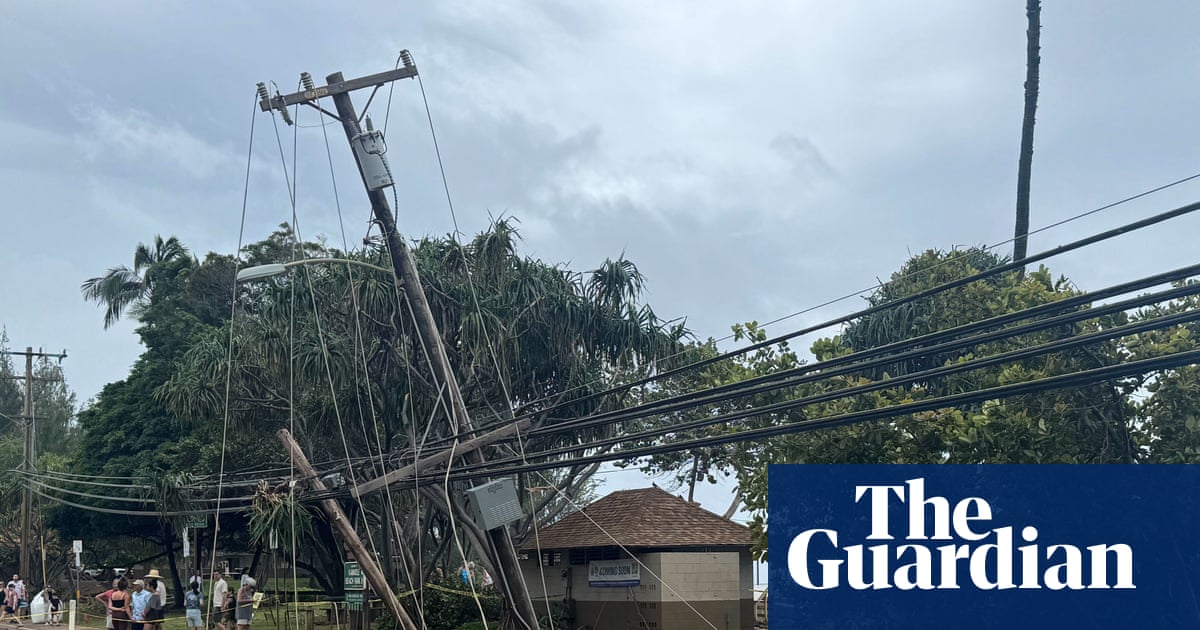
More than 20 in (51 cm) of rain fell in parts of Maui in a 24‑hour period, causing flash floods, landslides, washed-out roads and at least one home to be lost; PowerOutage.us reported >35,000 electric customers without power. Flash flood warnings and watches remain in effect and national guard/fire crews have conducted multiple rescues; up to 20 in of snow reported on the Big Island summits and camera outages on Mauna Kea. Expect localized economic disruption to utilities, insurers, construction/repair and tourism/hospitality in the near term; limited broader market impact unless insurance loss estimates or restoration timelines widen materially.
This event creates a clear two-phase market dynamic: an acute disruption to island-specific logistics, utilities and transport (days–weeks) followed by a longer tail of reconstruction, insurance re‑pricing and public capital spending (months–years). Near-term service interruptions will depress island operators’ revenues and raise short‑term fuel and rental generator demand, but these are high-frequency, transient shocks unlikely to move national macro indicators.
The more important second‑order effects sit in risk transfer and hardening capex. Localized losses will accelerate reinsurance pricing resets in upcoming renewals and strengthen broker fee flow; simultaneously, state and federal disaster aid plus local bond issuance will force a reallocation of public capex toward resilient infrastructure, expanding the investable opportunity set for construction materials, heavy equipment and regulated utilities over the next 6–36 months.
From a supply‑chain angle, constrained local aggregate and road-repair capacity creates pricing power for suppliers that can mobilize barged material quickly — a small but profitable niche for coastal shippers and specialist contractors. Conversely, island carriers, regional tourism plays and small cap logistics names face asymmetric downside until routing and ports stabilize.
Key risks: (1) the event is sufficiently localized that national insurers and materials markets already domestically price marginal impact; (2) rapid federal aid or insurance payouts could blunt reinsurance rate momentum; (3) an unexpectedly cold/wet seasonal pattern would expand losses. Watch the next 2–3 reinsurance renewals and any Hawaii muni issuance calendar as primary catalysts that will validate whether this is a transitory shock or a structural repricing event.
AI-powered research, real-time alerts, and portfolio analytics for institutional investors.
Request DemoOverall Sentiment
strongly negative
Sentiment Score
-0.70
