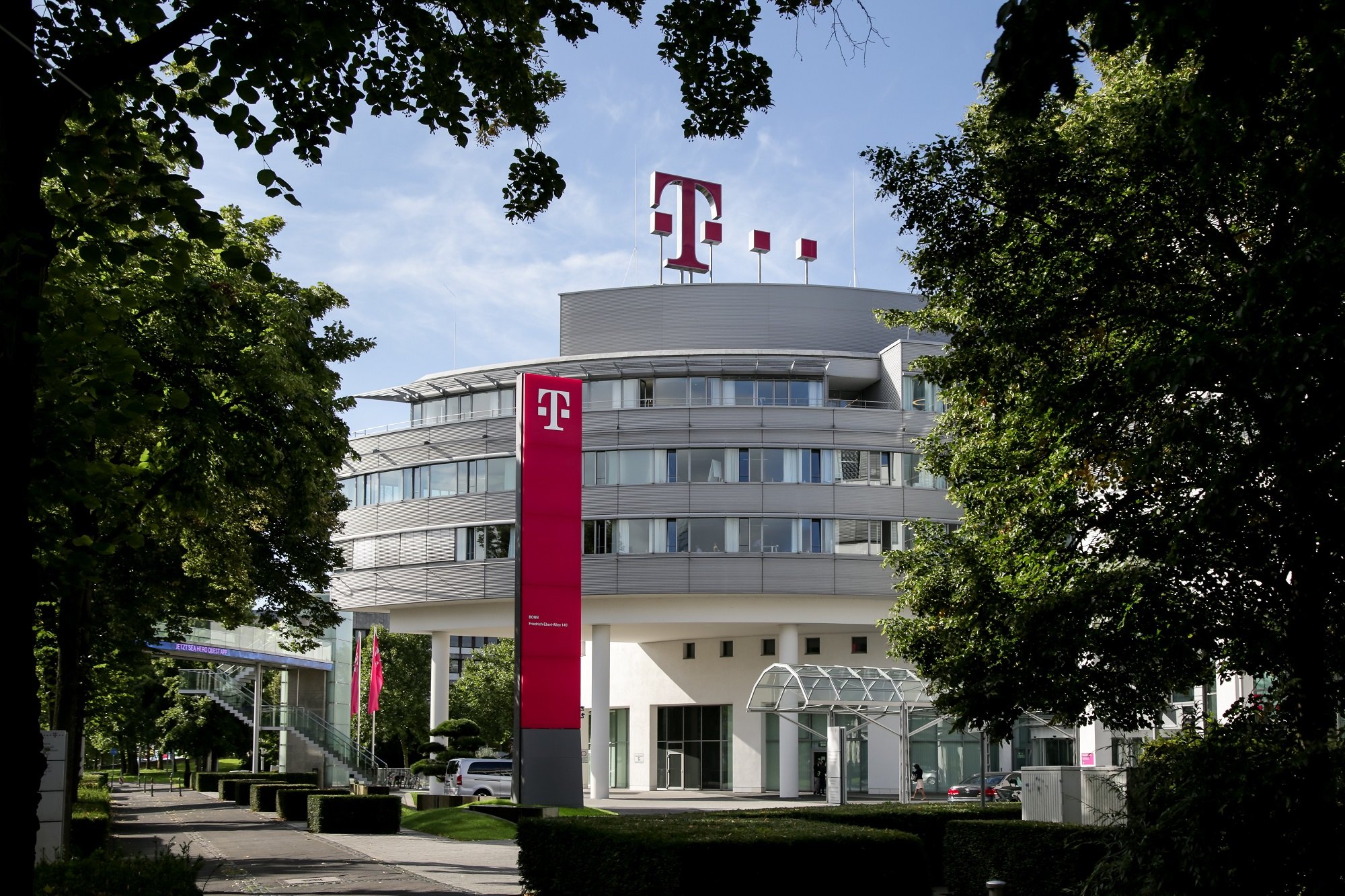
Deutsche Telekom is reportedly exploring a full combination with T-Mobile that could create a new multinational holding company listed in the U.S. and Europe. Bloomberg says the deal would be the largest-ever public M&A transaction, though talks are still early and face significant U.S. and German regulatory hurdles. T-Mobile fell slightly on the report to around $195.30, while DT traded near $33.99.
The market is likely underpricing how much a true full-combination would re-rate the equity story versus the more familiar “minority control” status quo. A holding-company structure with dual listings would force a cleanup of the discount embedded in the parent/asset split, but it also creates a new governance overhang: the entity would need to satisfy two political masters and two regulatory regimes, which usually means a slower integration roadmap and more conservative capital allocation. That combination is good for certainty-seeking holders, but it often caps the near-term upside because the promised synergies are delayed while execution risk stays high.
The second-order effect is that this would not just be a telecom deal; it would be a capital structure and control-transfer event. If DT moves to consolidate T-Mobile fully, the U.S. wireless market likely reads it as a signal that scale, not standalone growth, is the strategic endgame — which can pressure valuation multiples across the sector, especially for high-debt carriers that cannot participate in a similar rerating. The biggest hidden beneficiary may be equipment and infrastructure vendors if a combined entity prioritizes densification, fiber, and mid-band integration over headline customer growth; that shifts spend toward network capex rather than pricing wars.
From a risk perspective, the timeline matters more than the headline. In the next few days, this is mostly a sentiment trade; over 3-6 months, the key catalyst is whether management can articulate a structure that preserves U.S. strategic autonomy while delivering a credible premium to T-Mobile holders. The deal can reverse quickly if regulators demand too many concessions, if Deutsche Telekom investors balk at dilution of control, or if the premium implied by the exchange ratio is not large enough to compensate for execution risk.
The contrarian view is that the market may be too focused on the improbability of a transaction and not enough on the signaling value even if it fails. Early-stage talks can still reset expectations around capital return, board composition, and asset monetization, which could support both names on any credible strategic review. But if the transaction does proceed, I would expect the first move to be in the spread and options market, not the cash equity, because headline volatility will stay elevated until there is clarity on listing venue, control, and regulatory concessions.
AI-powered research, real-time alerts, and portfolio analytics for institutional investors.
Request TrialOverall Sentiment
mildly positive
Sentiment Score
0.35
